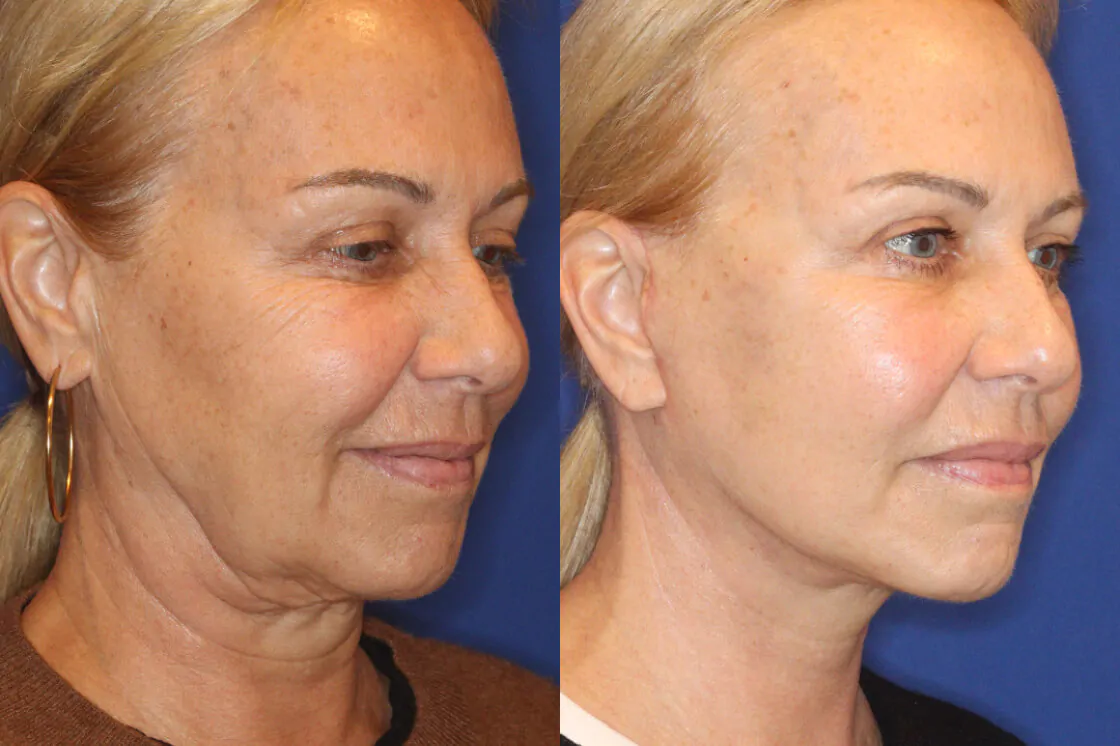


Blepharoplasty
Conveniently located to serve the areas of New York, NY

Blepharoplasty, or eyelid surgery, is a procedure that makes corrections to the appearance or function of a patient’s eyelids. It is one of the most performed plastic surgery procedures in New York and across the nation because of its dramatically rejuvenating results. As eyes are one of the most important features in beauty perception, many patients tie their self-confidence and appearance to the status of their eyes. Blepharoplasty can rejuvenate and revitalize sunken eyes, under-eye bags, drooping eyelids, crow’s feet, and more.
Contents
- 1 Before and After Photos
- 2 Overview & Patients Videos
- 3 About Eyelid Surgery
- 4 Amanda’s Eyelid Lift Journey
- 5 Amanda’s Video
- 6 Benefits of Blepharoplasty
- 7 Sylfirm X: Non-Surgical Eyelid Rejuvenation
- 8 Candidates and Personal Consultation
- 9 Preparation
- 10 Procedure
- 11 Recovery
- 12 Corresponding & Complementary Procedures
- 13 Cost of Eyelid Surgery in NYC
- 14 FAQ
- 15 References
Before and After Photos


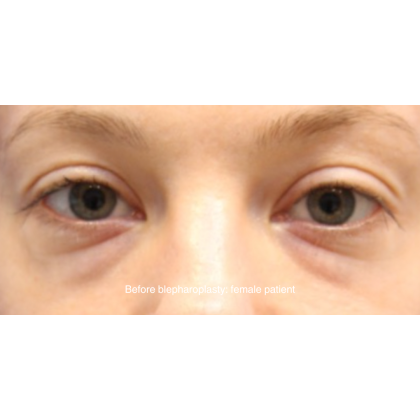
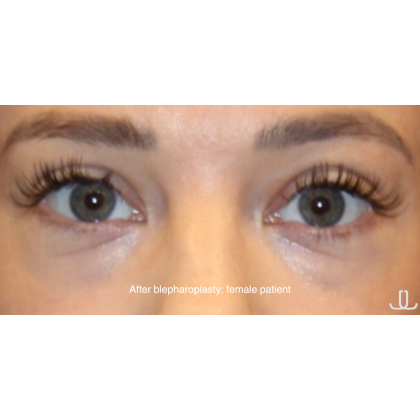
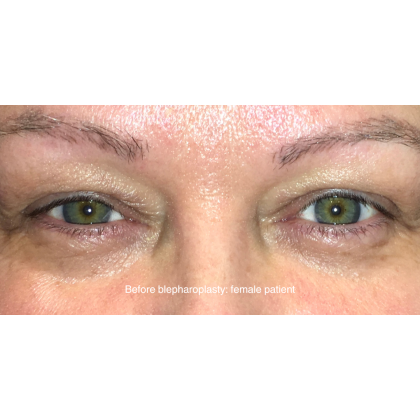
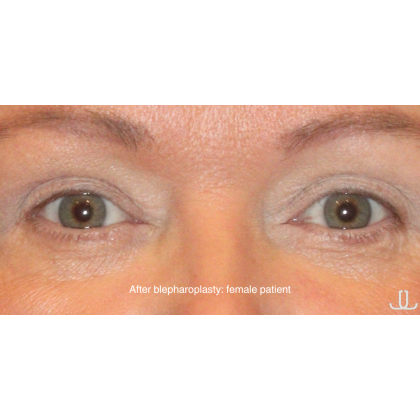
Because the smallest of changes can impact the results, it is highly recommended to complete this procedure under the care of a board-certified facial plastic surgeon. Her expertise is one of the reasons Dr. Jennifer Levine is sought after for this procedure. She is well-known as one of the best surgeons on the East Coast and has gained a reputation for delivering results that look natural and require little recovery time. Dr. Levine has performed countless procedures in her New York City office. In addition to blepharoplasty, her vast experience with eyelid lifts and other facial procedures gives her extensive knowledge to rely on to achieve successful outcomes.
Schedule a consultation with Dr. Levine today or call the New York City office at (212) 517-9400 for more information.
Contact UsOverview & Patients Videos
Overview
Patients
About Eyelid Surgery
The thin skin of the eye area is prone to some of the first signs of aging. Over time, eyelid elasticity diminishes, appearing as excess skin in the upper eyelid, causing droopiness and a tired appearance. (1) The area below the eye may appear swollen or have bags, and the skin may become loose and wrinkled. One of the most frequent concerns patients have that lead them to blepharoplasty is their eyes making them appear more tired than they feel. This can occur due to the aging process, lifestyle habits, or genetics. With the spike in rapid weight loss from GLP-1 medications like semaglutide (Ozempic, Wegovy, Rybelsus) and tirzepatide (Mounjaro, Zepbound), many patients are also experiencing sunken, tired eyes from the new effects of “Ozempic face.”
Blepharoplasty can help improve the following:
- Eyes that look tired
- Droopy eyes
- Puffy or baggy eyes
- Dark eye circles
- Crow’s feet
- Eyelids that lack an upper crease
During the eyelid lift procedure, Dr. Levine removes redundant skin and fat, as well as repositions and tightens any underlying muscles that contribute to eyelid laxity. In essence, blepharoplasty restores a youthful contour to the delicate eyelid area, allowing for rejuvenation and improved functionality.
Amanda’s Eyelid Lift Journey
Amanda, a recent patient, came to Dr. Levine before her 30th birthday to look her best and prolong her youthful glow as she entered a new decade. During her consultation with Dr. Levine, they collaborated on a custom treatment plan to address her concerns, which included an upper eyelid lift to remove excess skin, Ultherapy PRIME skin treatments to lift the brow and contour the jawline, and a neuromodulator regimen (Botox injections in this case) to reduce the appearance and presence of fine lines.
Amanda’s Video
Benefits of Blepharoplasty
Blepharoplasty offers not just rejuvenation to the face and eyes but can help reconstruct these areas following injury or trauma, too. Some patients have even reported improved vision. (2)
Whatever your reason for blepharoplasty is, you can experience:
- A More Youthful Appearance: By removing sagging skin, this procedure notably rejuvenates the overall appearance of the face.
- Increased Self-Esteem: Many individuals report boosts in confidence after trimming excess eyelid tissue and addressing puffiness.
- Improved Functionality: Successful eyelid surgeries lead to better eye function, particularly in patients who struggle due to drooping eyelids.
- Long-Lasting Results: Though aging continues, effects from blepharoplasty can last many years, keeping one looking refreshed.
- Minimal Scarring: Incisions are placed strategically to be nearly invisible, lying within the natural eyelid folds.
Sylfirm X: Non-Surgical Eyelid Rejuvenation
Eyelid surgery involves discreet incisions hidden in the upper or lower lids, but there are non-surgical options. Patients who are starting to notice signs of aging around the eyes may be ideal candidates for Sylfirm X RF microneedling treatment, which specifically tightens the delicate skin of eyelids, and reduces fine lines, wrinkles, and sagging skin in the immediate area with minimal recovery time. Dr. Levine is one of the few doctors in New York City to offer this cutting-edge microneedling system to her patients.
Sylfirm X offers:
- Quick Treatment: Each session takes only about 10 minutes, and a full treatment typically involves 3 to 4 sessions.
- Effective Results: Sylfirm X is designed to tighten the skin around the eyes, including the eyelids, and improve skin laxity. It also provides a lifting effect to the brows, enhancing the overall appearance of the upper face.
- Precision and Safety: Sylfirm X uses non-insulated, gold-plated needles that allow the delivery of energy throughout the layers of tissue with minimal downtime in a way that is safe for all skin types.
- No Downtime: Unlike surgical options, Sylfirm X sessions take approximately 10 minutes each, with 3-4 sessions for a full treatment. It requires no downtime, making it a convenient treatment option.
Candidates and Personal Consultation
Blepharoplasty procedures are more commonly performed on patients with significant eyelid droop, but Dr. Levine offers a vast array of eye rejuvenation procedures that can treat bags, sunken eyes, puffiness, crow’s feet, and much more. If the appearance of your eyes is something you want to improve, then you will more than likely find a treatment here. We recommend that you schedule a consultation with Dr. Levine so she can evaluate your condition, listen to your goals, and develop a personalized treatment plan.
Preparation
Once you have scheduled your blepharoplasty, we will provide detailed preoperative instructions. Adhering closely to these guidelines is paramount for exceptional results:
- Cease intake of blood thinners and certain supplements based on professional advice.
- Stop smoking several weeks ahead of the procedure and during the recovery phase.
- Arrange transportation home post-surgery, especially if sedation or general anesthesia is utilized.
- Set aside adequate recovery time from work and social commitments to ensure proper recuperation.
Procedure
Double board-certified facial plastic surgeon Dr. Jennifer Levine focuses on achieving natural-looking results that match the patient’s original appearance and produce confidence-boosting results. Depending on the patient’s aesthetic goals and facial structure, Dr. Levine will perform an upper, lower, or combined blepharoplasty. She is skilled at removing excess skin to correct drooping eyelids and removing the eyelid fat pads that cause puffiness. All procedures performed by Dr. Levine are done in her New York City private surgical suite, which provides patients with maximum comfort and privacy. Blepharoplasty procedures can be completed under general or local anesthesia, which can add an extra layer of comfort and quicken the healing process. (3)
Eyelid lifts can either be done alone or together with face and neck lifts or eyebrow and forehead lifts. If done alone, the procedure takes about one and a half hours for all four eyelids.
The upper eyelid skin is removed through fine incisions placed in the upper eyelid creases.
The fat is trimmed through the same incision. A fine suture is used to close the skin and is removed four days later. The lower eyelid fat is removed through an incision on the inside of the eyelid, so there is no visible scar. This incision is safest as it leaves the supporting muscles of the eyelid undisturbed. If there is extra skin on the lower eyelid, it is removed through a fine incision in a wrinkle just beneath the eyelashes.
Recovery
Recovery from upper and lower eyelid surgery is complete within seven to ten days. A small amount of lumpiness is usual at the corners of the eyes. Some patients experience mildly blurred vision, but this resolves rapidly. Makeup can normally be worn within five days, but it should be avoided as long as possible to ensure proper healing. Normal activity and exercise can resume three weeks after surgery. We recommend using ice packs to reduce the swelling for at least three days after the procedure. (3)
Corresponding & Complementary Procedures
A Botox brow lift is a non-surgical cosmetic procedure that uses Botox injections to elevate and shape the eyebrows. This method reduces the appearance of forehead lines and crow’s feet, contributing to a younger, more refreshed facial aesthetic. The eyebrows play a crucial role in our expressions and overall appearance; therefore, many individuals seek this treatment in addition to blepharoplasty to achieve a more youthful and vibrant look.
Cost of Eyelid Surgery in NYC
Blepharoplasty and other rejuvenating procedures can vary in price depending on what the patient wishes to achieve. Larger goals that require more significant treatments will cost more than simpler corrections. The best way to receive an estimate of your procedure’s cost is to schedule a consultation with Dr. Levine and discuss your objectives.
FAQ
Lower Blepharoplasty vs. Upper Blepharoplasty — which do I need?
Blepharoplasty is one of the procedures where a minor change can produce significant results. When you come in for your consultation, we will discuss your aesthetic goals and discuss options on how to achieve them. Dr. Levine will then put together a plan and indicate whether both, upper, or lower blepharoplasty are necessary. With us, you’re in great hands. Dr. Levine is often recommended for upper and lower blepharoplasty in NYC by patients and colleagues alike.
Should I consider blepharoplasty?
If there are features on or around your eyes that you would like to correct, then you should consider blepharoplasty.
What happens during the first consultation?
During the initial consultation with Dr. Levine, she will assess all of your facial features and review your relevant health history. It is important to take a look at how the desired changes will affect the harmony of your face. If any additional procedures would be helpful for your specific case, this is when Dr. Levine would recommend them to you. After your consultation, we schedule your appointment for your blepharoplasty.
Are there any ways to enhance the effects of the procedure?
Yes, there are a few ways in which you can enhance the effects. For example, the use of non-surgical treatments such as botox or cosmetic filler to restore a more youthful contour to the face is often opted for by patients. Sometimes patients undergo brow surgery, or a mid-face surgery to achieve optimal results at the time of their eyelid procedure. If you have any questions or concerns about other procedures aside from your blepharoplasty, do not hesitate to ask Dr. Levine during your consultation.
References
- Salvi SM, Akhtar S, Currie Z. Ageing changes in the eye. Postgraduate Medical Journal. 2006;82(971):581-587. doi:https://doi.org/10.1136/pgmj.2005.040857
- Rebowe RE, Runyan C. Blepharoplasty. PubMed. Published 2022. https://www.ncbi.nlm.nih.gov/books/NBK482381/
- Naik M, Honavar S, Das S, Desai S, Dhepe N. Blepharoplasty: An overview. Journal of Cutaneous and Aesthetic Surgery. 2009;2(1):6. doi:https://doi.org/10.4103/0974-2077.53092