
Fat Transfer
Conveniently located to serve the areas of New York, NY

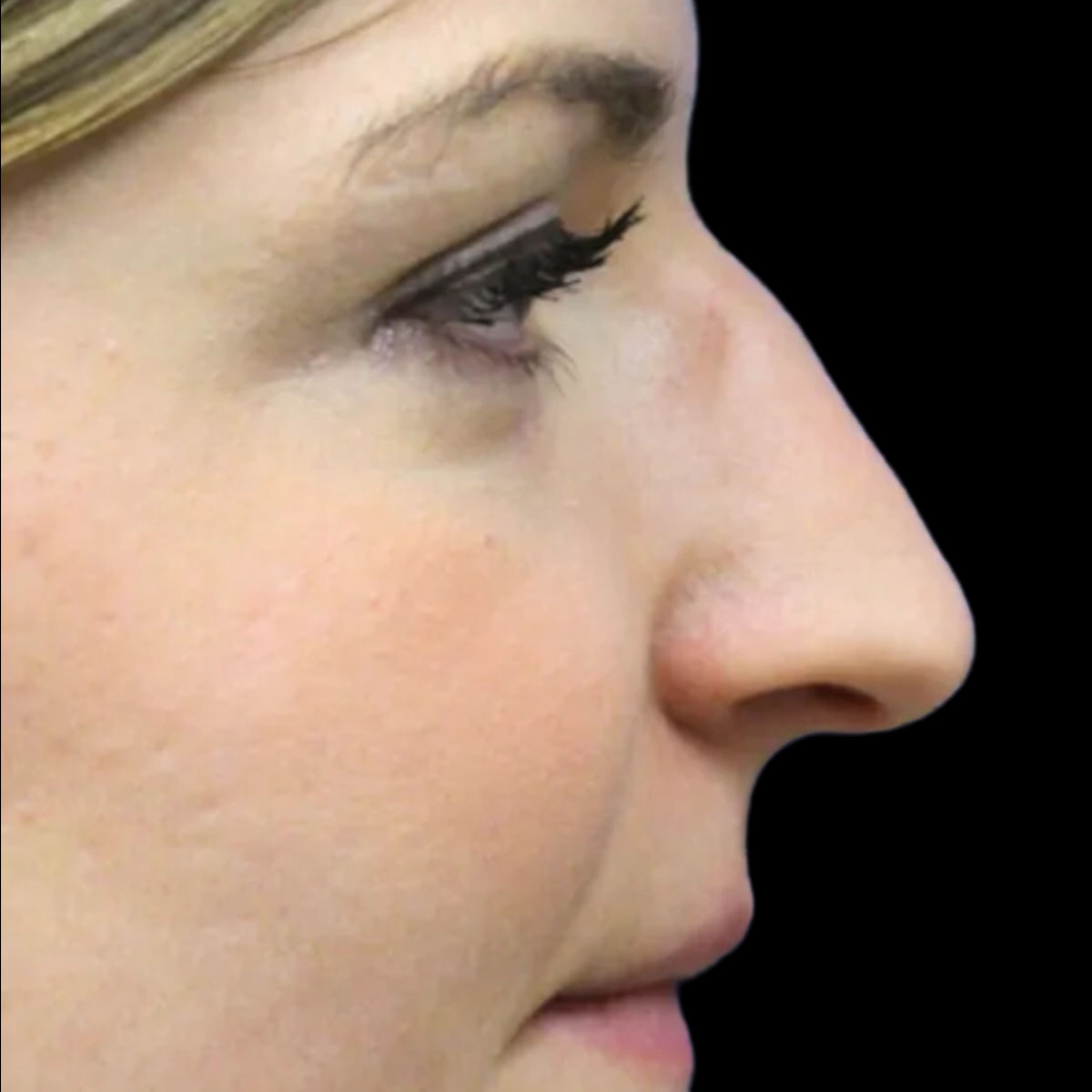
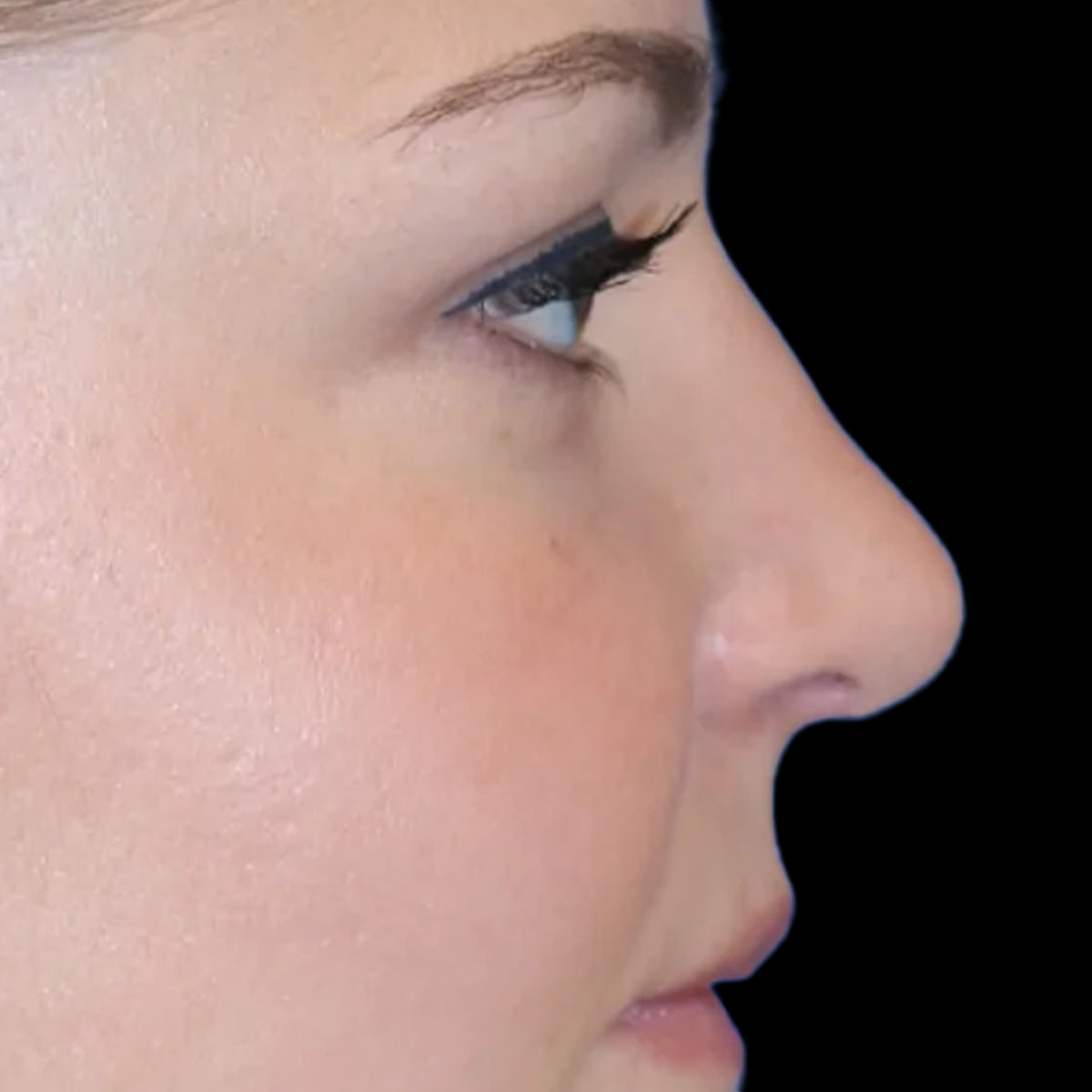
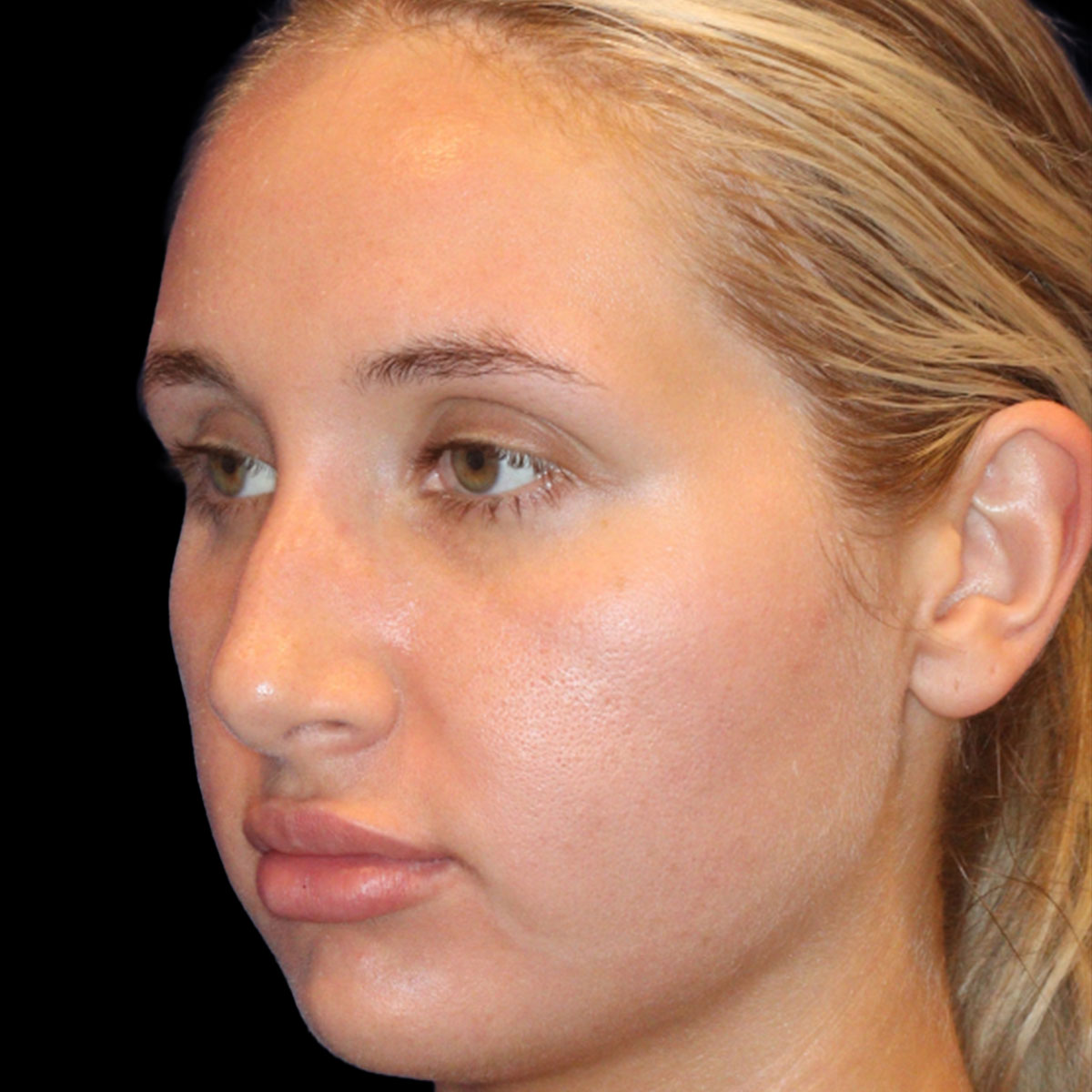
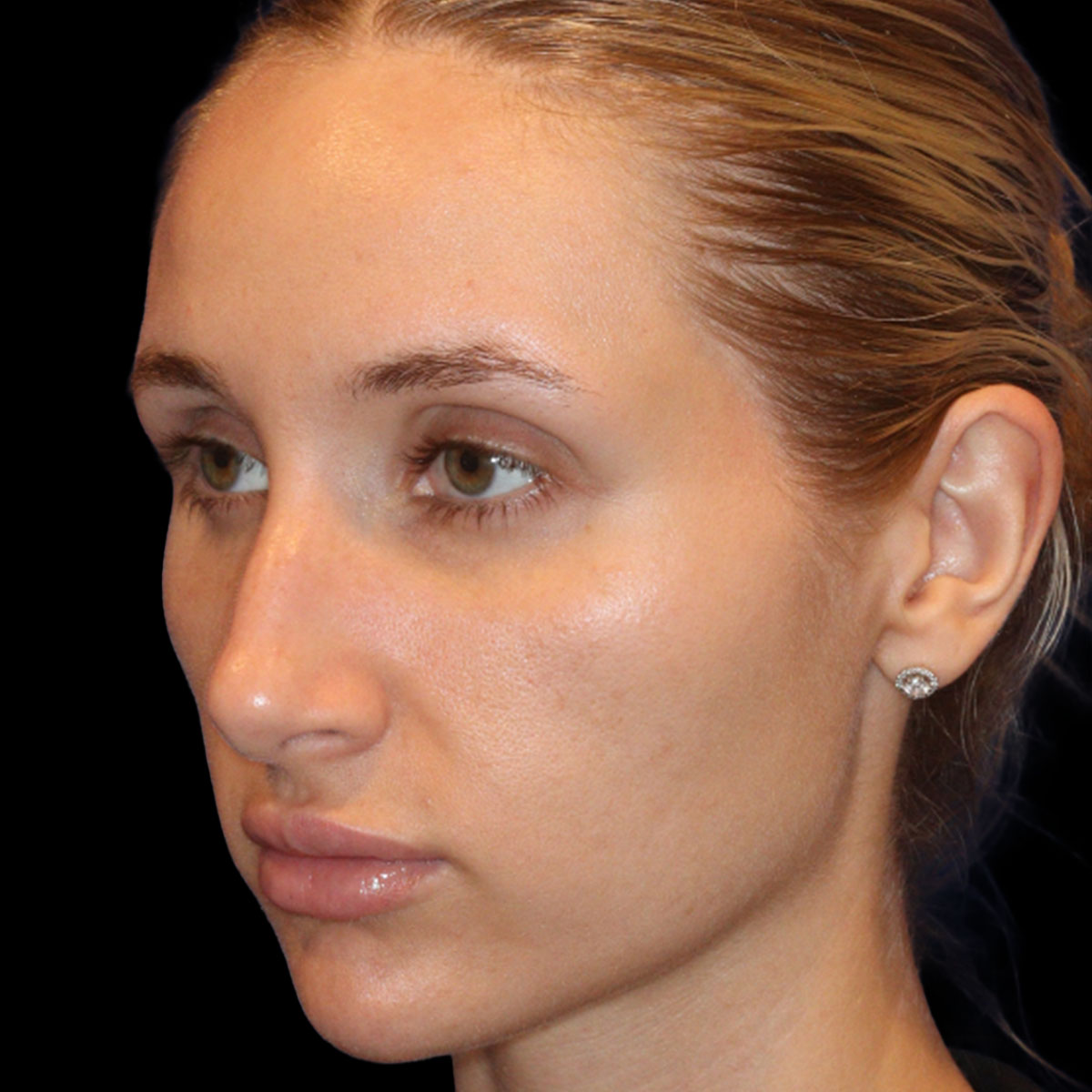
Facial fat transfer (autologous fat grafting) is a procedure that uses your body’s own fat to restore facial volume and enhance contours. By transferring fat from areas like the abdomen or thighs to facial features that have lost volume, this technique offers an effective approach for rejuvenation. At her private practice on Manhattan’s Upper East Side, Dr. Jennifer Levine performs facial fat transfers for patients seeking natural-looking facial restoration.
As one of New York’s top facial surgeons, Dr. Levine is one of a select few who are double board-certified by the American Board of Facial Plastic and Reconstructive Surgery and the American Board of Otolaryngology. She is also an expert ENT, and hers was recently named as the best nonsurgical rhinoplasty in NYC by Modern Luxury Manhattan. Her deep expertise and unique knowledge in facial anatomy have earned her a reputation for excellence, not only in New York, but across the country and beyond.
To learn more about facial fat transfers, call (212) 517-9400 or contact us online to schedule a consultation with Dr. Levine.
Contents
- 1 About Facial Fat Transfers
- 2 Benefits
- 3 Candidates
- 4 Personal Consultation
- 5 Preparation
- 6 Procedure
- 7 Recovery and Results
- 8 Corresponding Procedures
- 9 Cost of Facial Fat Transfer in New York City
- 10 FAQ
- 10.1 How long do facial fat transfer results last?
- 10.2 What are the potential risks of a facial fat transfer?
- 10.3 Can fat transfers be used for hand rejuvenation?
- 10.4 How do fat transfers compare to dermal fillers?
- 10.5 Are facial fat transfers painful?
- 10.6 Can facial fat transfers be performed alongside other procedures?
- 11 References
- 12 Schedule Your Consultation
About Facial Fat Transfers
Healthy facial fat plays a key role in maintaining a full, youthful, radiant complexion. As we age or experience rapid weight loss, such as with “Ozempic face,” the underlying fat pads that support the skin begin to shrink, sink, and deflate. When that internal support diminishes, it can lead to facial deflation, hollowed features, sagging skin, and more prominent lines and wrinkles, resulting in an aged or gaunt appearance. Facial fat transfers can resolve this concern by harvesting fat cells from another area of your body, purifying them, and injecting them back into your face. This process rebuilds lost structural foundation using your own living tissue to deliver a long-lasting, fuller, and refreshed, glowing appearance. (1)
How Facial Fat Transfers Work
Facial fat transfers, or autologous fat grafting, involves harvesting fat from areas of the body, such as the abdomen, flanks, or thighs, using a gentle, small-volume liposuction technique. Once collected, the fat is processed and purified to isolate viable fat cells from fluids and debris. These purified cells are then strategically injected into targeted areas of the face, such as hollow cheeks, sunken temples, or deep nasolabial folds, delivering natural and long-lasting volume restoration using the patient’s own tissue. (1)
Facial Fat Transfers vs. Facelifts
Aging causes natural structural changes such as volume loss and tissue laxity. Facelifts and facial fat transfers both restore a youthful appearance, but they address different components of facial aging. A facial fat transfer primarily addresses lost or depleted facial volume by utilizing fat from the patient’s own body. In contrast, a facelift surgically repositions descended facial tissue to address jowling and loose skin on the lower face and neck. Neither procedure replaces the other, but when patients have both sagging tissue and volume loss, combining treatments can enhance results. (2)
Benefits
Facial fat transfers bring several benefits. Notable advantages include:
- Natural Enhancement: Using your own fat reduces the risk of allergic or immune system reactions, and it will integrate seamlessly with existing tissue.
- Potential for Long-Lasting Results: Once the transferred fat establishes a blood supply, the effects can be long-lasting, reducing the need for repeat treatments.
- Improved Skin Quality: Stem cells in the transferred fat can improve skin texture, tone, and elasticity.
- Dual Benefits: Because the procedure features liposuction, patients are able to decrease frustrating fat in one area while enhancing another.
Candidates
Individuals experiencing facial volume loss due to aging, weight changes, or genetics may benefit from facial fat transfer. Ideal candidates are in good overall health, have sufficient donor fat, and prefer a natural alternative to synthetic fillers. A consultation with Dr. Jennifer Levine will determine if this procedure aligns with your goals. (1)
Personal Consultation
During your initial consultation with Dr. Levine, you will review your medical history and current lifestyle habits, current medications, and past procedures. She will perform a comprehensive physical examination to evaluate your facial structure, skin elasticity, areas of volume loss, and potential donor sites. As a surgeon double-board certified in facial plastic surgery and ENT, she has a wealth of knowledge to guide her through this process. By closely analyzing facial structures, she will be able to better address your concerns. Together, you will discuss your specific aesthetic goals, set realistic expectations, address potential risks, and review cost details. Based on this comprehensive assessment, Dr. Levine will create an individualized treatment plan and walk you through every aspect of the procedure, including preoperative preparations, surgical details, recovery timelines, and postoperative care.
To learn more about your facial fat transfer options or to schedule a consultation with Dr. Levine, call (212) 517-9400 or contact us online.
Preparation
After your consultation, Dr. Levine will provide personalized preoperative instructions tailored to your specific health profile and treatment plan. Following these instructions is essential to maximize safety and achieve optimal results. When medically appropriate, Dr. Levine may advise you to stop taking blood-thinning medications at least two weeks before surgery. Additionally, patients must avoid alcohol and nicotine for at least two weeks before their procedure date. You must also arrange for a trusted adult to drive you home after the procedure and stay with you to assist you during the first 24 hours of recovery.
Procedure
To preserve fat cell integrity, Dr. Levine meticulously extracts a small amount of fat from the donor site using a gentle liposuction technique with a thin tube called a cannula. She then processes the harvested fat to isolate pure, intact fat cells from blood and other unwanted cellular debris, preparing the highest-quality tissue for reinjection.
Dr. Levine then injects small amounts of the purified fat into different predetermined areas of the face, such as the cheeks, temples, or under the eyes. This allows her to carefully build volume and contour in the treated areas rather than injecting one large deposit. (1)
Recovery and Results
After the procedure, patients may experience mild swelling and bruising in both the donor and treatment areas, which typically subside within one to two weeks. Following post-operative care instructions, such as keeping your head elevated and avoiding strenuous activity, is essential for a smooth recovery.
It is essential to recognize that not all transferred fat cells will survive. Clinical studies indicate that approximately 30% to 70% of the injected fat remains long-term. Final results emerge over several months as the grafted fat integrates with existing tissues. In certain instances, additional sessions may be advisable to achieve the desired volume. Maintaining a stable weight and a healthy lifestyle significantly contributes to the longevity of the outcomes. (3)
Corresponding Procedures
- Facelifts: A facelift addresses structural sagging by tightening loose skin and lifting underlying tissues, but unlike a facial fat transfer, a facelift cannot address a loss of fullness. By incorporating a facial fat transfer, you can address both concerns at once and enhance overall rejuvenation by restoring volume and improving skin texture. (2)
- Blepharoplasty (Eyelid Surgery): Blepharoplasty addresses lax eyelids and eye bags by repositioning or removing excess skin and repositioning fat pads. With the inclusion of a facial fat transfer, Dr. Levine can fill hollow areas like the tear troughs, temples, and midface. Performing these procedures together provides a comprehensive, three-dimensional rejuvenation with a single recovery period. Together, they refine the lower lid-to-cheek transition to restore a natural, open, refreshed eye appearance.
- Facial Balancing: Facial fat grafting is often combined with additional procedures, including rhinoplasty, buccal fat removal, chin augmentation, and submental liposuction, to address multiple concerns about facial contour and proportion in a single treatment plan and recovery period.
Cost of Facial Fat Transfer in New York City
The price of a facial fat transfer depends on several factors; the final cost will be affected by the techniques employed, the time required to perform the procedure, the amount of fat transferred, the anesthesia used, and other factors. During your consultation, Dr. Levine will provide a cost estimate.
To explore how facial fat transfers and other facial rejuvenation treatments can enhance your appearance, call (212) 517-9400 or contact us online to schedule a consultation with Dr. Levine.
FAQ
How long do facial fat transfer results last?
Because the surviving fat cells integrate into the surrounding tissue, up to 70% of transferred fat can survive long-term, providing lasting results.
What are the potential risks of a facial fat transfer?
While generally safe, potential risks include infection, uneven results, or fat resorption, though the latter is more of a common effect than a medical risk. Choosing an experienced surgeon like Dr. Levine minimizes these risks.
Can fat transfers be used for hand rejuvenation?
Yes, fat transfers can also be used for hand rejuvenation, restoring lost volume and reducing signs of aging such as prominent veins and tendons.
How do fat transfers compare to dermal fillers?
Facial fat transfers use your own tissue for a natural and potentially permanent solution, whereas dermal fillers are synthetic and temporary, requiring periodic maintenance.
Are facial fat transfers painful?
Discomfort is typically minimal and managed with local anesthesia during the procedure and prescribed pain medication afterward.
Can facial fat transfers be performed alongside other procedures?
Yes, facial fat transfers are often combined with other surgical or non-surgical facial rejuvenation procedures for comprehensive results.
References
- Vasavada A, Raggio BS. Autologous Fat Grafting for Facial Rejuvenation. PubMed. 2021. Accessed August 27, 2026. https://www.ncbi.nlm.nih.gov/books/NBK557860/
- Kugler T. American Academy of Facial Plastic and Reconstructive Surgery. American Academy of Facial Plastic and Reconstructive Surgery. 2019. Accessed August 27, 2026. https://www.aafprs.org/A/FR5.aspx
- Lv Q, Li X, Qi Y, Gu Y, Liu Z, Ma GE. Volume Retention after Facial Fat Grafting and Relevant Factors: A Systematic Review and Meta-analysis. Aesthetic Plast Surg. 2021;45(2):506-520. doi:10.1007/s00266-020-01612-6
Schedule Your Consultation
To explore how facial fat transfer can enhance your appearance, schedule a consultation here or contact our office at (212) 517-9400 to schedule a personalized consultation with Dr. Jennifer Levine.
Contact Us