


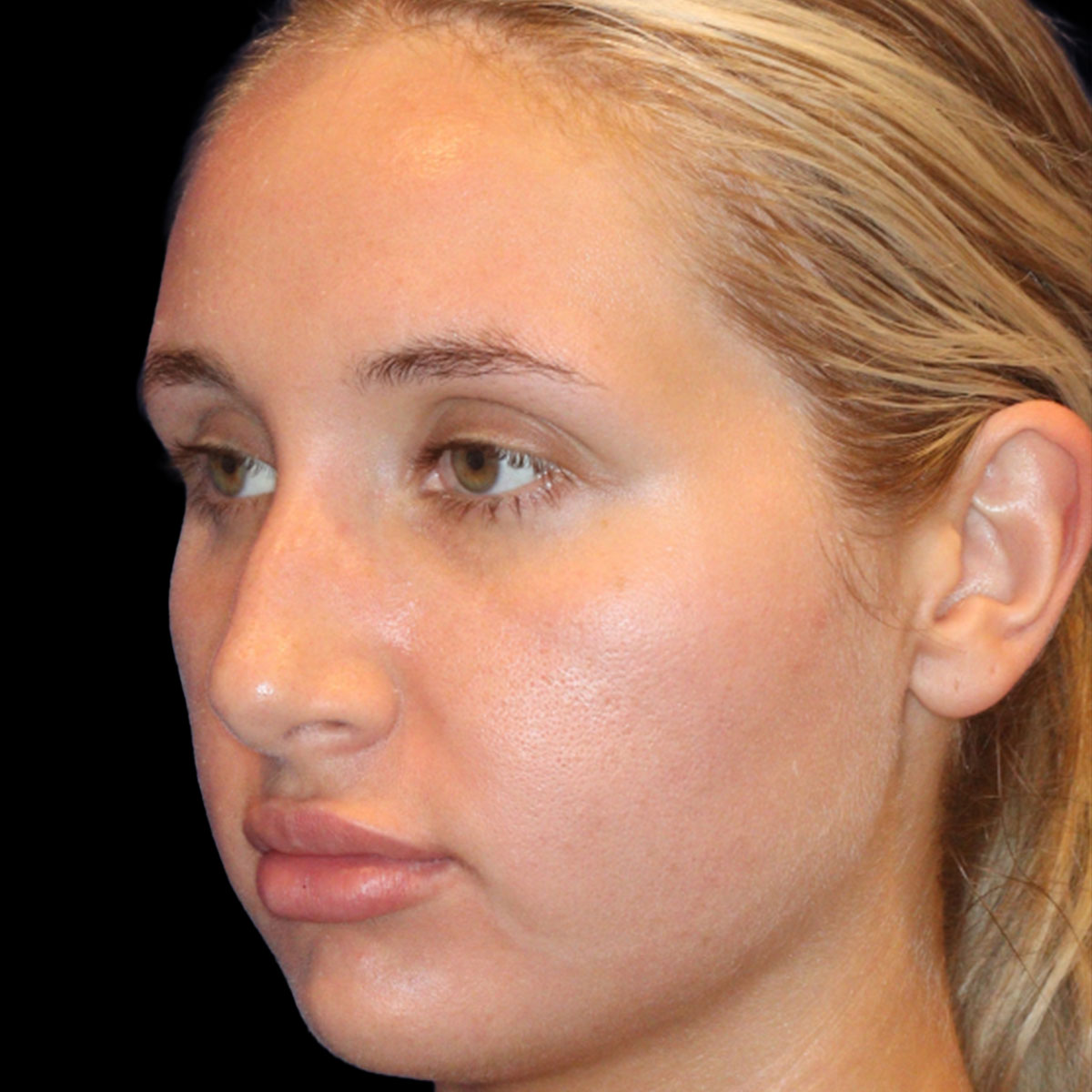
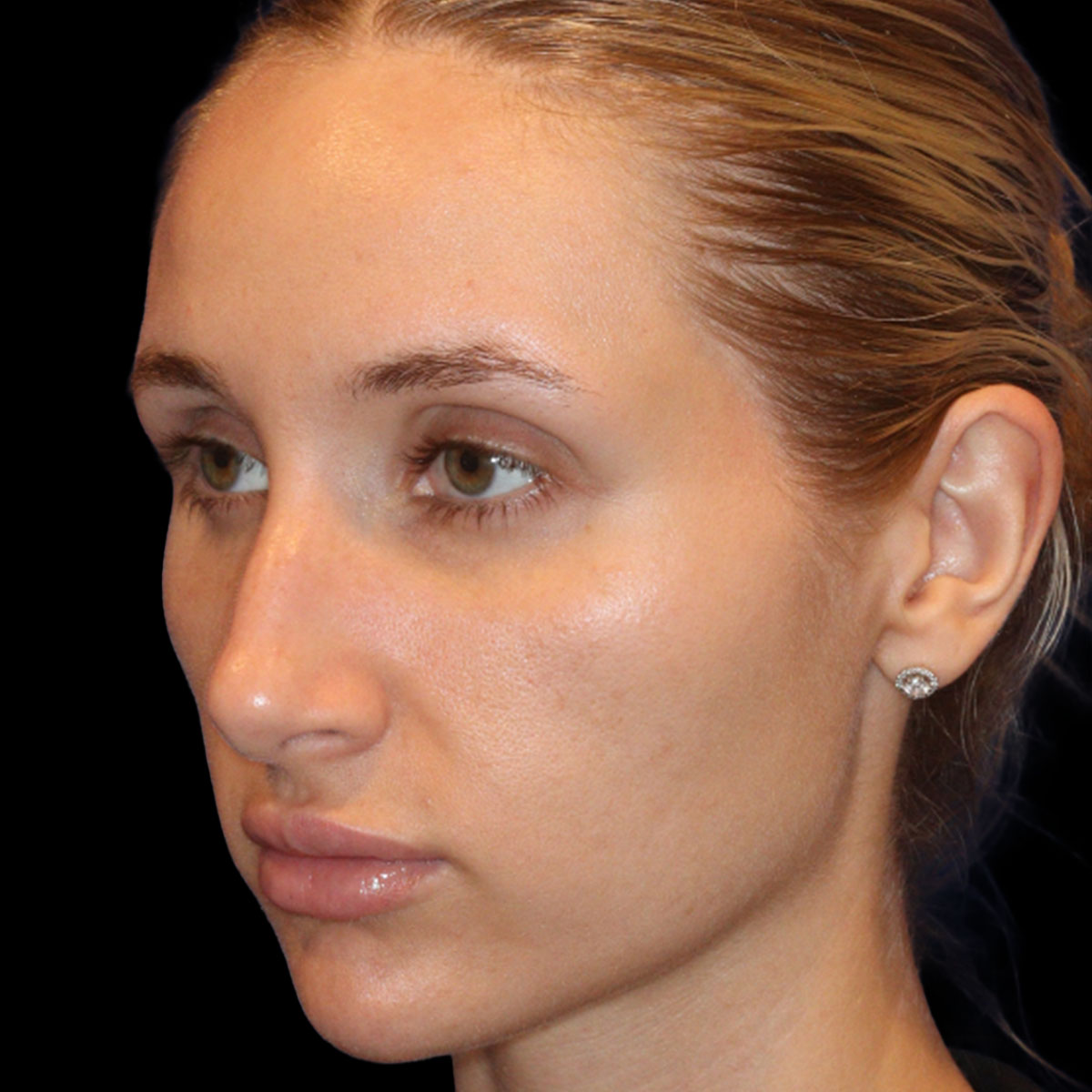
Asian Rhinoplasty
Conveniently located to serve the areas of New York, NY

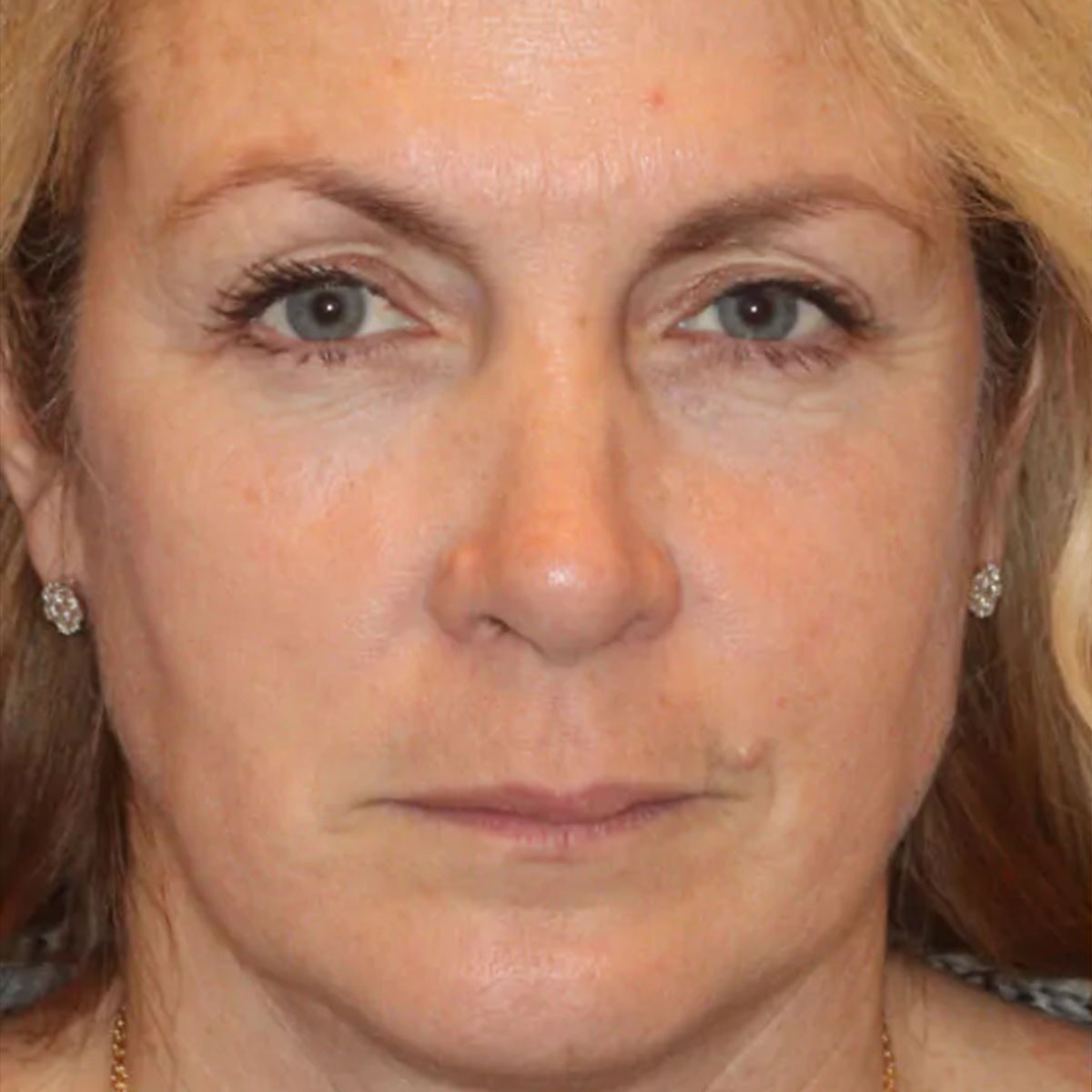
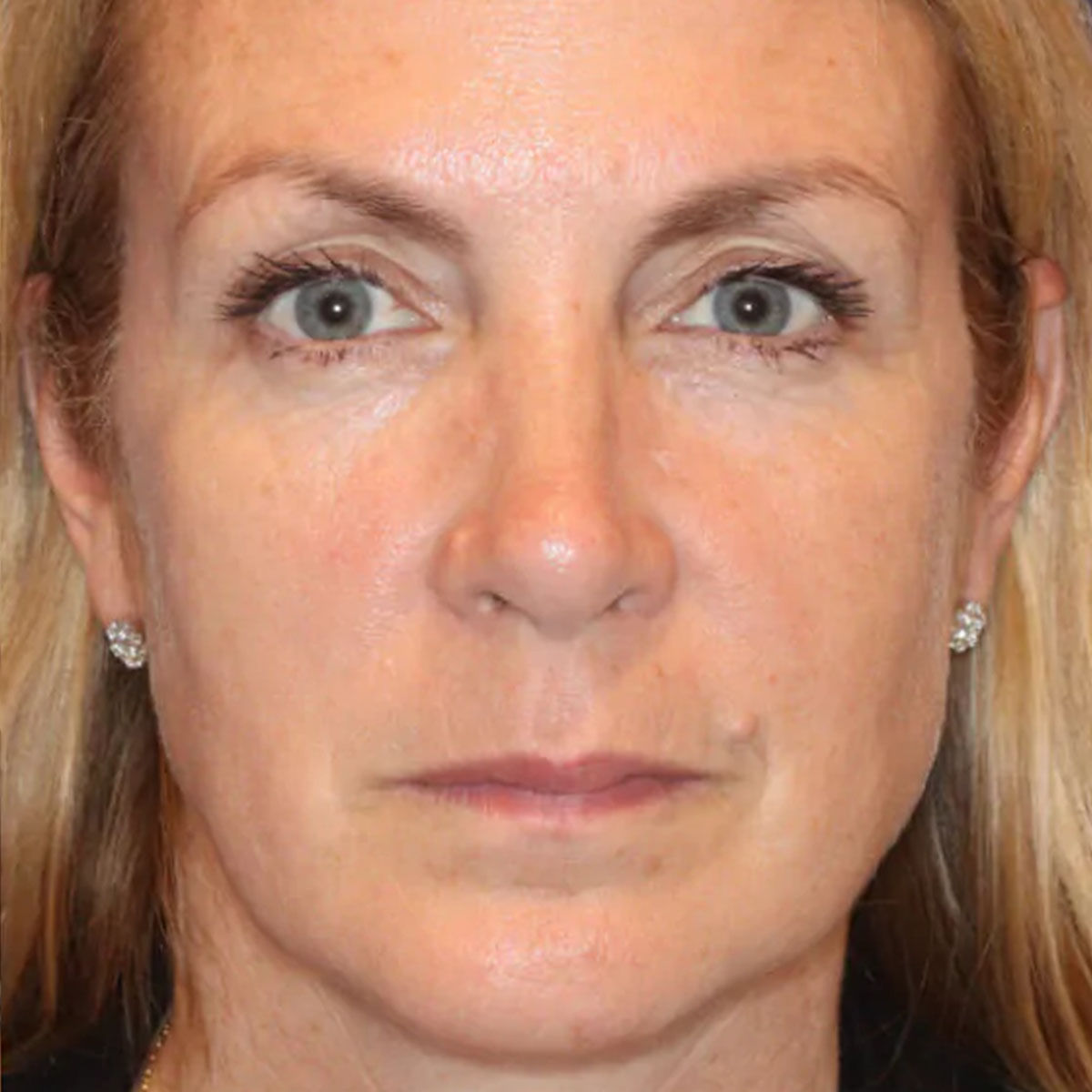
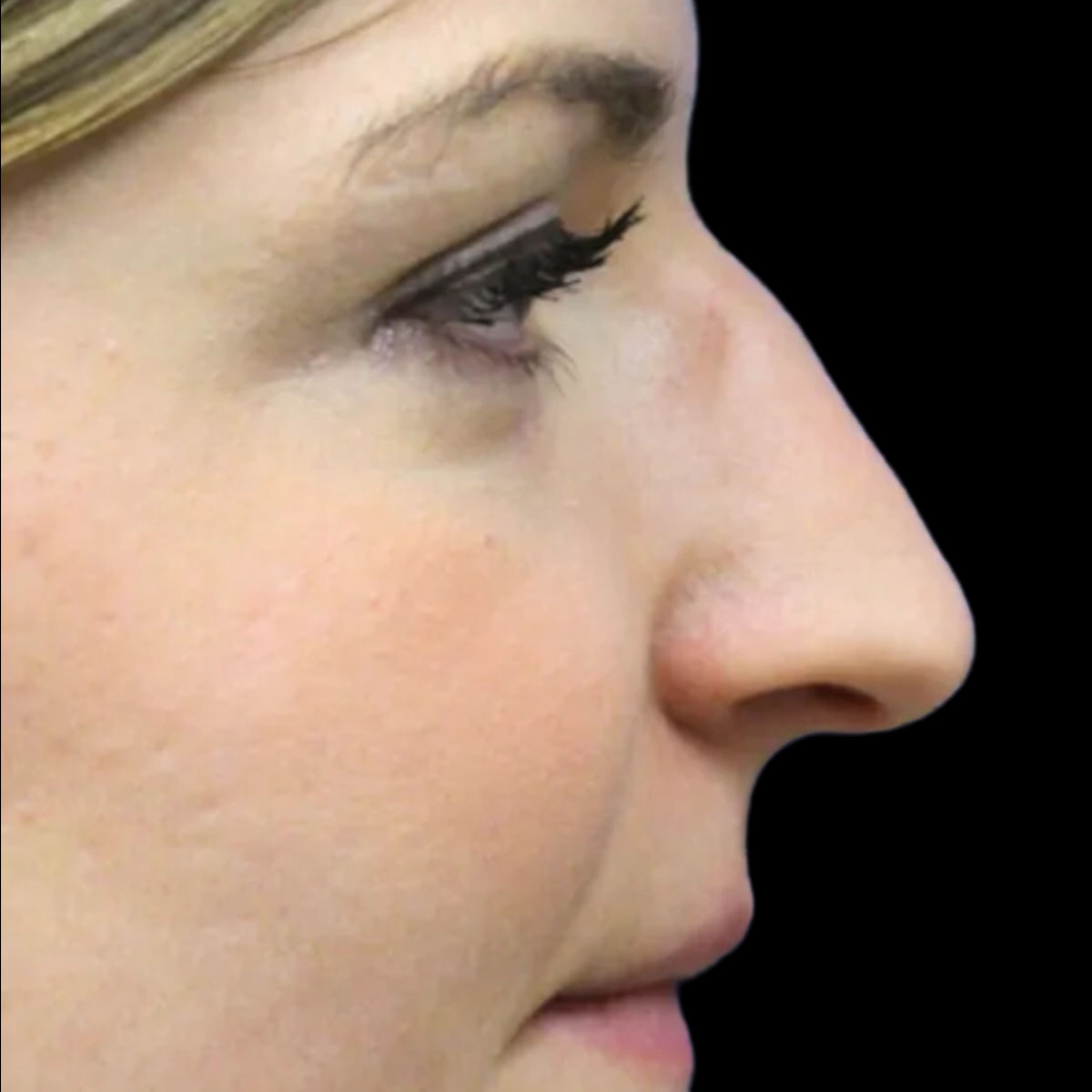
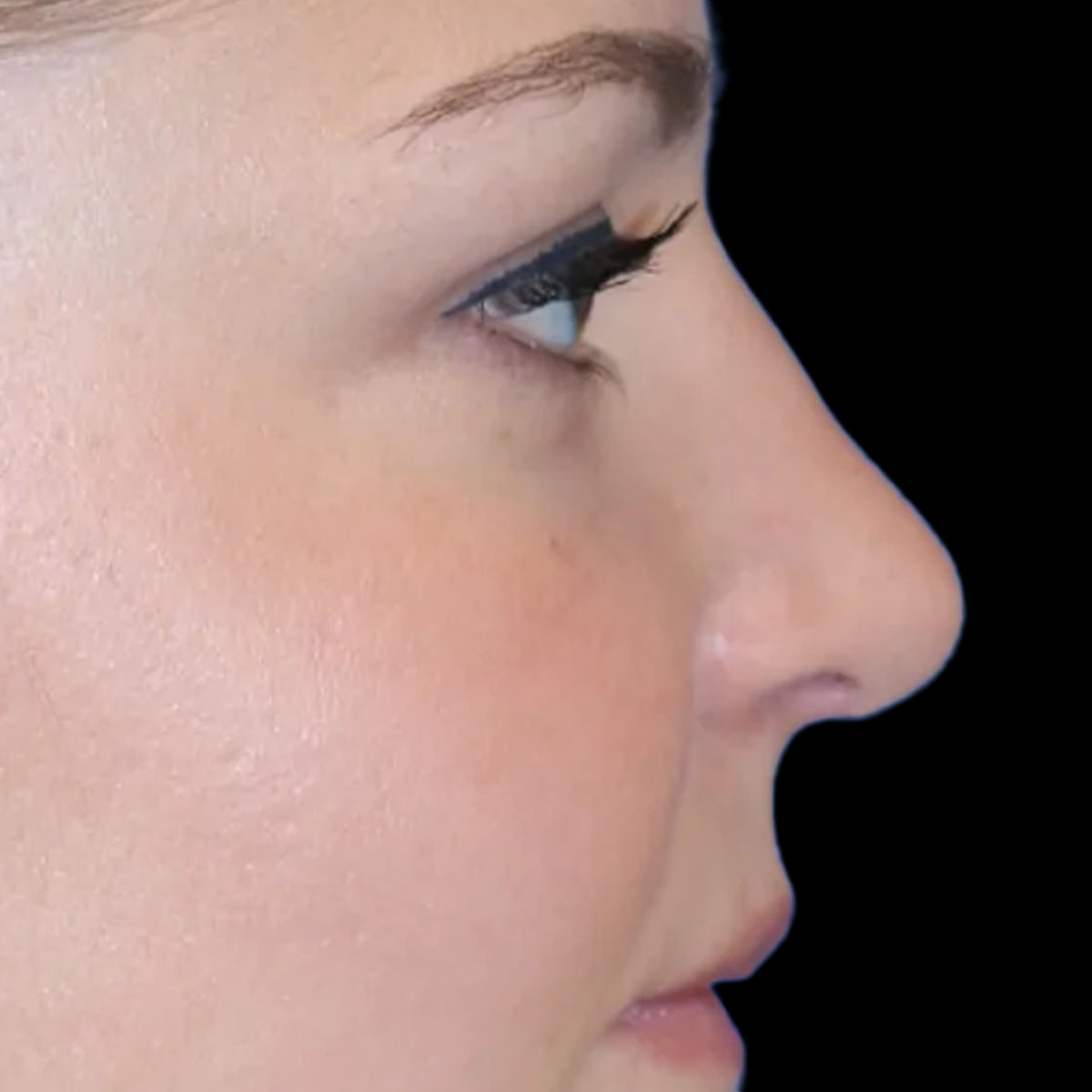
A rhinoplasty, colloquially known as a “nose job,” is a treatment that improves the appearance and/or functionality of the nose. This procedure reshapes the nose with adjustments to the network of bone, cartilage, and skin. A specialized Asian rhinoplasty considers the unique structural features and aesthetic goals common among individuals of Asian descent, focusing on enhancing nasal definition, bridge height, and overall facial harmony while preserving ethnic identity. (1)
Dr. Jennifer Levine is well-known for her transformative treatments; she is double-board certified by the American Board of Facial Plastic and Reconstructive Surgery and the American Board of Otolaryngology (head and neck surgery) and has extensive experience performing rhinoplasty for patients from different backgrounds. Her deep understanding of ethnic nasal anatomy and aesthetic preferences allows her to deliver natural-looking results that respect and enhance each patient’s unique features.
Contact our New York office online or call (212) 517-9400 to learn more about Asian rhinoplasty.
Contents
About Asian Rhinoplasty
Dr. Levine can make careful adjustments to the nose’s bridge (dorsum), nasal tip, and/or nostrils during rhinoplasty to help you achieve your desired look. Some common concerns patients have before undergoing Asian rhinoplasty include:
- Thick skin
- Poor tip support
- Poor projection
- Low radix
- Underprojected bridge
- Wider nostrils
Rhinoplasty Techniques
Dr. Levine can perform several different rhinoplasty techniques to address your concerns, which include: (2)
- Cartilage grafts: In cases where there is insufficient nasal cartilage, Dr. Levine may use cartilage grafts harvested from the ear or rib to achieve the desired shape and support.
- Tip augmentation: Augmenting the tip of the nose can improve its projection.
- Dorsal augmentation: Dr. Levine can enhance the height and definition of the nose bridge for a more balanced appearance. (3)
- Alar reduction (alarplasty): She can reshape the nostrils to adjust their width and flare for a more harmonious appearance.
Types of Rhinoplasty
There are two different approaches that Dr. Levine can take during rhinoplasty:
- Open Rhinoplasty: Dr. Levine can make incisions along the columella–a thin strip of tissue between the nostrils–to make adjustments to the structure of the nose. This approach is typically ideal for patients who require more extensive modifications.
- Closed Rhinoplasty: Dr. Levine can make discreet incisions completely inside the nostrils. While this procedure is less invasive, it is best for patients who are hoping to achieve minimal changes to their nose. (4)
Septoplasty
Dr. Levine can also improve airflow and straighten the nose by making changes to the cartilage that divides the nasal cavity. (5) This technique, known as septoplasty, is one that patients often receive as part of their rhinoplasty procedure, especially if they have a deviated septum. Dr. Levine may use specialized techniques like anterior septal reconstruction (ASR), which involves cartilage grafting to support the nasal structure. (6)
Candidates
Suitable candidates for Asian rhinoplasty are typically individuals who would like to address cosmetic and/or functional issues while preserving their ethnic features and identity. Ideal candidates are nonsmokers in good overall health with realistic expectations about what they can achieve with the treatment. Smokers must be willing to quit temporarily before and after their procedure for several weeks for optimal results.
Patients should also have a sufficiently developed nose. For younger patients, Dr. Levine also has extensive experience performing teen rhinoplasty.
Consultation
During your consultation, Dr. Levine will examine your nose and facial proportions to create an effective treatment plan. She will review your medical history and discuss any concerns you may have, such as breathing difficulties, to ensure both the appearance and function of your nose are addressed.
Dr. Levine will take time to understand your goals and discuss expectations, risks, and benefits during your personal consultation.
Preparation
To prepare for rhinoplasty, you should temporarily stop taking medications and supplements that thin your blood. You should also refrain from smoking, if applicable. You will need to arrange for someone you trust to drive you home and schedule time off work to recover comfortably. Dr. Levine will also provide additional instructions specific to your procedure to help you prepare.
Procedure
On the day of your procedure, you should arrive with clean skin without makeup or skincare products. Anesthesia will be administered, and Dr. Levine will mark your skin for surgery. Dr. Levine will make adjustments to your nose to improve its appearance and/or functionality.
An Asian rhinoplasty usually takes 1-3 hours, depending on your treatment plan and its complexity. Some patients require longer treatments.
Recovery
After surgery, Asian rhinoplasty patients will return to our recovery room where we will monitor them until they wake up. Many patients experience temporary bruising and swelling around the eyes and nose after their procedure. You should stay hydrated, eat soft foods, and avoid strenuous activities. We also recommend that you take light walks to promote healthy blood flow.
During the first week of your recovery, you will wear a splint with a bandage. You should limit physical activity and get adequate sleep (7-8 hours each night). During weeks 2-4, you will notice swelling and bruising subsiding, and you can resume light activities. During months 1-3, your nose’s new shape will become more pronounced. Once your bone structure adjusts after the first year, you can enjoy the full results.
Results
After undergoing Asian rhinoplasty, you can enjoy a nose that looks natural and is more aligned with your cosmetic preferences. If you had any functional issues, you will breathe more easily after Dr. Levine addresses these. Although your nose shape will need approximately a year to settle, you can enjoy noticeable improvements sooner.
Dr. Levine’s attention to detail can help you achieve exceptional results that emphasize your natural features and beauty. She is a leader in her field and one of the few surgeons who are double-board certified by the American Board of Facial Plastic and Reconstructive Surgery and the American Board of Otolaryngology. She understands the precise considerations that an Asian rhinoplasty requires and offers all patients attentive, meticulous care.
Contact our New York office online or call (212) 517-9400 to learn more about how Asian rhinoplasty can improve your appearance.
Corresponding and Combination Procedures
Revision Rhinoplasty
If you had a previous nose job and you are unhappy with the results, Dr. Levine can perform a revision rhinoplasty. Like the Asian rhinoplasty, a revision rhinoplasty can address both functional and cosmetic concerns. If you experience improper healing or excessive scar tissue, Dr. Levine can make precise changes to restore a natural look. Some patients are also unhappy with the results of rhinoplasty due to a surgeon’s inadequate techniques. Dr. Levine is sought-after in her field and has many years of experience helping patients achieve life-changing results. To undergo revision rhinoplasty, however, we recommend that you wait one year to allow tissues to heal and settle into a proper position.
Non-Surgical Nose Job
A non-surgical nose job, also known as a “liquid rhinoplasty,” is a less invasive alternative to surgical rhinoplasty that makes temporary adjustments with dermal fillers and/or PDO threads. This approach can help patients address minor changes without committing to long-term outcomes and a longer recovery process.
Cost of Asian Rhinoplasty in New York City
The cost of Asian rhinoplasty will depend on the scale of your procedure. During your consultation, Dr. Levine will provide a comprehensive price quote. Contact our New York office online or call (212) 517-9400 to schedule your consultation and learn more about the costs associated with Asian rhinoplasty.
FAQ
What is the difference between functional and cosmetic rhinoplasty?
Functional rhinoplasty addresses functional issues by improving your airflow and breathing capacity. Cosmetic rhinoplasty focuses on enhancing the appearance of your nose.
How long does the recovery period for Asian rhinoplasty last?
Full recovery from Asian rhinoplasty can take up to a year, but you can enjoy results after your nose begins to heal within the first few weeks.
Is the Asian rhinoplasty procedure painful?
During Asian rhinoplasty, anesthesia is administered for your comfort.
What makes Asian rhinoplasty different?
Asian rhinoplasty differs from traditional rhinoplasty by focusing on enhancing nasal structure while preserving one’s ethnic features. All adjustments Dr. Levine makes are thoroughly planned and account for the nasal structures of Asian individuals.
References
- Bergeron L, Chen PKT. Ethnic Rhinoplasty Techniques. Seminars in Plastic Surgery. 2009;23(1):16-21. doi:https://doi.org/10.1055/s-0028-1110097
- Bergeron L, Chen PKT. Asian Rhinoplasty Techniques. Seminars in Plastic Surgery. 2009;23(1):16-21. doi:https://doi.org/10.1055/s-0028-1110097
- Wright JM, Halsey JN, S Alex Rottgers. Dorsal Augmentation: A Review of Current Graft Options. Eplasty. 2023;23:e4. Accessed May 19, 2025. https://pmc.ncbi.nlm.nih.gov/articles/PMC9912050/
- Azzawi SA, Kidd T, Shoaib T. Closed Rhinoplasty: A Single Surgeon Experience of 238 Cases over 2 Years. Indian Journal of Otolaryngology and Head & Neck Surgery. Published online August 6, 2020. doi:https://doi.org/10.1007/s12070-020-01990-y
- Tao F, Feng Y, Sun B, Wang J, Chen X, Gong J. Septoplasty Effect on the Enhancement of Airflow Distribution and Particle Deposition in Nasal Cavity: A Numerical Study. Healthcare. 2022;10(9):1702. doi:https://doi.org/10.3390/healthcare10091702
- Suk S, Lee TH. Analysis of the Effectiveness of Anterior Septal Reconstruction in Asians. Facial Plastic Surgery & Aesthetic Medicine. Published online March 11, 2024. doi:https://doi.org/10.1089/fpsam.2023.0215