


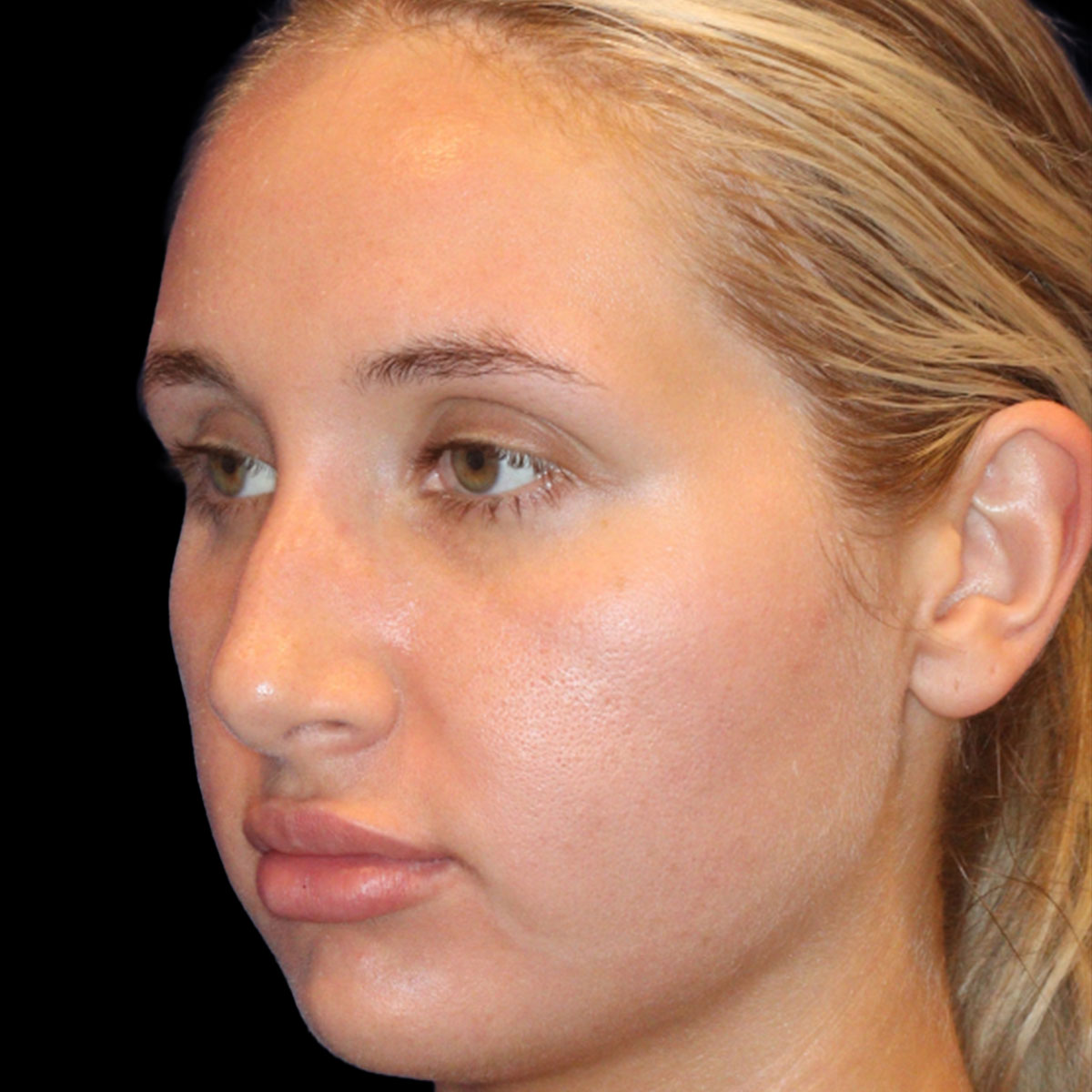
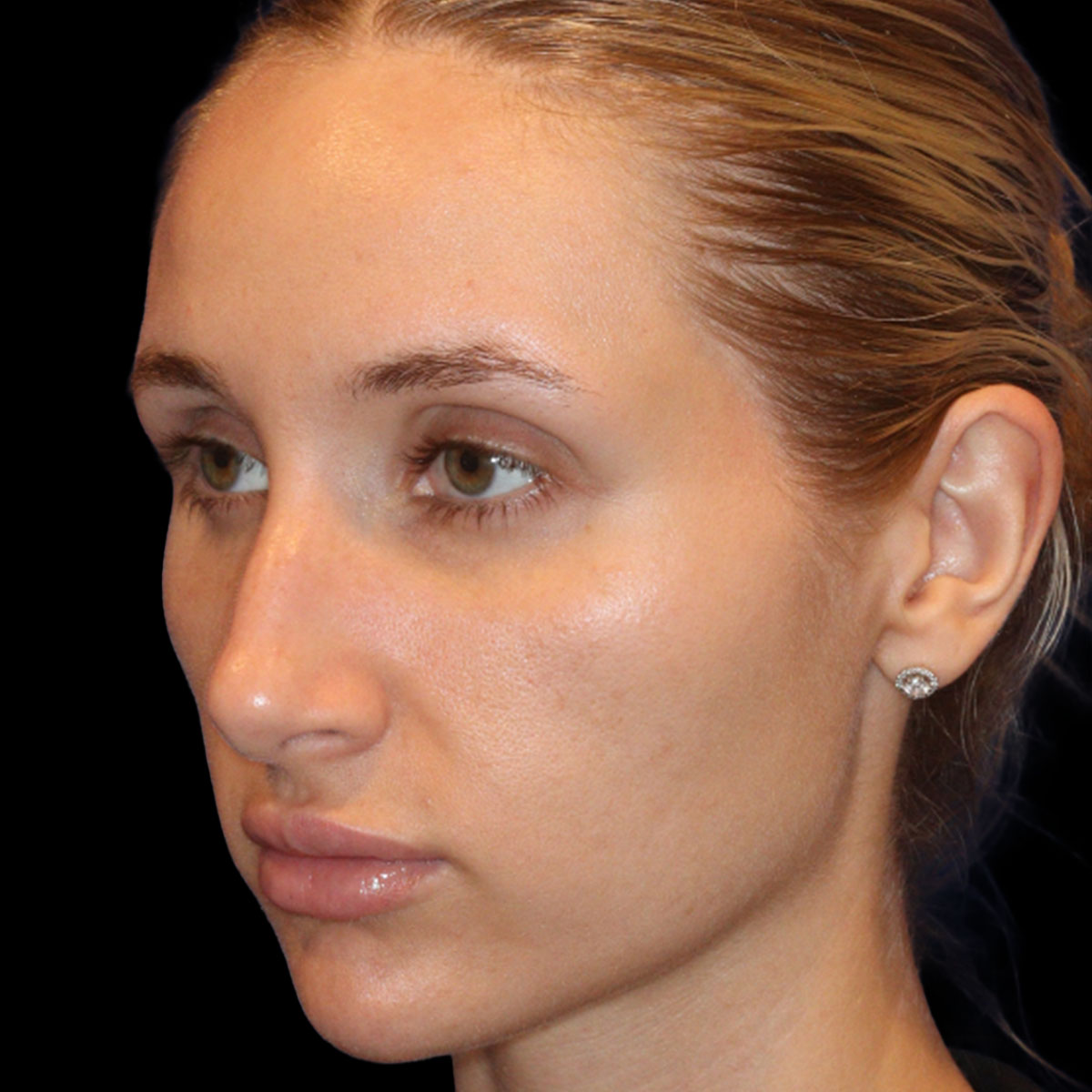
Facelift Recovery
Conveniently located to serve the areas of New York, NY
After a facelift procedure, it is important to follow a proper recovery regimen to ensure long-lasting and optimal results.
Dr. Jennifer Levine is double board-certified by the American Board of Facial Plastic and Reconstructive Surgery and the American Board of Otolaryngology. She leads her practice with an emphasis on safety, attentive care, and advanced techniques. Dr. Levine will guide you through a successful recovery period so that you can see the best possible results. Contact us online or call our office at (212) 517-9400 to schedule your personal consultation and explore how you can optimize your facelift recovery.
Contents
- 1 About Facelift Recovery
- 2 How To Prepare For A Smooth Procedure and Recovery
- 3 Recovery Timeline
- 4 Results
- 5 Corresponding Procedures
- 6 Cost of Facelifts in New York, NY
- 7 FAQ
- 7.1 How long does it take to recover from a facelift?
- 7.2 What is the most important aspect of a facelift recovery?
- 7.3 How much does a facelift cost in NYC?
- 7.4 Will I be able to go to work or attend social activities after my facelift procedure?
- 7.5 How should I sleep or rest during my facelift recovery?
- 8 References
About Facelift Recovery
A facelift, or rhytidectomy, is beneficial for combating signs of aging in the face and neck. It is ideal for reducing unwanted wrinkles, jowls, and sagging skin.
Fully understanding the facelift recovery process helps to prevent complications and ensure optimal aesthetic results. Your facelift recovery details will vary depending on several factors, such as the surgical technique used, the complexity of the procedure, and your body’s natural healing response.
How To Prepare For A Smooth Procedure and Recovery
Effectively preparing before your procedure keeps you strong and healthy throughout treatment. This leads to a faster, smoother recovery and helps to optimize results to their smoothest, most rejuvenative potential. Each patient’s preparation requirements vary depending on their medical history and procedure plan, but in general, Dr. Levine may advise:
- Pausing certain blood-thinning medications and supplements
- Ceasing nicotine use and alcohol consumption at least four weeks before and after treatment
- Setting up a comfortable recovery space in your home
- Arranging transportation home and assistance during the initial recovery period
During your consultation, Dr. Levine will provide additional preparation and recovery information specific to your treatment plan. To schedule your consultation, contact us online or call our office at (212) 517-9400.
Recovery Timeline
Day One
Immediately after your procedure, you may feel a bit drowsy. A trusted individual will drive you home so that you can begin your recovery. Some patients arrange for assistance at home during the first day and night as well. Your main focus will be resting in a comfortable position with your head elevated. Dr. Levine may prescribe medication you can take to alleviate discomfort.
Days 2-3
You will attend a follow-up visit to remove or change surgical dressings; Dr. Levine will evaluate your incisions and swelling here as well. After applying new dressings, you will return home to continue resting. Swelling and bruising often reach their peak around this time. It is important to avoid driving or any other activities that require neck movement, continue to elevate your head while resting, turn at the waist rather than rotating your head, and sleep on your back.
Days 4-7
By your first full week of recovery, you should start to see the swelling subside and feel more comfortable moving your body independently. At this point, you may resume washing your face with light pressure and gentle cleansers. After day seven and into the second week, you might begin to resume wearing makeup in certain areas, but you should wait for Dr. Levine’s approval.
Weeks 2-3
During your second week, bruising and swelling will still be present, but will continue to improve. You will also begin to feel more comfortable resuming light activities and short outings, but you must avoid strenuous exercise and heavy lifting. After two weeks, you will attend another follow-up visit where Dr. Levine will assess your progress and remove sutures, if necessary. It is crucial to stay hydrated and consume a well-balanced diet, as this will help your body to feel stronger and recover effectively.
Weeks 4-6
During weeks four to six, the majority of visible swelling will resolve, and your facial contours will begin to show more definition and improvement. All sutures will be removed by this point, and you may feel lingering mild tightness and numbness. By this time, you may resume exercising and your usual activities with Dr. Levine’s approval. You may also notice that your incision sites will appear pink or slightly red.
Beyond Weeks 4–6
After one month of recovery, you will more clearly see your facelift results and feel like yourself again—this time, with a confidence boost. You can fully resume your normal routines and enjoy life with your new look. (1) However, the deep, underlying tissues take up to three to six months to fully settle, and it may take up to a year for very minor swelling, tightness, and numbness to subside.
This is an estimated week-by-week recovery timeline. Your recovery experience and instructions may vary depending on the type of facelift you receive. With her double board-certifications and expansive knowledge in facial procedures, anatomy, and facelifts specifically, Dr. Levine will provide detailed recovery guidelines for your specific procedure. Following these closely makes for a smoother recovery period and helps your results appear natural and seamless.
Results
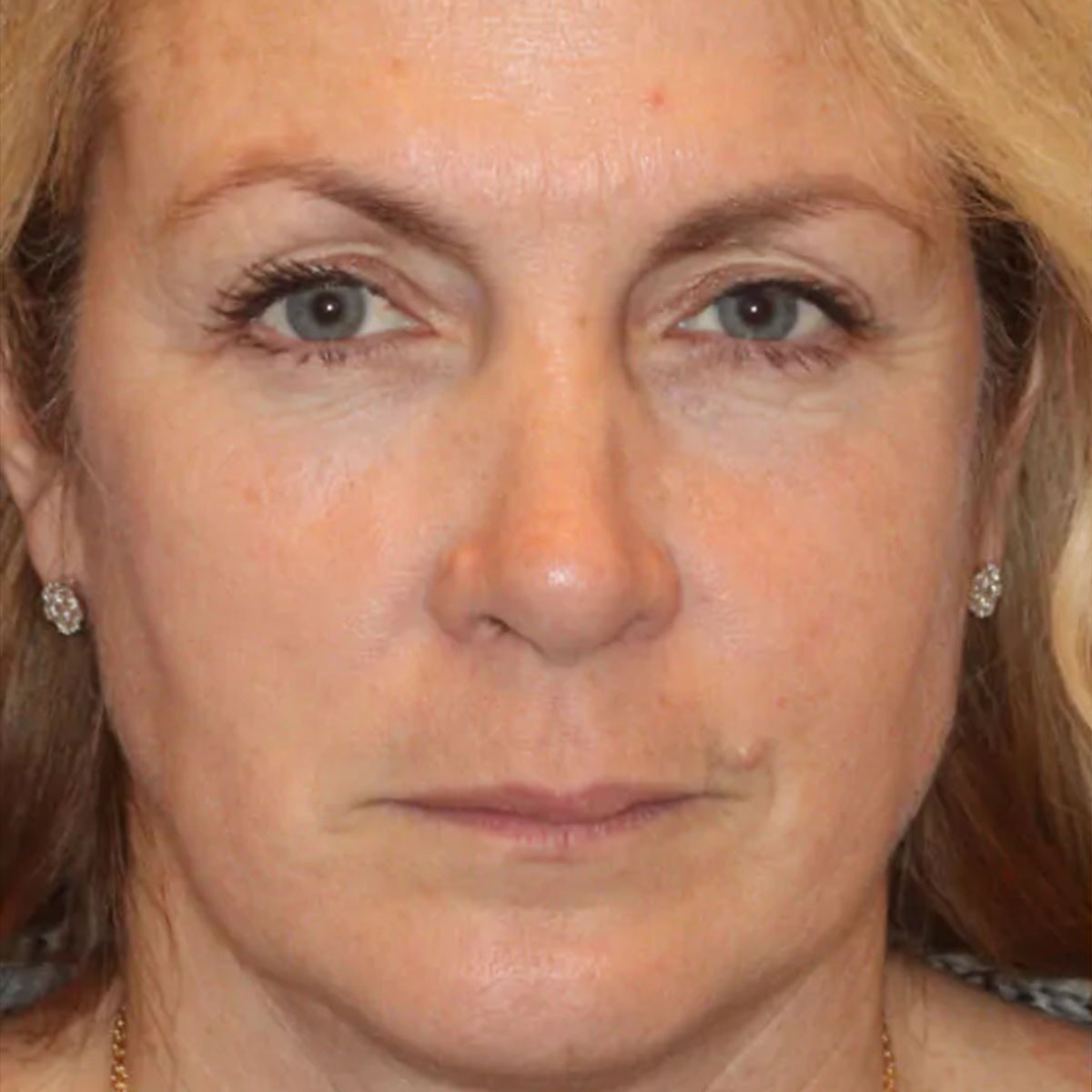
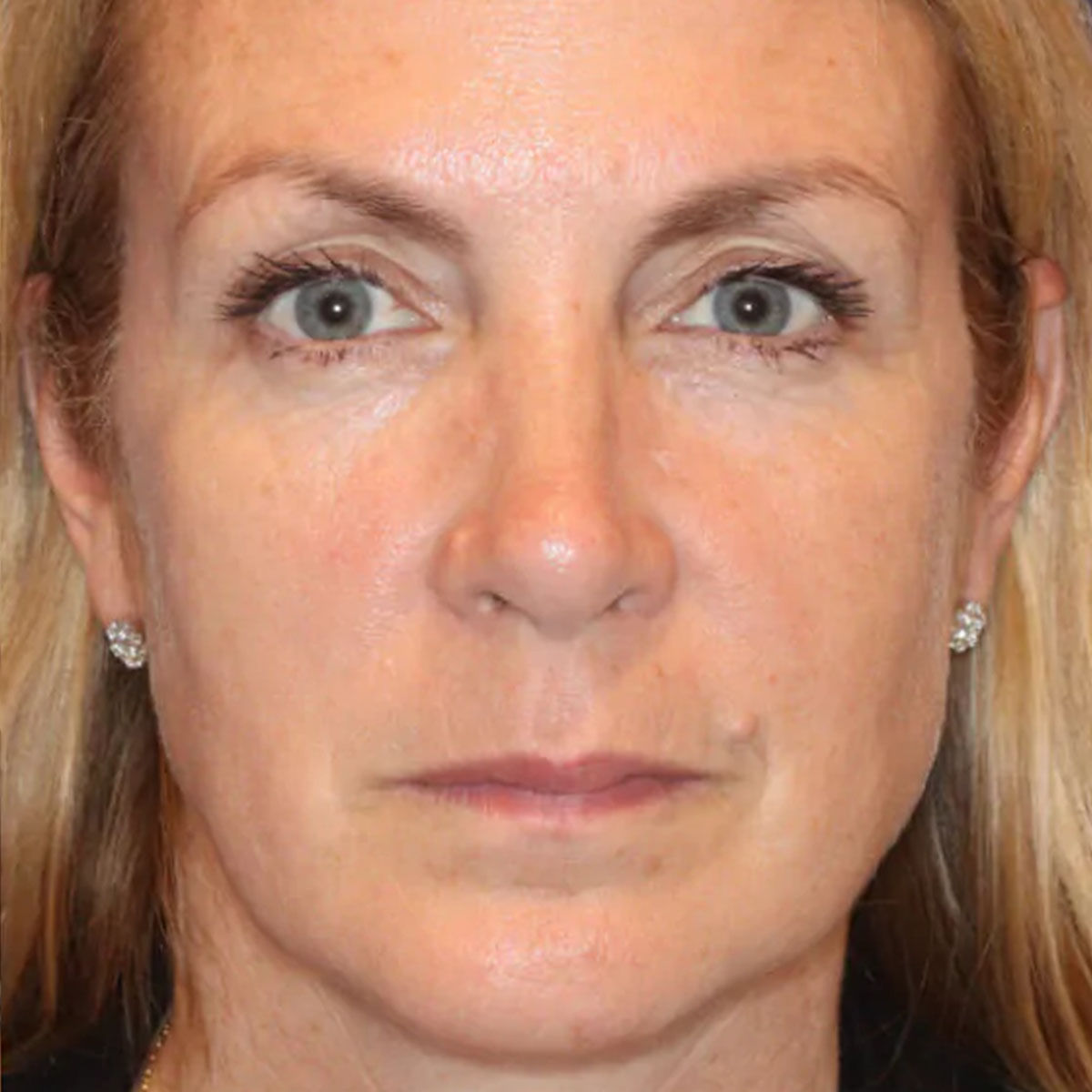
A facelift will raise and tighten sagging skin and underlying tissues in the lower face, jowls, and neck. After recovering, you will enjoy a youthful-looking and refreshed appearance free of deep folds, sagging skin, and missing volume. (2) Facelift results can last anywhere from 5 to 15 years; however, the natural aging process will continue. Maintaining a healthy lifestyle, wearing sunscreen, and practicing a consistent and daily skincare routine will prolong your newly refreshed appearance.
Corresponding Procedures
Neck Rejuvenation
Neck rejuvenation includes various non-surgical treatment options that smooth loose skin and muscle banding on the neck. These treatments can also reduce fat beneath the chin and create a smooth, toned, and harmonious flow from the jawline to the shoulders. Techniques such as Ultherapy PRIME, Emface, CoolSculpting, Kybella injections, Botox, and laser treatments work alone or together to achieve a youthful contour.
Neck Lift
In nearly all cases, Dr. Levine performs a neck lift in conjunction with a facelift. This procedure addresses the muscle banding, “turkey neck” appearance that patients commonly struggle with. It also helps to reinforce the jawline corrections that a facelift makes, leading to a longer-lasting rejuvenation across the entire visage.
Non-Surgical Nose Job
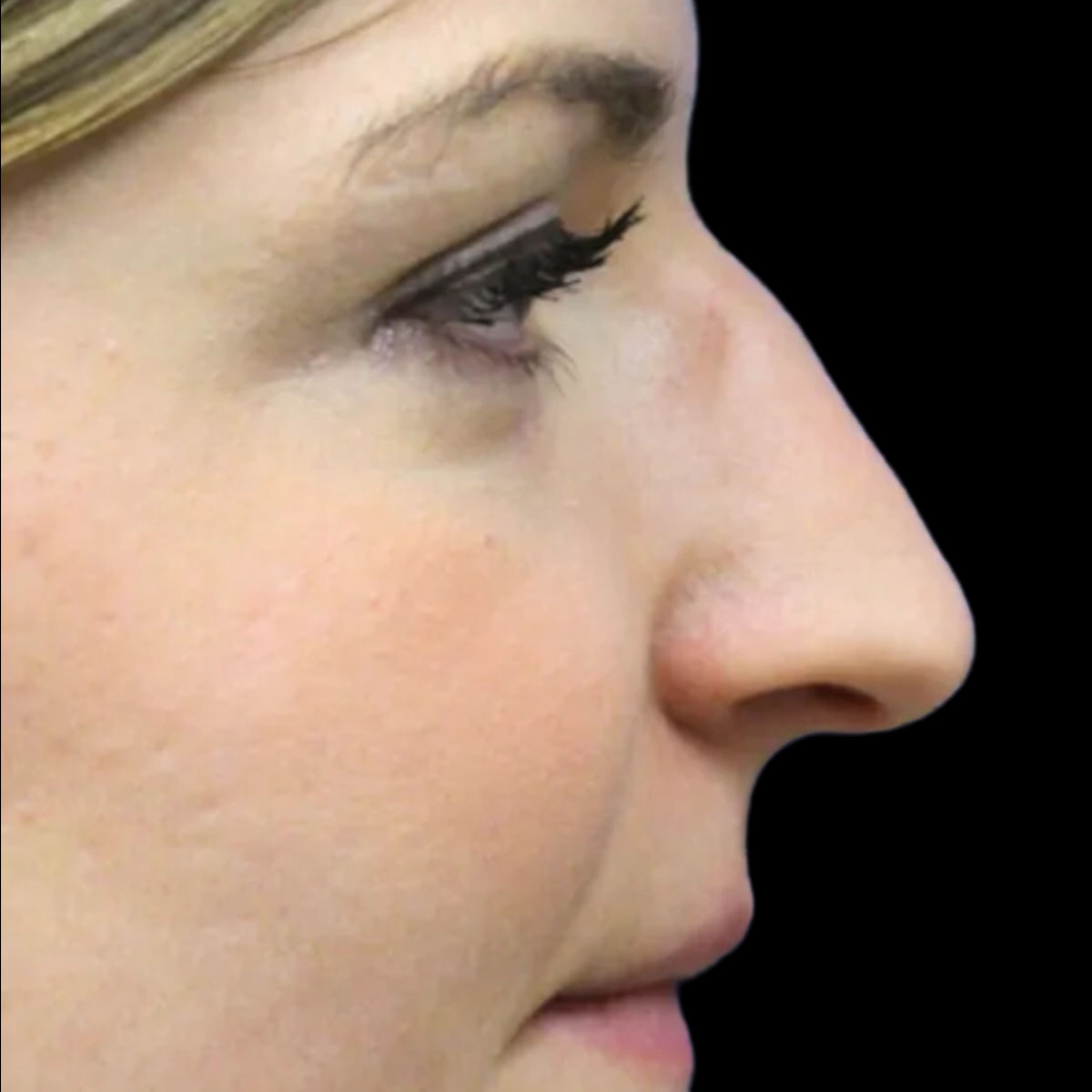
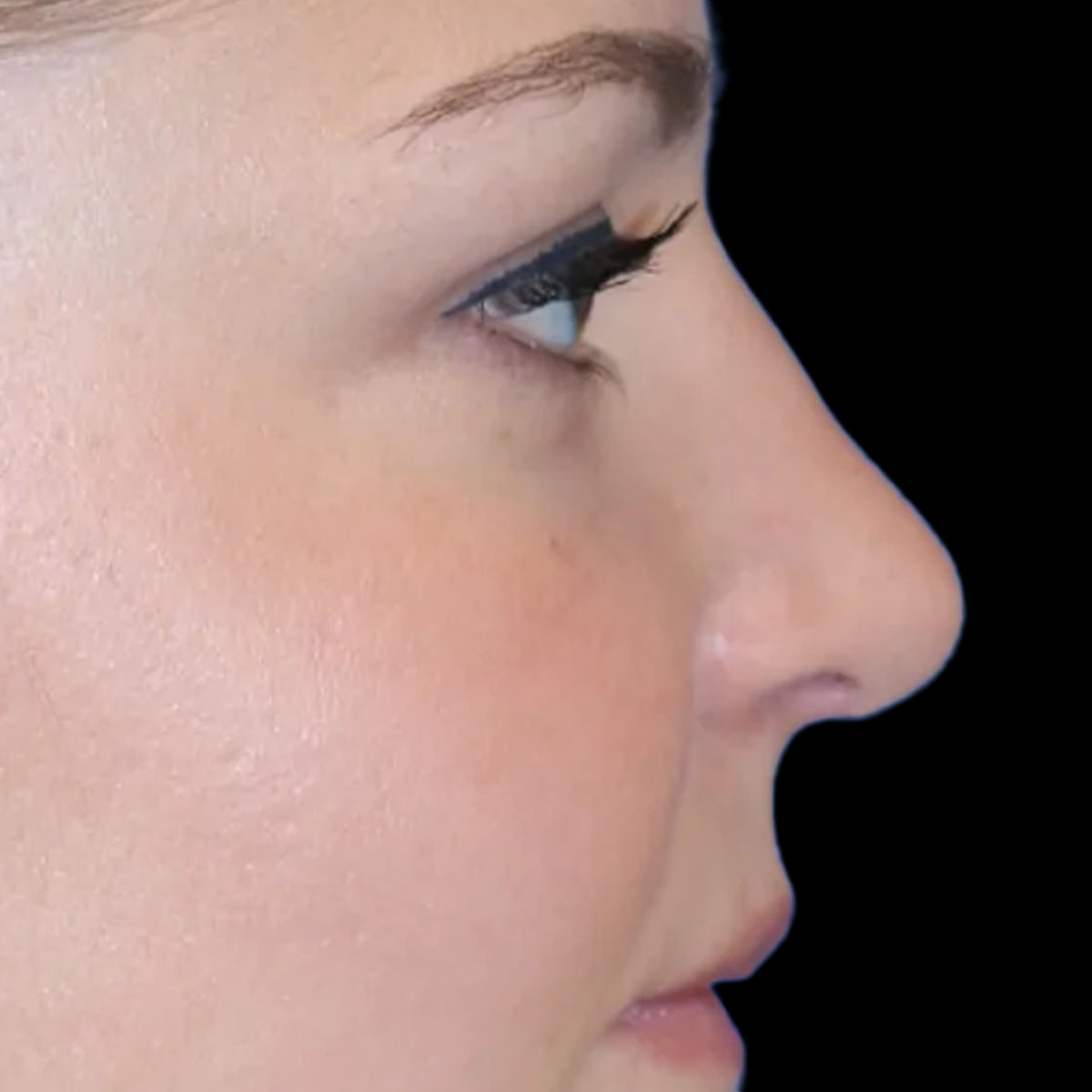
A non-surgical nose job uses injectable formulas to sculpt the nose without invasive surgery. It refines and corrects imperfections to deliver a more balanced facial appearance. Combining this treatment with a facelift can enhance outcomes by balancing facial features.
Jawline Contouring
Jawline contouring turns a soft, sagging, round jawline into a sharp, attractive, angular one. Using advanced techniques such as dermal fillers, CoolSculpting, Ultherapy PRIME, Evoke, and other techniques, Dr. Levine achieves natural-looking improvements in facial definition. (3)
Cost of Facelifts in New York, NY
The cost of your facelift varies depending on the exact technique Dr. Levine uses, whether you include any other treatments, and the total extent of your procedure. During your personal consultation, Dr. Levine will provide a detailed cost estimate. Contact us online or call our office at (212) 517-9400 to transform your facial appearance and explore what your recovery entails!
FAQ
How long does it take to recover from a facelift?
Facelift recovery takes about two to four weeks of downtime and resting. After this point, you can slowly resume your normal routines. However, the underlying tissues take three to six months to fully settle in and heal. Results will continue to be refined over the course of a year. During this period, scars will fade until becoming barely visible.
What is the most important aspect of a facelift recovery?
Resting and optimizing your hydration and nutrition are crucial. These factors significantly impact your healing timeline, allowing your body to feel strong and recover faster.
How much does a facelift cost in NYC?
The cost of your facelift procedure varies depending on the technique Dr. Levine uses and the overall scale of your procedure. She will provide a detailed cost outline during your personal consultation.
You may return to work and social activities after three to four weeks post-procedure. It is important to maintain safety protocols and carefully navigate your day-to-day activities while recovering from a facelift to ensure optimal results.
How should I sleep or rest during my facelift recovery?
You should sleep on your back and elevate your shoulders, face, and head. This positioning protects your face and allows gravity to assist in decreasing swelling and fluid retention.
References
- Meyers A, Coombs DM, Zins JE. Enhanced Recovery after Surgery (ERAS) Protocol in Facelift Surgery. Plastic and reconstructive surgery Global open. 2022;10(10S):52-52. doi:https://doi.org/10.1097/01.gox.0000898580.22657.48
- Rohrich RJ, Sinno S, Vaca EE. Getting Better Results in Facelifting. Plastic and Reconstructive Surgery – Global Open. 2019;7(6):e2270. doi:https://doi.org/10.1097/gox.0000000000002270
- Alcantara A, Vassoler Guerrero Puccia É, Perrella de Rezende C, Ho Kim J, Viana R. Optimizing Dermal Filler for Chin and Jawline Definition as an Advanced Approach for Natural Results: A Prospective Case Series With Ultrasonographic and 3D Facial Imaging Evaluation. Cureus. Published online December 17, 2025. doi:https://doi.org/10.7759/cureus.99477