


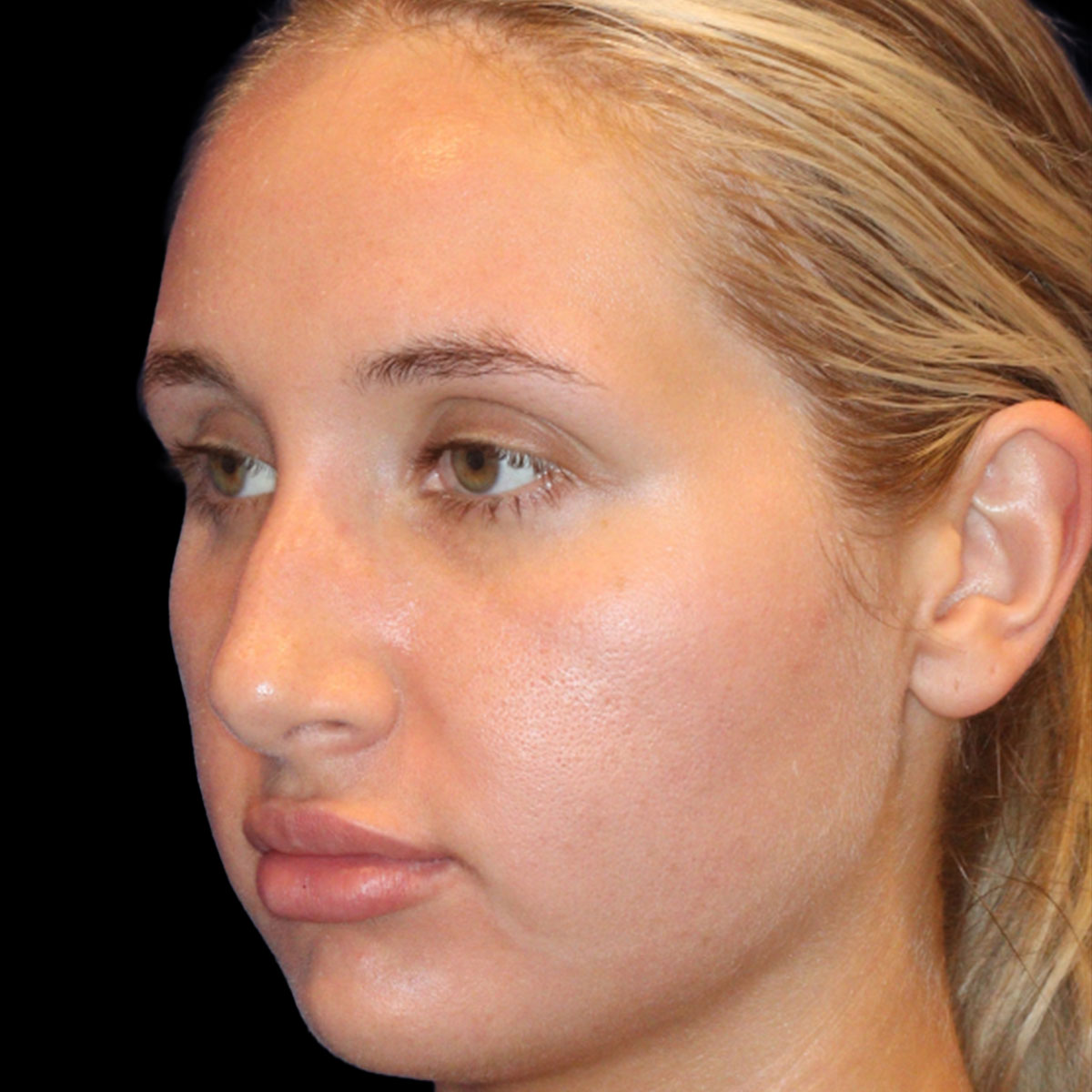
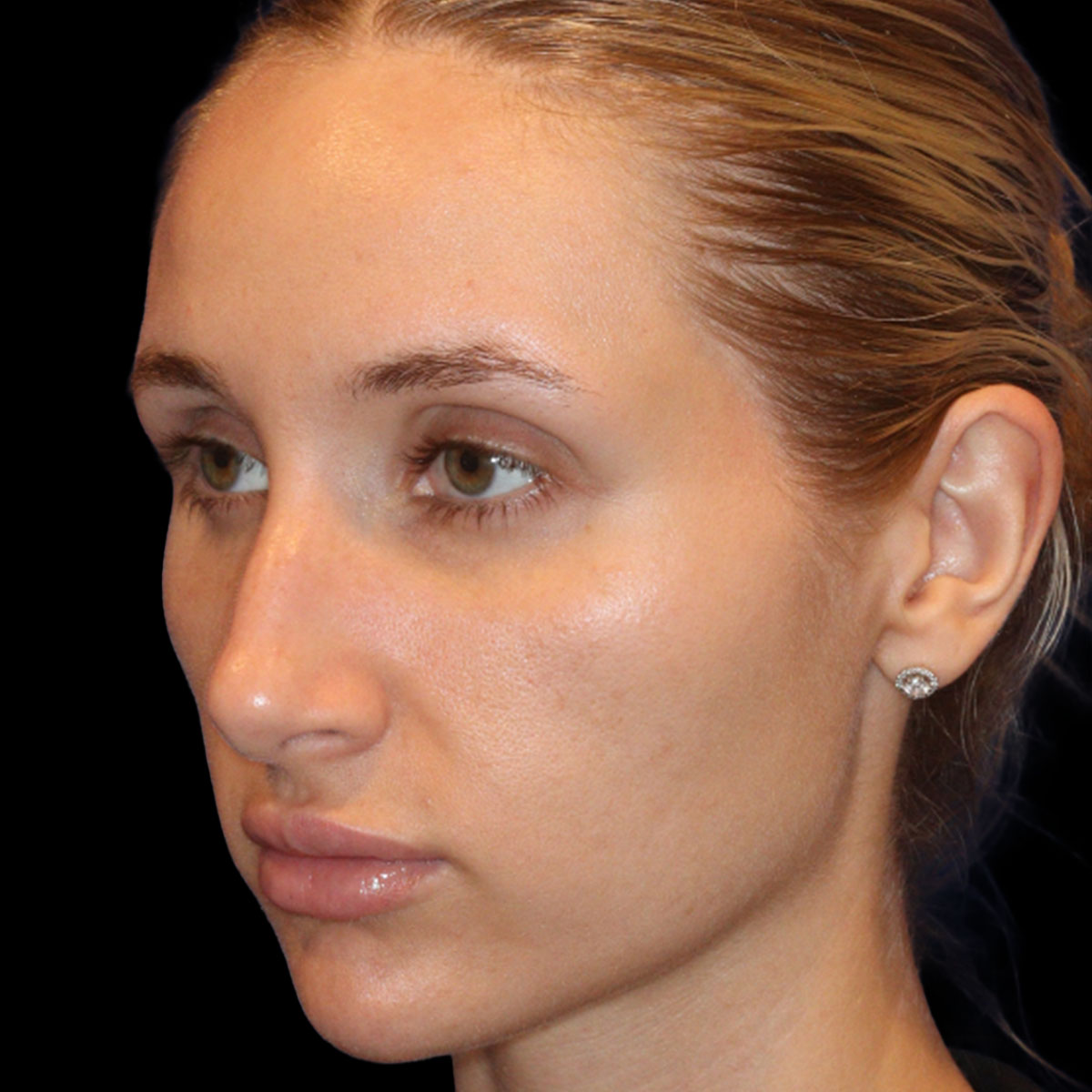

Microdosing GLP-1s is an innovative, individualized approach to health and wellness, offering a more sustainable alternative to traditional treatments.
Dr. Jennifer Levine is continuously exploring innovations in health and wellness solutions, including microdosing GLP-1s. While traditional weight management strategies depend on higher medication doses, microdosing GLP-1s offers a more tailored and long-lasting approach to reaching health objectives. This emerging option has shown potential benefits not only for weight management but also for areas such as metabolic health, insulin regulation, and long-term wellness.
Dr. Levine is double-board certified by the American Board of Facial Plastic and Reconstructive Surgery and the American Board of Otolaryngology. She carefully evaluates each treatment she offers to ensure it meets the highest standards of safety, precision, and patient-centered care. At her practice, the integration of advanced therapies like GLP-1 microdosing reflects her ongoing commitment to bringing her patients science-driven solutions that align with their goals.
If you would like to explore whether microdosing GLP-1 medications may be the right step for you, schedule a consultation with Dr. Levine online or call her office at (212) 517-9400.
Compounded GLP-1 medications are not FDA-approved. They may only be offered under specific federal guidelines and are not reviewed for safety, efficacy, or manufacturing quality by the FDA.
Contents
About Microdosing GLP-1s
GLP-1 stands for glucagon-like peptide-1, which is a naturally occurring hormone in the body. This hormone plays a vital role in blood sugar control, appetite regulation, and metabolic health. Synthetic versions of GLP-1, such as semaglutide and tirzepatide, are used to mimic the hormone’s functions and assist patients in regulating their metabolism more effectively. Traditionally, GLP-1 medications have been prescribed at higher doses for individuals who have not seen substantial weight loss results through dieting and exercise. These medications help slow gastric emptying, enhance insulin secretion, and reduce appetite so that patients can see more effective results. (1)
While on these medications, patients often report feeling fuller sooner and for longer periods, which contributes to improved weight management. Despite their effectiveness, high doses of GLP-1 medications can come with a variety of unpleasant side effects, such as nausea, which can make them less appealing as a long-term solution for many patients.
Microdosing shifts the approach from high-dosage regimens to lower-dose plans designed to support gradual improvement. This strategy makes GLP-1s accessible to individuals who may not need or want the effects of full-strength prescriptions but are still seeking manageable, steady progress.
Potential Benefits of Microdosing GLP-1s
By using smaller, carefully measured doses of semaglutide or tirzepatide, patients may experience benefits in multiple areas of health, which may include the following:
Lower Cholesterol
Microdosing GLP-1s may help improve cholesterol profiles by supporting healthier metabolic function. Patients could see reductions in LDL (low-density lipoprotein) cholesterol and triglyceride levels, both of which can affect cardiovascular health. (2)
Polycystic Ovary Syndrome (PCOS)
For individuals with PCOS, microdosing GLP-1s may help regulate insulin resistance and hormonal imbalances. (3) This can contribute to more regular cycles, improved metabolic health, and better management of associated symptoms.
Weight Loss
Microdosing provides a more gradual and sustainable path to weight loss compared to higher-dose treatments. Many patients who do not need dramatic weight reduction may still achieve modest yet meaningful progress. When undergoing a personalized microdosing treatment plan, patients can expect to lose roughly 10 pounds or less.
Menopause Support
Hormonal shifts during menopause often lead to weight gain, appetite changes, and metabolic challenges. Microdosing GLP-1s may provide support during this transition by helping regulate appetite, energy, and metabolic stability.
Improved Blood Sugar Regulation
Because GLP-1 medications help the body release insulin more efficiently, microdosing can support steadier blood sugar levels. (1) This benefit can be especially helpful for patients with mild insulin resistance or prediabetes.
Reduced Side Effects
One of the most significant benefits of microdosing is improved tolerability. Patients are less likely to experience nausea, digestive issues, or other common side effects when starting at lower levels.
Long-Term Wellness Support
Microdosing GLP-1s can be combined with lifestyle changes, nutritional guidance, and other wellness treatments for a comprehensive approach. The focus is on creating steady, lasting improvements rather than short-term fixes.
Dr. Levine and her team carefully tailor microdosing plans to reflect each patient’s health profile and long-term goals. This ensures that the treatment is not only effective but also safe, personalized, and sustainable.
If you are interested in learning more about how microdosing GLP-1 medications can benefit you, call Dr. Levine’s office at (212) 517-9400 or schedule your consultation online today.
Ideal Candidates
Microdosing GLP-1 medications may be appropriate for patients who fit certain profiles. Ideal candidates are often those who:
- Are seeking moderate support for weight management
- Experience difficulty with appetite control or frequent cravings
- Have minor to moderate metabolic imbalances
- Are interested in complementing lifestyle changes with medical support
- Prefer a gradual, sustainable approach over more aggressive interventions
- Want to avoid higher dosages due to potential side effects or tolerability issues
During your consultation, Dr. Levine will assess your goals, medical history, and overall health to determine whether GLP-1 microdosing is the right path for you.
Personal Consultation
The decision to begin microdosing GLP-1 medications requires careful evaluation. At your consultation with Dr. Levine, you will have the opportunity to discuss your health concerns, goals, and preferences. Dr. Levine and her team will review your medical background, assess your metabolic profile, and explain what you can realistically expect from microdosing.
You will receive clear explanations about how GLP-1s function, what role microdosing plays, and how the treatment can be customized to your needs. This consultation will lay the groundwork for a personalized treatment plan designed by Dr. Levine to help you reach your goals.
To schedule your consultation with Dr. Levine, call (212) 517-9400 or contact us online today.
Preparation for Microdosing GLP-1 Medications
Proper preparation can make your experience with GLP-1 microdosing smoother and more effective. Dr. Levine will provide specific instructions based on your individual case, but common recommendations may include:
- Maintaining a healthy lifestyle before starting your treatment plan
- Sharing your full medical history, including medications and supplements, with Dr. Levine
- Committing to realistic expectations and a long-term perspective on results
This preparation ensures that your treatment is tailored to your unique goals and that Dr. Levine has all the information required to guide you effectively.
Treatment
These medications are administered via injections, which can be administered in-office or at home with proper instruction. Dr. Levine will supervise your microdosing schedule, adjusting it as needed to align with your progress and tolerance.
Because every patient’s health and metabolism differ, the process remains highly personalized. Dr. Levine emphasizes close monitoring and open communication so that any concerns are addressed promptly. Patients are encouraged to check in regularly for follow-up evaluations to track their progress.
Results

Patients who microdose GLP-1s often notice improvements in appetite control and cravings within the first several weeks. Over time, steady changes in weight and metabolic balance may occur. For many patients, this results in them establishing a relationship with food that feels more manageable, allowing them to adopt healthier habits with greater ease.
The outcomes of microdosing are not meant to be dramatic, rapid changes. Instead, they focus on sustainability and long-term wellness. This measured approach makes it an appealing option for patients who want improvements that align with their lifestyle and health goals rather than abrupt shifts. With consistent treatment and lifestyle support, patients may achieve enhanced energy levels, improved confidence, and lasting results that support their quality of life.
Corresponding and Combination Procedures
Some patients may wish to combine microdosing GLP-1s with other services available at Dr. Levine’s Manhattan practice. This allows for a more comprehensive approach to health and aesthetics. Some of the ways to complement a GLP-1 microdosing regimen include:
Ultherapy PRIME
Ultherapy PRIME is a minimally invasive skin tightening treatment that utilizes advanced ultrasound technology to trigger collagen stimulation and target the deeper layers of the skin to improve elasticity. Patients who lose weight on GLP-1 medications often benefit from this treatment if they are experiencing even a mild to moderate degree of skin laxity as a result.
Emsculpt NEO
Emsculpt NEO uses synchronized radiofrequency and electromagnetic energy to simultaneously build muscle and burn fat in a way that is unachievable through diet and exercise alone. When paired with GLP-1 treatments, it helps refine body contours, enhance tone, and maintain long-term results.
Cost of Microdosing GLP-1 Medications in NYC
The cost of microdosing GLP-1s can vary depending on factors such as the medication prescribed, the length of treatment, and more. During your consultation, Dr. Levine will provide a personalized estimate and explain the options available to you.
Schedule a consultation today by submitting our online contact form or calling our Manhattan office at (212) 517-9400.
This content is for informational purposes only and is not intended as medical advice. Compounded GLP-1 medications are not FDA-approved and are not equivalent to any branded products. Always consult a licensed medical provider.
FAQ
What makes microdosing GLP-1s different from standard treatments?
Microdosing uses lower, carefully measured doses of semaglutide or tirzepatide to provide steady progress with fewer side effects. This approach focuses on sustainability rather than dramatic changes.
Are there side effects to microdosing GLP-1s?
Side effects are possible but tend to be milder with microdosing compared to higher doses. Common effects may include temporary nausea or digestive changes, which usually improve over time.
Can microdosing GLP-1s be combined with other treatments?
Yes, patients often follow microdosing GLP-1s with body contouring, skin tightening, or JL Signature procedures at Dr. Levine’s practice for a more complete outcome.
Is microdosing GLP-1s safe for everyone?
Not all patients are eligible for GLP-1s. During your consultation, Dr. Levine will evaluate your medical history and health profile to determine if this treatment is appropriate for you.
How long will I need to continue microdosing GLP-1s?
The length of treatment varies depending on your goals and response. Some patients benefit from ongoing support, while others may achieve their goals in a shorter time frame.
References
- Latif W, Lambrinos KJ, Rodriguez R. Compare And Contrast the Glucagon-like Peptide-1 Receptor Agonists (GLP1RAs). PubMed. Published February 25, 2024. https://www.ncbi.nlm.nih.gov/books/NBK572151/
- Lecis D, Prandi FR, Barone L, et al. Beyond the Cardiovascular Effects of Glucagon-like Peptide-1 Receptor Agonists: Body Slimming and Plaque Stabilization. Are New Statins Born? Biomolecules. 2023;13(12):1695. doi:https://doi.org/10.3390/biom13121695
- Bader S, Bhatti R, Mussa B, Abusanana S. A systematic review of GLP-1 on anthropometrics, metabolic and endocrine parameters in patients with PCOS. Women’s Health. 2024;20:17455057241234530. doi:https://doi.org/10.1177/17455057241234530