


Rhinoplasty Recovery Guide
Conveniently located to serve the areas of New York, NY

Effectively recovering from a rhinoplasty is a crucial step in ensuring long-lasting, natural-looking results. Though the surgery will create significant changes, closely following recovery guidelines allows you to safely enjoy optimal outcomes.
Dr. Jennifer Levine is double board-certified by the American Board of Facial Plastic and Reconstructive Surgery and the American Board of Otolaryngology. She is also an experienced ENT, and she was recently named the best nonsurgical rhinoplasty practitioner by Modern Luxury Manhattan. She leads her practice by pouring her unique knowledge of the face and its underlying structures into each and every procedure to enhance one’s natural appearance. After performing a rhinoplasty, Dr. Levine provides you with a detailed and customized recovery plan, which she encourages you to follow precisely. Whether you have questions about your rhinoplasty recovery or you are ready to explore how you can benefit from the procedure, contact us online or call our office at (212) 517-9400 to speak with Dr. Levine.
Contents
- 1 Before and After Photos
- 2 Types of Rhinoplasty
- 3 About Rhinoplasty Recovery
- 4 First Three Days
- 5 Week 1
- 6 Week 2
- 7 Weeks 3 to 6
- 8 Months 2 to 12
- 9 Final Results
- 10 Cost of Rhinoplasty in New York City
- 11 FAQ
- 11.1 How long will my recovery for rhinoplasty take?
- 11.2 When will I be able to resume strenuous activities during my rhinoplasty recovery?
- 11.3 Are the results from a rhinoplasty permanent?
- 11.4 What can help speed up my rhinoplasty recovery?
- 11.5 How can I obtain the best rhinoplasty recovery and results?
- 11.6 What should I do if I encounter any complications during my rhinoplasty recovery?
- 12 References
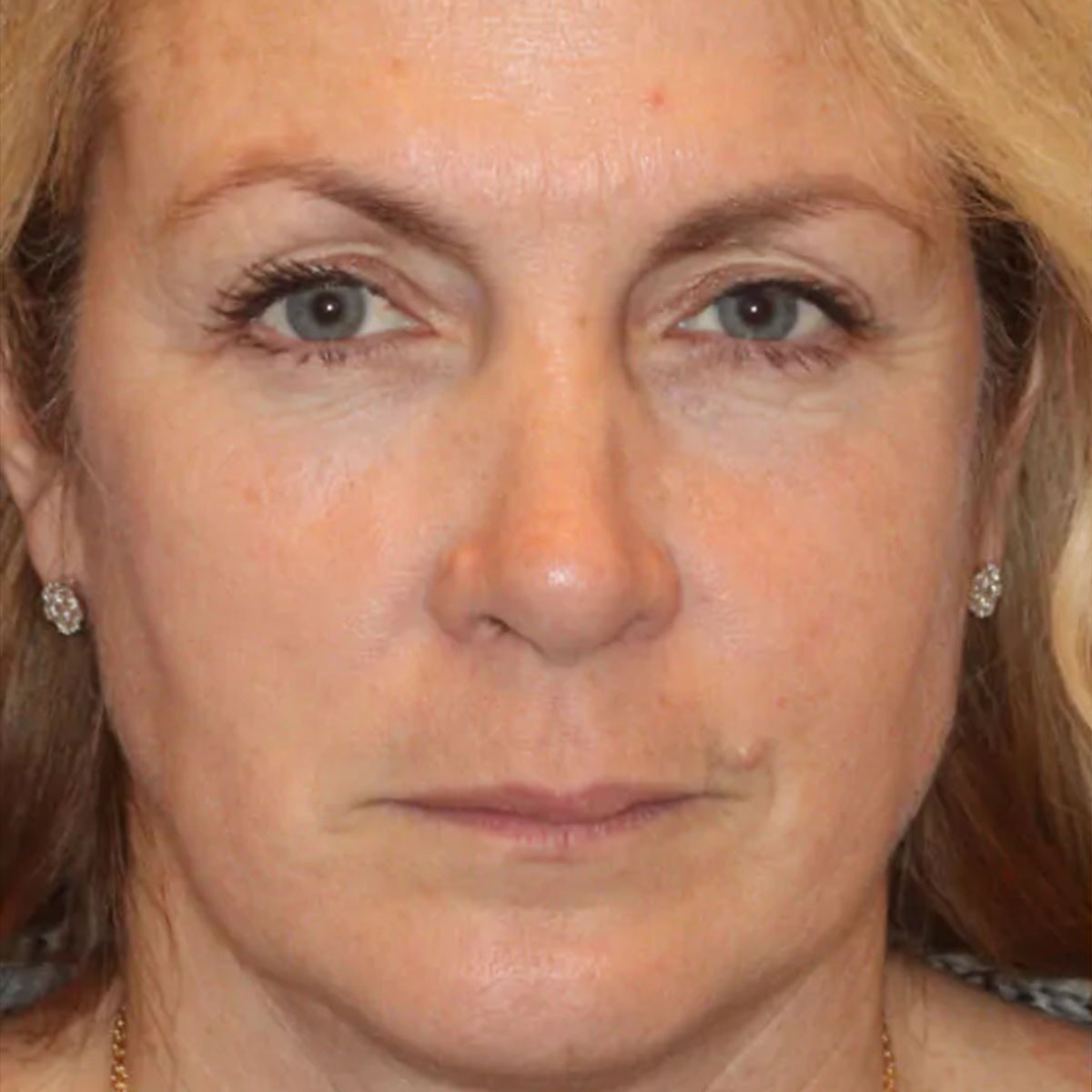
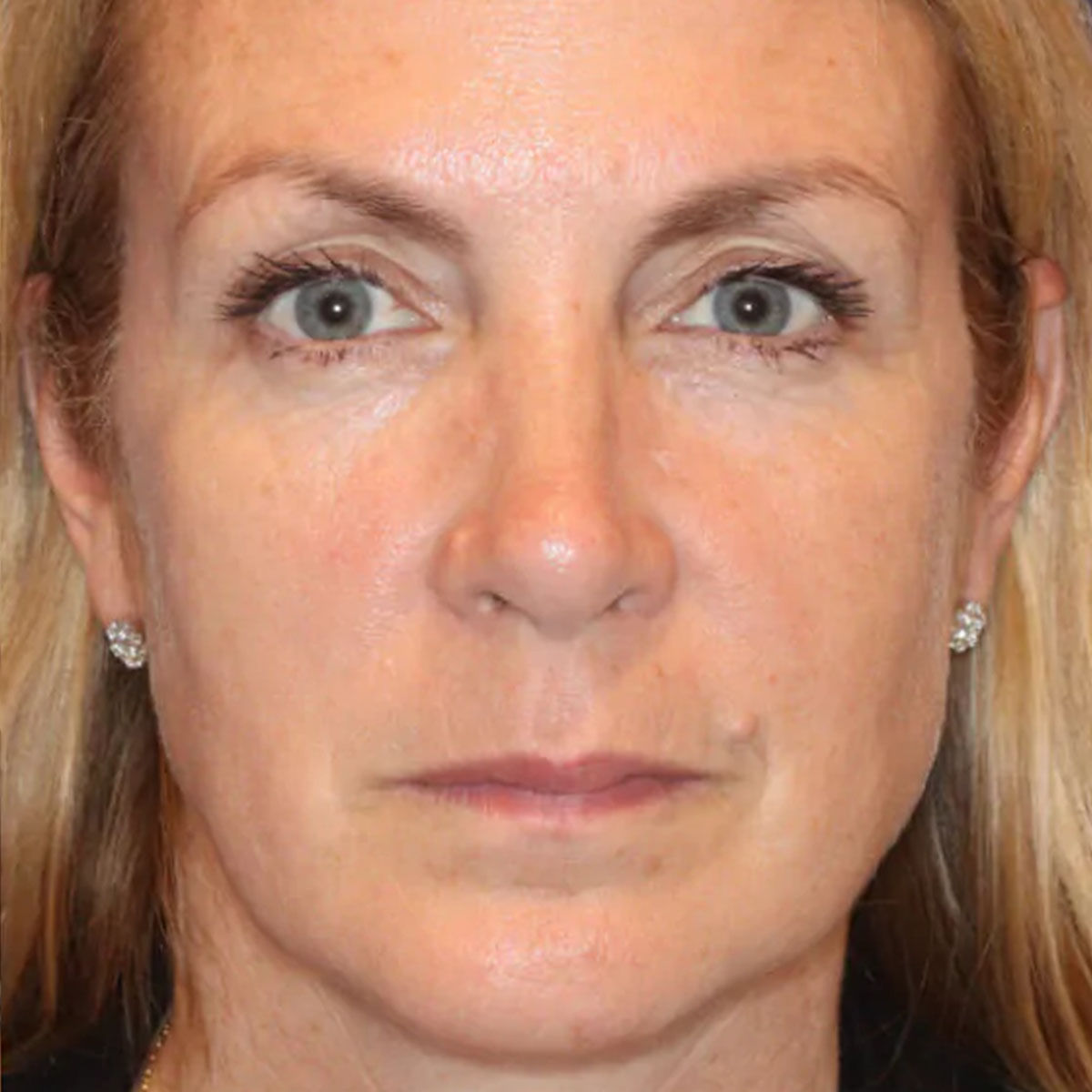
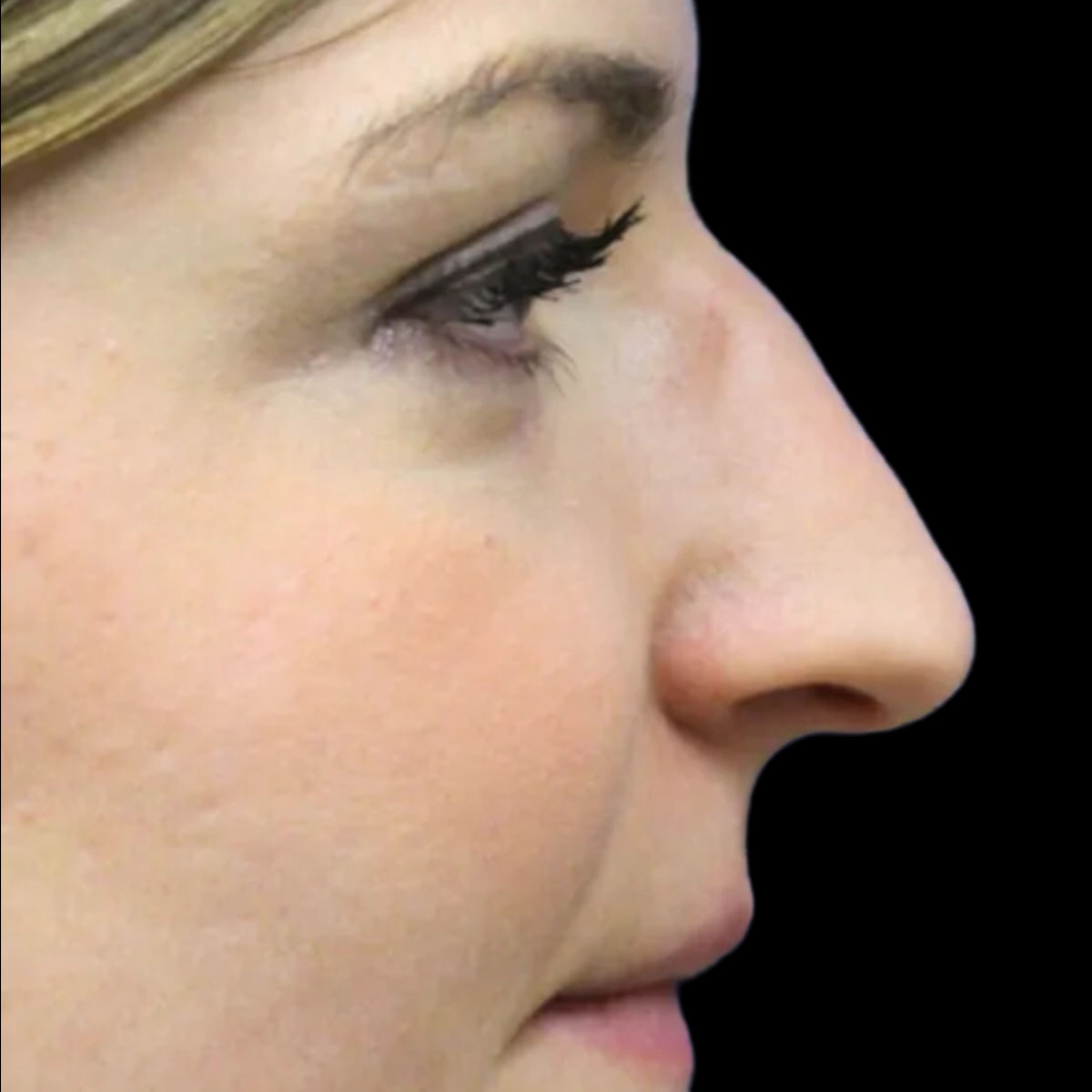
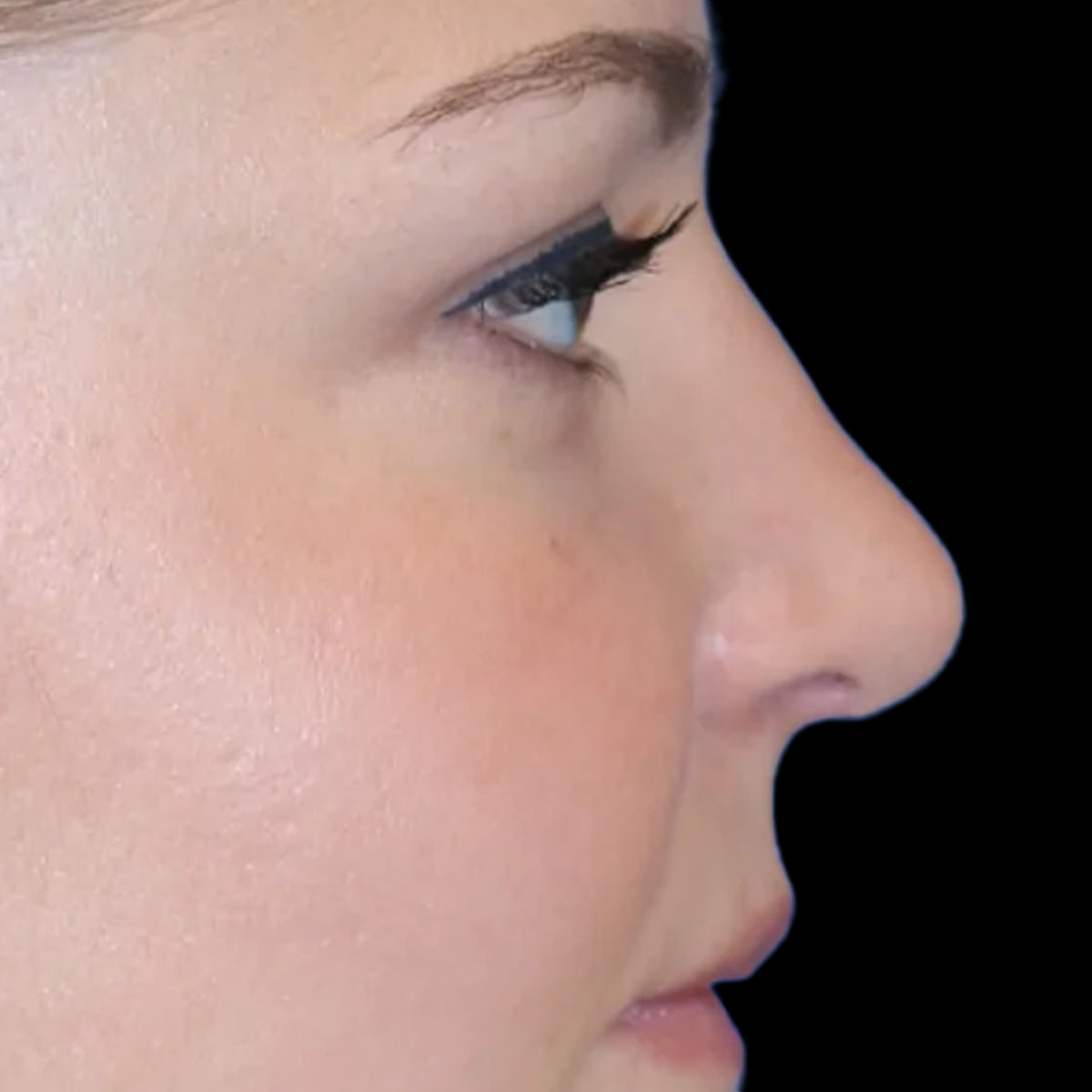
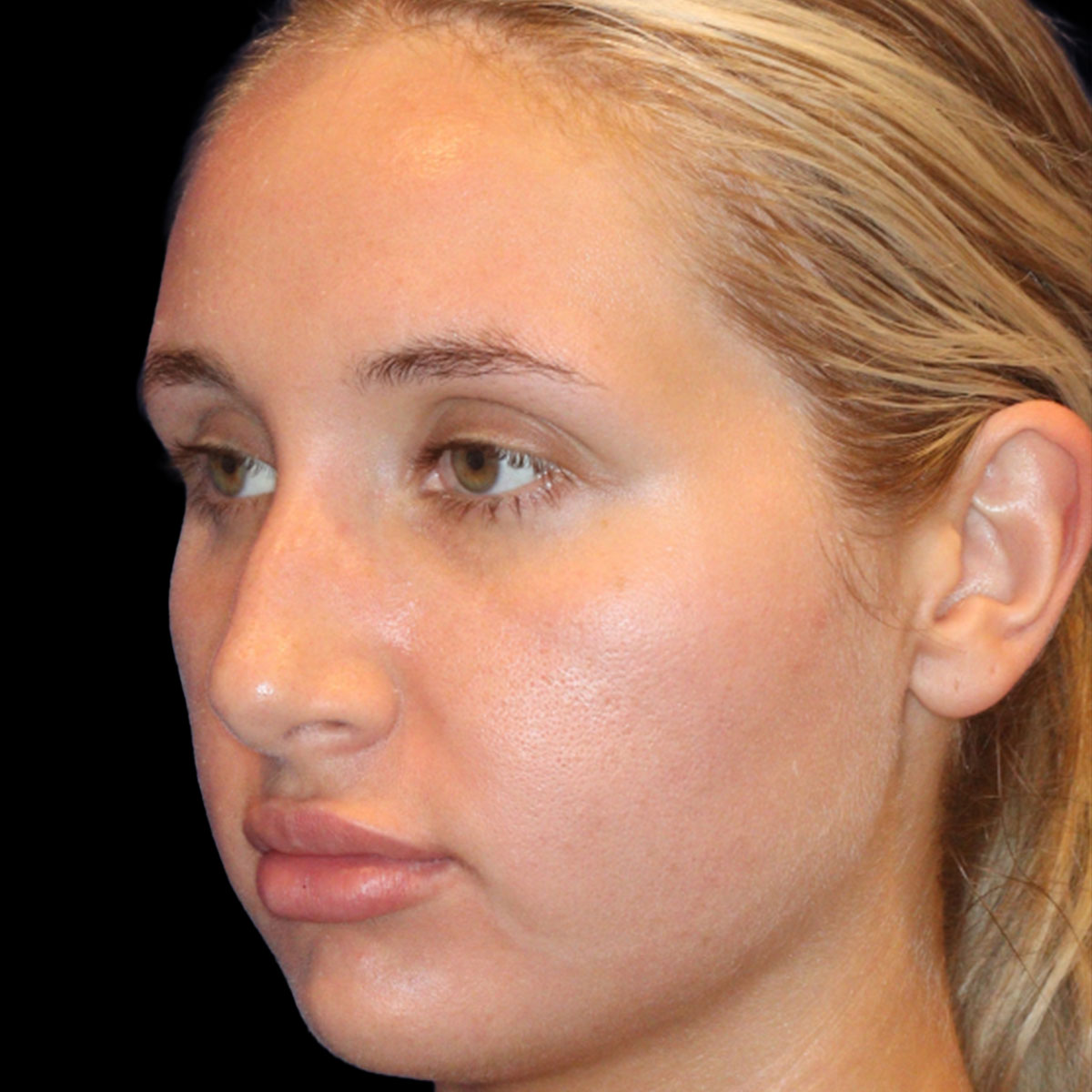
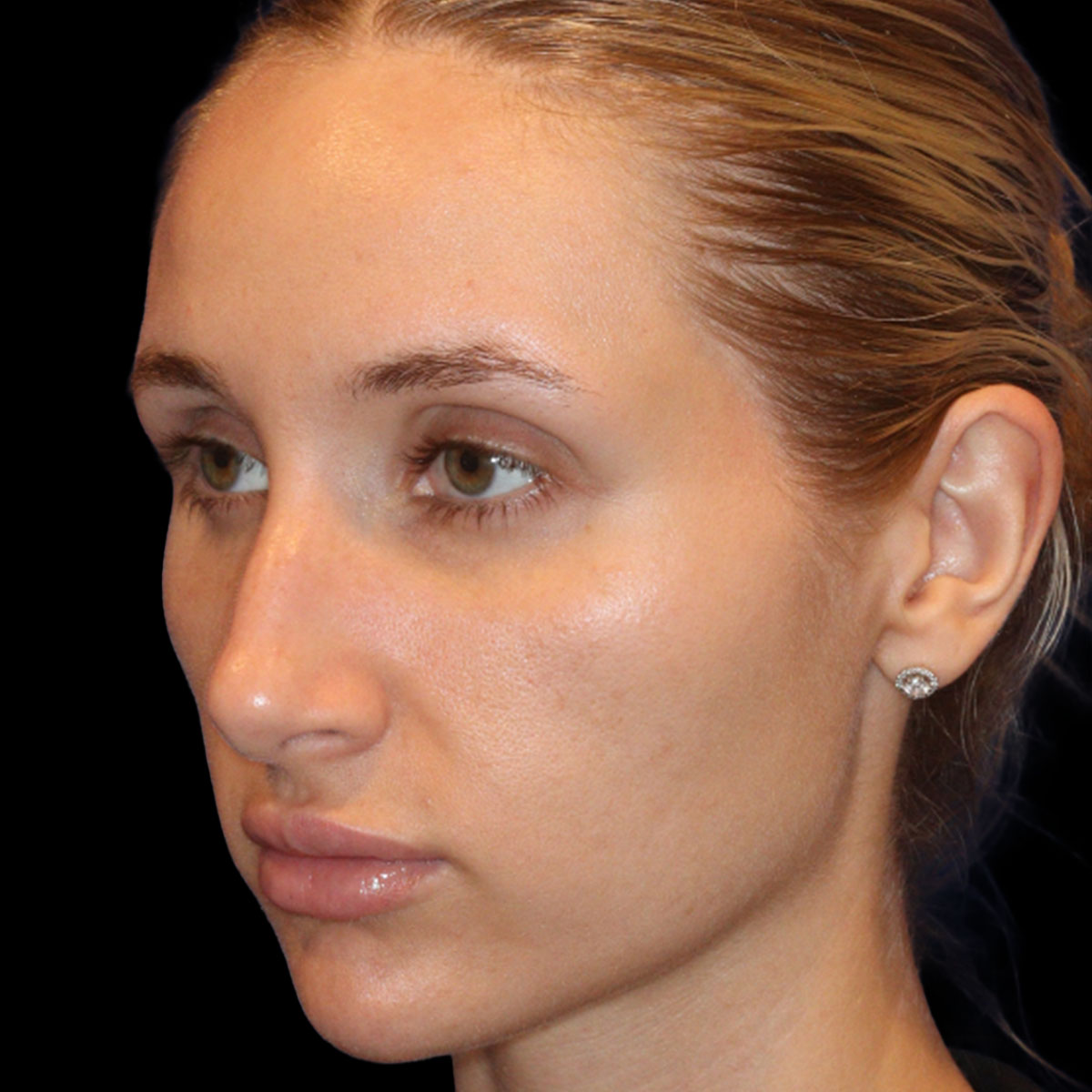
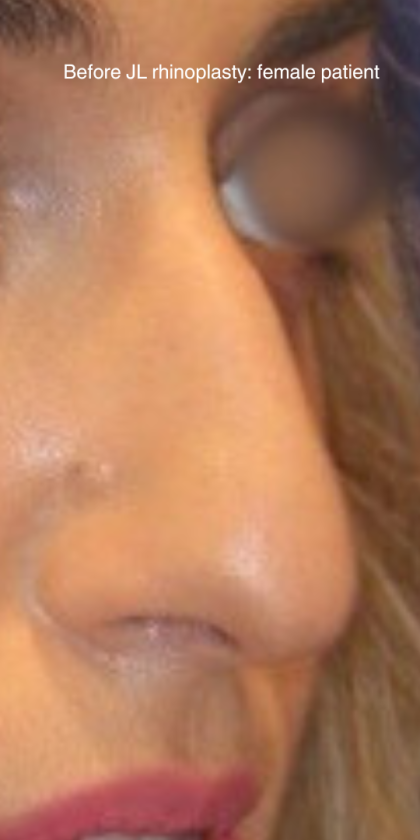
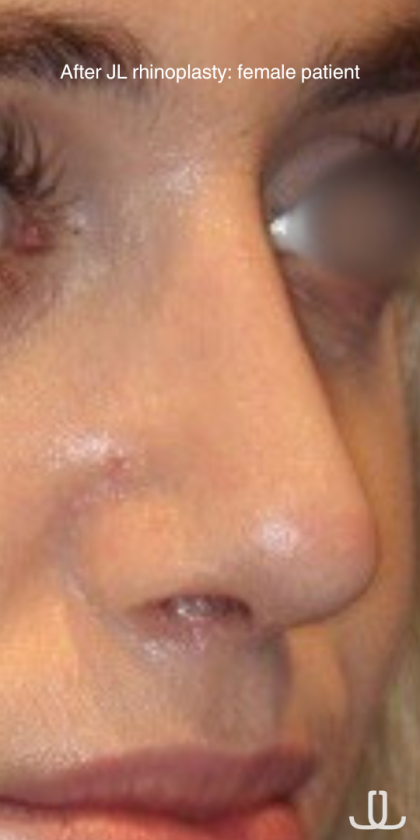
Before and After Photos


Types of Rhinoplasty
A rhinoplasty can serve for many reasons and is widely regarded as one of the most technically demanding procedures. There are different types of rhinoplasties, including functional, aesthetic, or septorhinoplasty. A functional rhinoplasty addresses issues such as nasal collapse, deviated septa, or airway obstruction to improve breathing. An aesthetic rhinoplasty enhances facial harmony by reshaping the nasal tip, correcting asymmetry, or reducing dorsal lumps. Many patients receive a combination of both (septorhinoplasty) to address functional and aesthetic concerns simultaneously. (1)
About Rhinoplasty Recovery
Your rhinoplasty procedure will create a nose you enjoy by surgically changing features, whether that be a straighter bridge, a reduced dorsal hump, or a more balanced nasal tip. It will also improve your self-esteem by enhancing your facial symmetry and improve overall function, like breathing, if a deviated septum was corrected during the procedure. (2) As a double board-certified surgeon and specialist in facial plastics, Dr. Levine carefully guides patients through their recovery. All patients receive detailed post-operative guidelines.
Though timelines vary with procedure details, individual concerns, type of rhinoplasty, and more, rhinoplasty recovery generally unfolds as follows:
First Three Days
Immediately after your rhinoplasty, you may experience heavy nasal congestion and mild to moderate discomfort along with swelling and bruising along the nose and eyes. Your nasal passages may feel completely blocked, which will feel similar to a severe cold or flu and force you to breathe through your mouth. The discoloration and bruising around the eyes will build rapidly but peak by the second day. You may also notice light oozing or bloodspotting from the nostrils, which is a normal side effect that will last about 48 hours. Additionally, you may also experience some grogginess, which is typically a residual effect from the anesthesia that may cause mild nausea, a headache, or general tiredness. To practice a smooth recovery, you must also elevate your head, apply cold compresses to the area, avoid blowing your nose (as pressure can disrupt healing), keep the cast dry, and eat soft foods.
Week 1
During your first week, and after the third day, swelling and bruising under your eyes and cheeks will typically peak, and your nose will feel significantly congested (at times causing a dry mouth). If this occurs, Dr. Levine recommends that you utilize a humidifier, administer saline spray, or drink small amounts of water, juice, or electrolytes throughout the day. After day five, bruising will begin to fade, shifting from a purple to a yellowish tint, and your swelling will begin to decrease. Around this time, Dr. Levine will have a follow-up appointment with you to remove the external splint and any non-dissolvable stitches.
Week 2
During week two of your rhinoplasty recovery, most of your visible bruising will fade and severe swelling will drop, allowing you to return to work and engage in light daily activities. As your facial puffiness drops significantly, your nose will still look and feel swollen, but congestion will improve as internal passageways begin to clear. At this time, you may also feel ready to go back to your desk job or school, and Dr. Levine encourages you to take short walks to enhance circulation without raising your heart rate too much. You must continue to avoid heavy lifting and strenuous exercises, wearing eyeglasses, and accidentally bumping your nose as it continues to heal.
Weeks 3 to 6
After your initial healing, most of your visible bruising and swelling will resolve, allowing you to return to your social routine and light exercises. About 70-80% of your overall swelling will subside by the sixth week, allowing your nasal congestion to clear significantly and normal nasal breathing to return. You will be looking and feeling more like yourself, and major contour changes from the procedure will become clearly visible. However, you should continue to avoid resting heavy glasses on your nose bridge and high-contact activities until Dr. Levine grants you clearance.
Months 2 to 12
During your second month of rhinoplasty recovery, the majority of your swelling will subside and your nose will appear more natural. The bridge of your nose may feel stiff and slightly numb, your nasal passageways will be mostly healed, any major bruising will subside, and any external incision lines will continue to fade. By the sixth month, your new nose shape will be mostly visible, as the most obvious swelling, including the swelling in your nasal tip, will subside. The contour of your tip and the bridge of your nose will continue to refine and tighten as your underlying tissues begin to settle. (3) You may also fully engage in physical exercises and contact sports.
After 12 full months of recovery, your nose will reach its near-final shape. You will notice the defined contour of your bridge and the definition of your nasal tip mostly settled and visible. Any numbness or stiffness will be largely gone, and flexibility will return to the tissues.
Final Results
After a successful recovery, your nose will appear more proportionate than before. It will align with your face’s natural features and enhance the bridge of your nose by creating an even line from your brow bone to your tip. (4) A rhinoplasty can also improve your breathing and overall nasal function. In many cases, this enhances quality of life with balanced, improved airflow through both nostrils. Because rhinoplasty makes surgical changes, results are generally permanent, meaning you can enjoy enhanced breathing and self-esteem for several years.
Cost of Rhinoplasty in New York City
The total cost of your rhinoplasty will vary based on the complexity of your concerns, the surgical techniques Dr. Levine will utilize, and the level of customization you will require. She will provide you with a detailed cost outline, along with a detailed procedure and recovery plan, during your personal consultation.
If you are ready to explore what you can achieve with rhinoplasty, or if any concerns arise during your recovery, contact us online or call our office at (212) 517-9400.
FAQ
How long will my recovery for rhinoplasty take?
After a rhinoplasty, it can take 6 to 12 months to see long-lasting and permanent results where your breathing will function more effectively and your nose structure will appear more even and proportionate. However, significant progress is made after the first few weeks post-procedure.
When will I be able to resume strenuous activities during my rhinoplasty recovery?
You will be able to resume strenuous physical activity after four to six weeks, however, you must wait at least three months before participating in any contact sport or risky physical activity.
Are the results from a rhinoplasty permanent?
Yes, the results of your rhinoplasty are generally permanent because the bone and cartilage in your nose will be permanently reshaped and/or repositioned.
What can help speed up my rhinoplasty recovery?
Keeping your head elevated, using cold compresses under your eyes and on your cheeks, avoiding strenuous activities and blowing your nose, as well as staying hydrated and eating healthy foods can help speed up your recovery process. Dr. Levine also advises that you also refrain from smoking or consuming alcohol.
How can I obtain the best rhinoplasty recovery and results?
You can obtain the best recovery and results from your rhinoplasty if you closely follow the specific and personalized postoperative instructions Dr. Levine will provide for you. This ensures that you protect your nose from any accidental trauma or movement that can interfere with your healing.
What should I do if I encounter any complications during my rhinoplasty recovery?
If you encounter significant, life-threatening complications, call 911 and go to your nearest hospital. For any other unforeseen complications, you can contact Dr. Levine at any time!
References
- Christophe, Jalkh RM, Semaan ZM, Daou AM. Outcomes of Open Versus Closed Rhinoplasty, a Systematic Review and Meta-analysis. Plastic & Reconstructive Surgery Global Open. 2025;13(8):e7047-e7047. doi:10.1097/gox.0000000000007047
- Villarroel PP, Langdon C, Arancibia-Tagle D. Improving Postsurgical Management of Rhinoplasty: A Comprehensive Review of Existing Literature. Facial plastic surgery: FPS. Published online 2025:10.1055/a-2533-2651. doi:10.1055/a-2533-2651
- Apaydin F, Stanic L, Saleh H, Unadkat S. Postoperative Care in Aesthetic Rhinoplasty Patients. Facial Plastic Surgery. 2018;34(06):553-560. doi:10.1055/s-0038-1676379
- Ferreira TVF, Fernandes ALC, Espósito MP. Importance of psychological follow-up in rhinoplasty. Braz J Otorhinolaryngol. 2025;91(1):101498. doi:10.1016/j.bjorl.2024.101498