


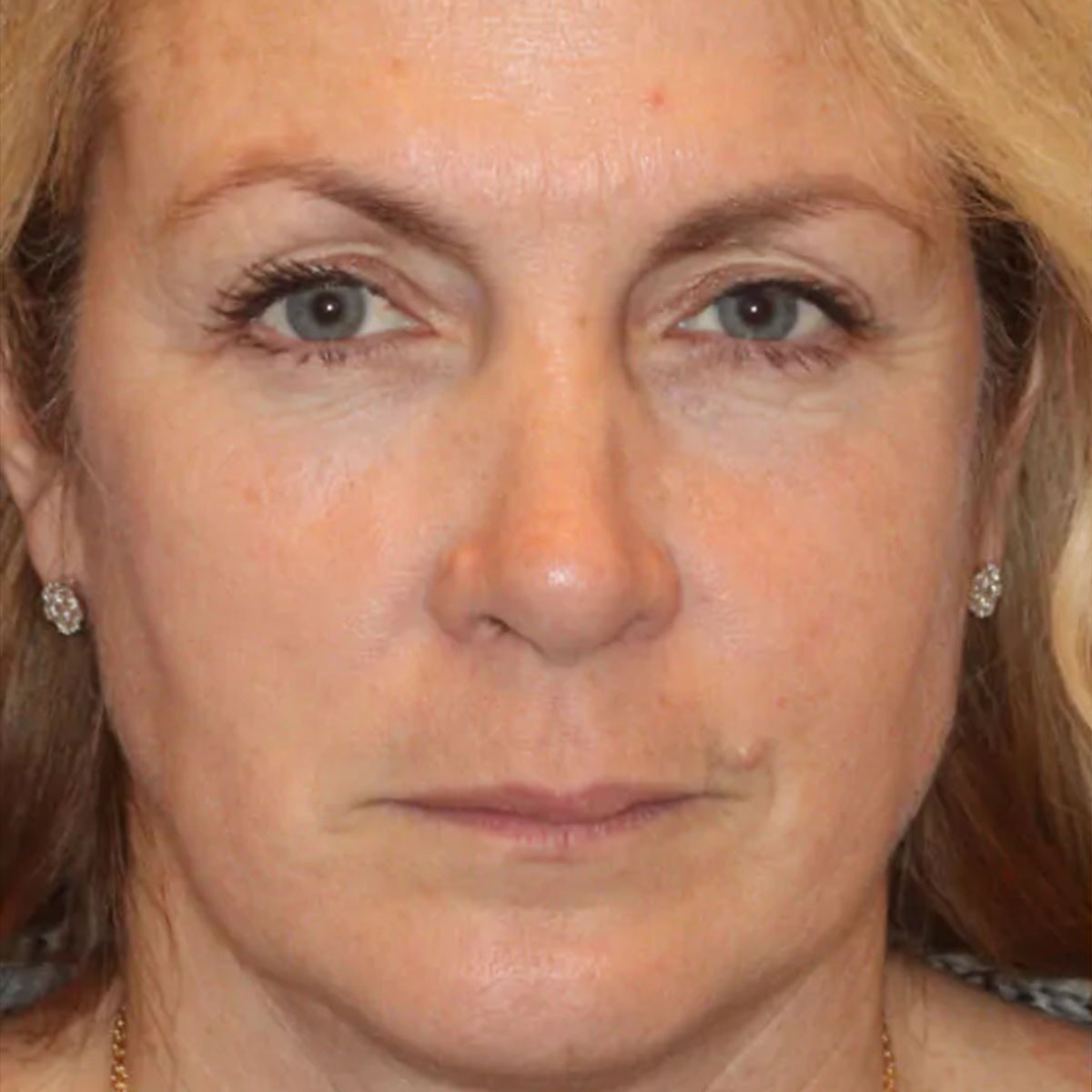
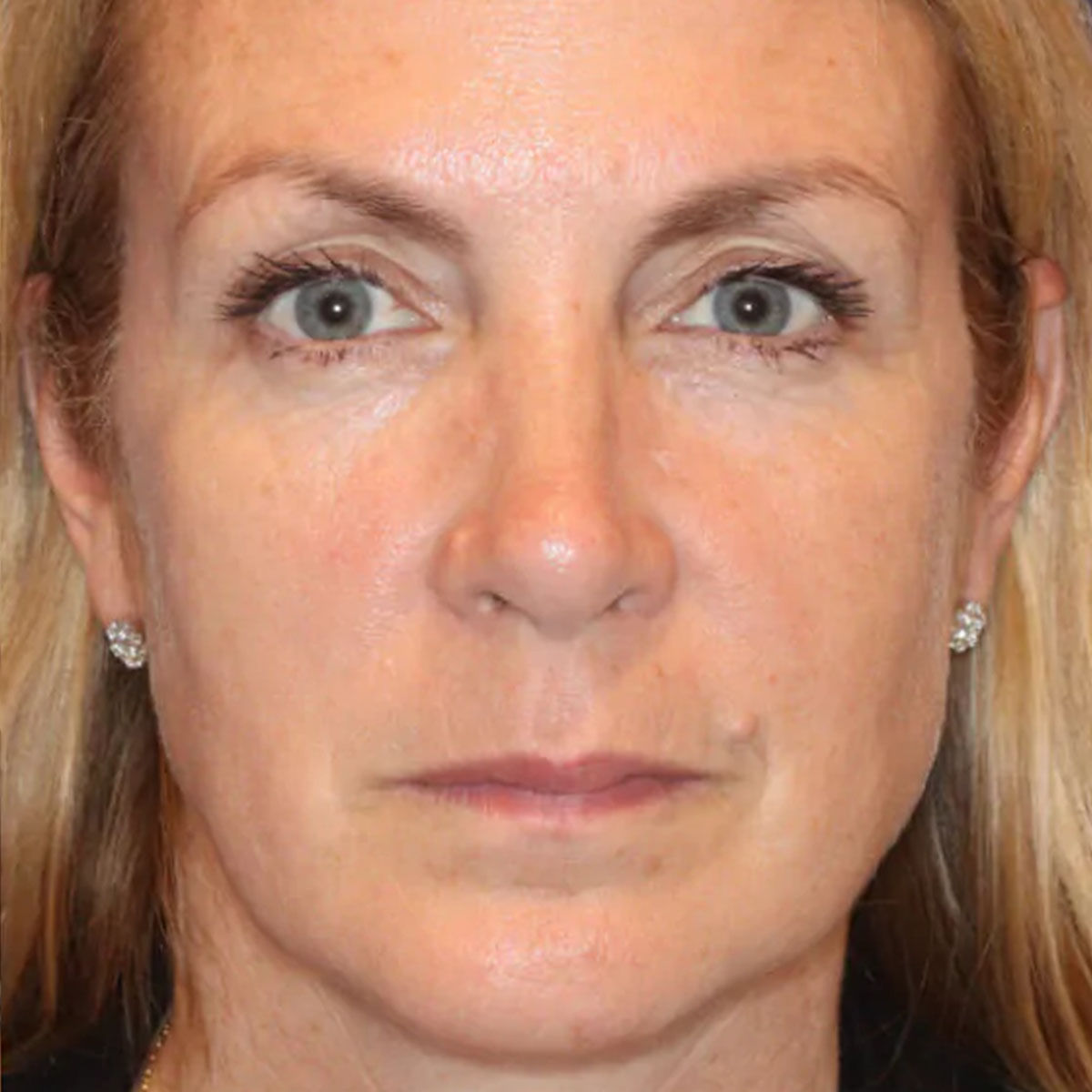
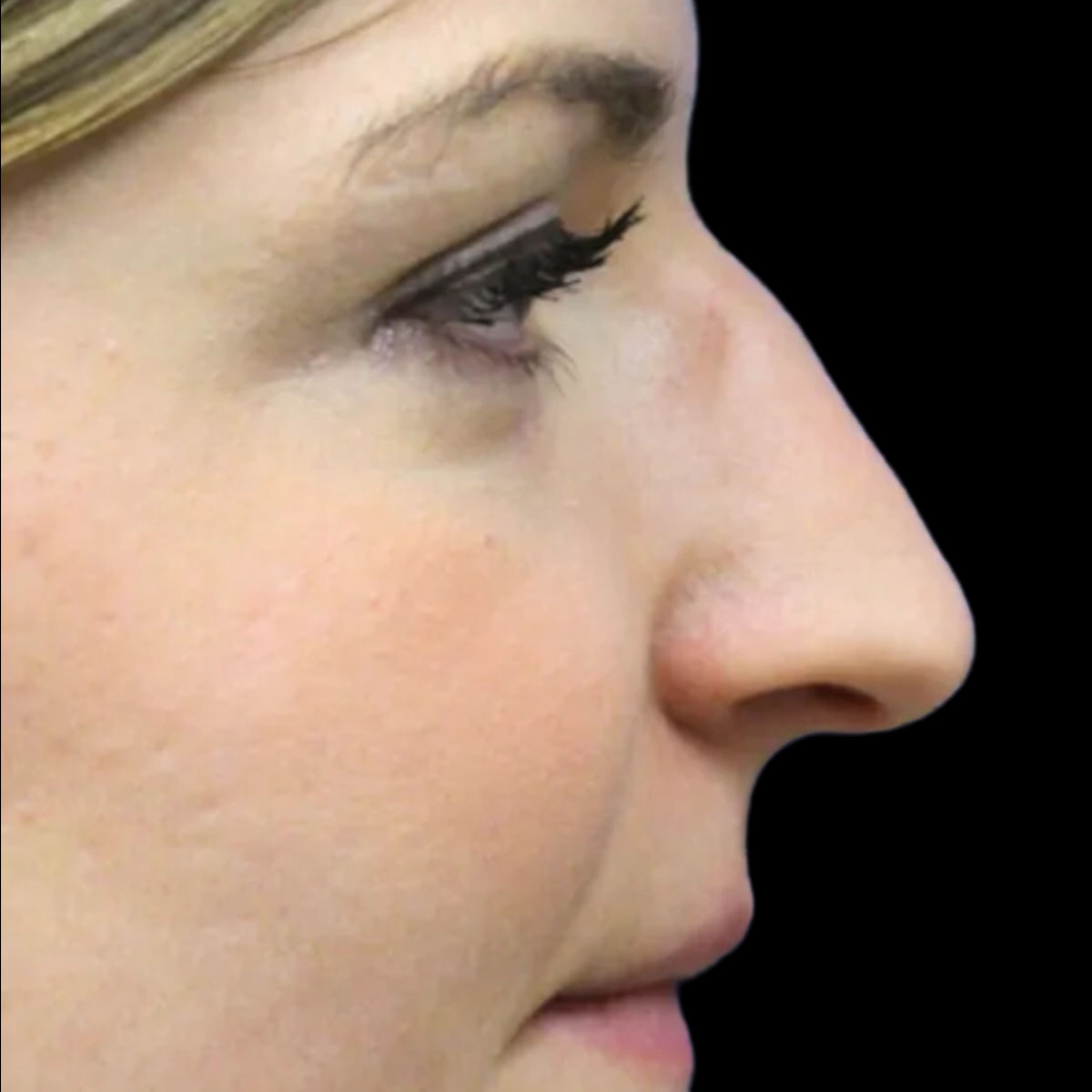
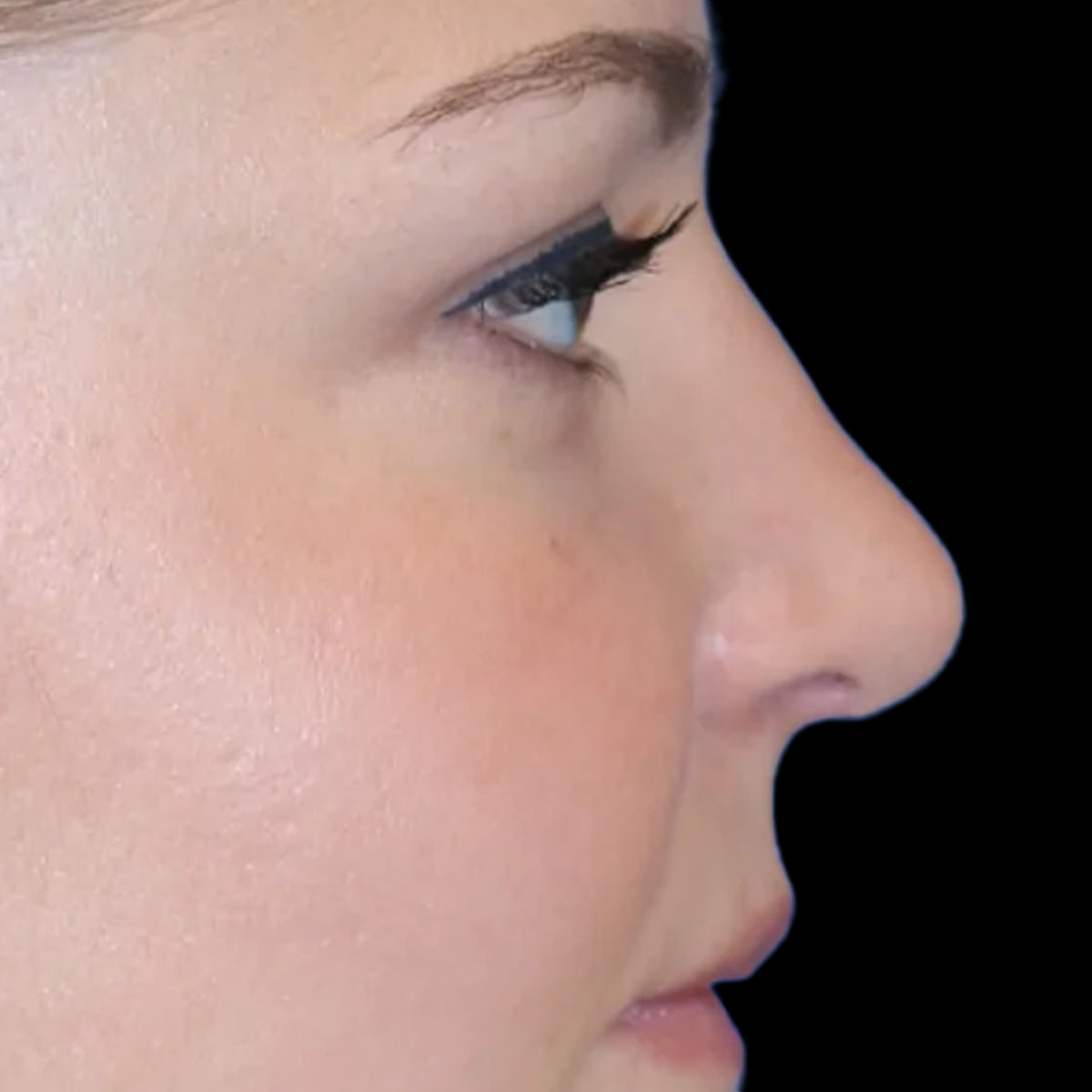
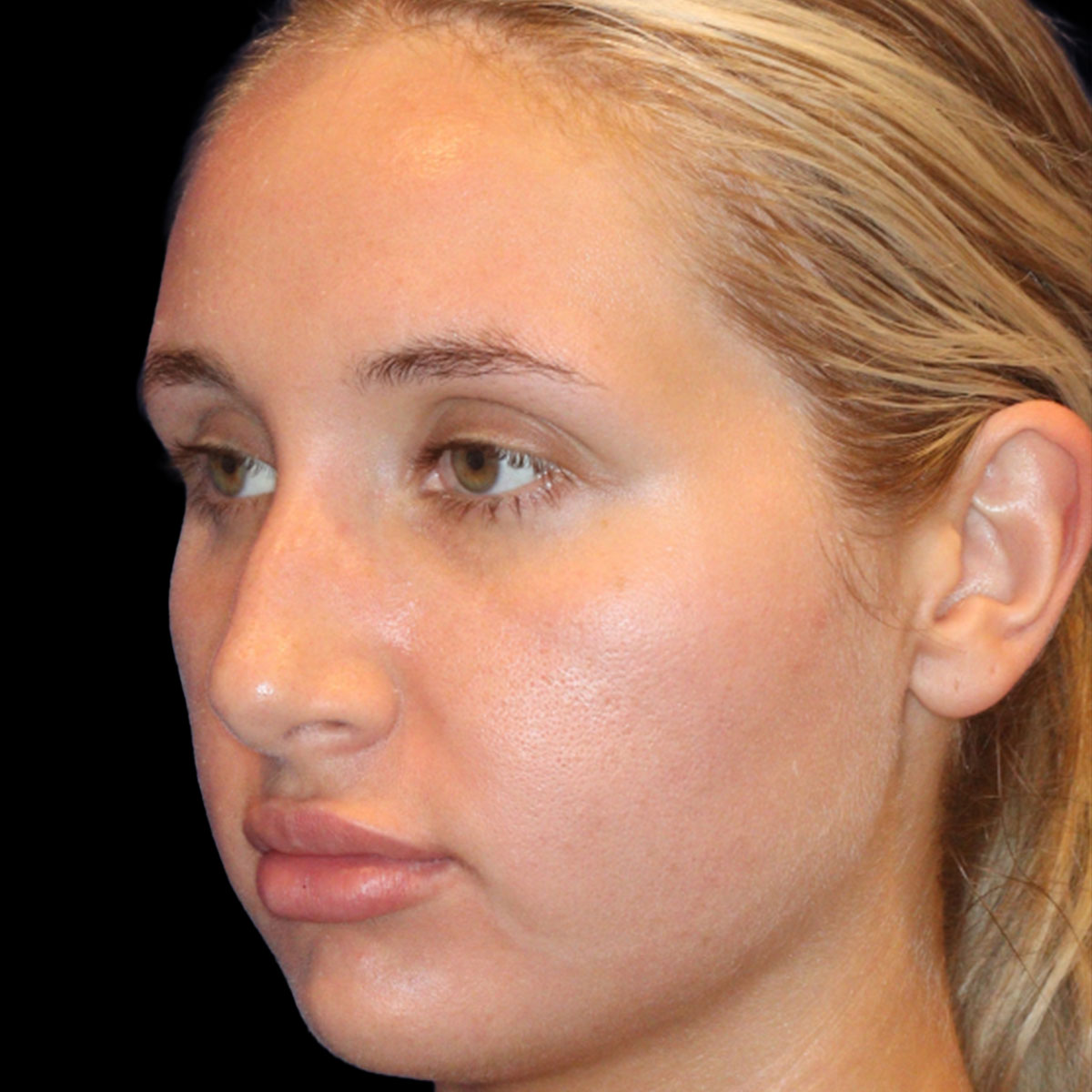
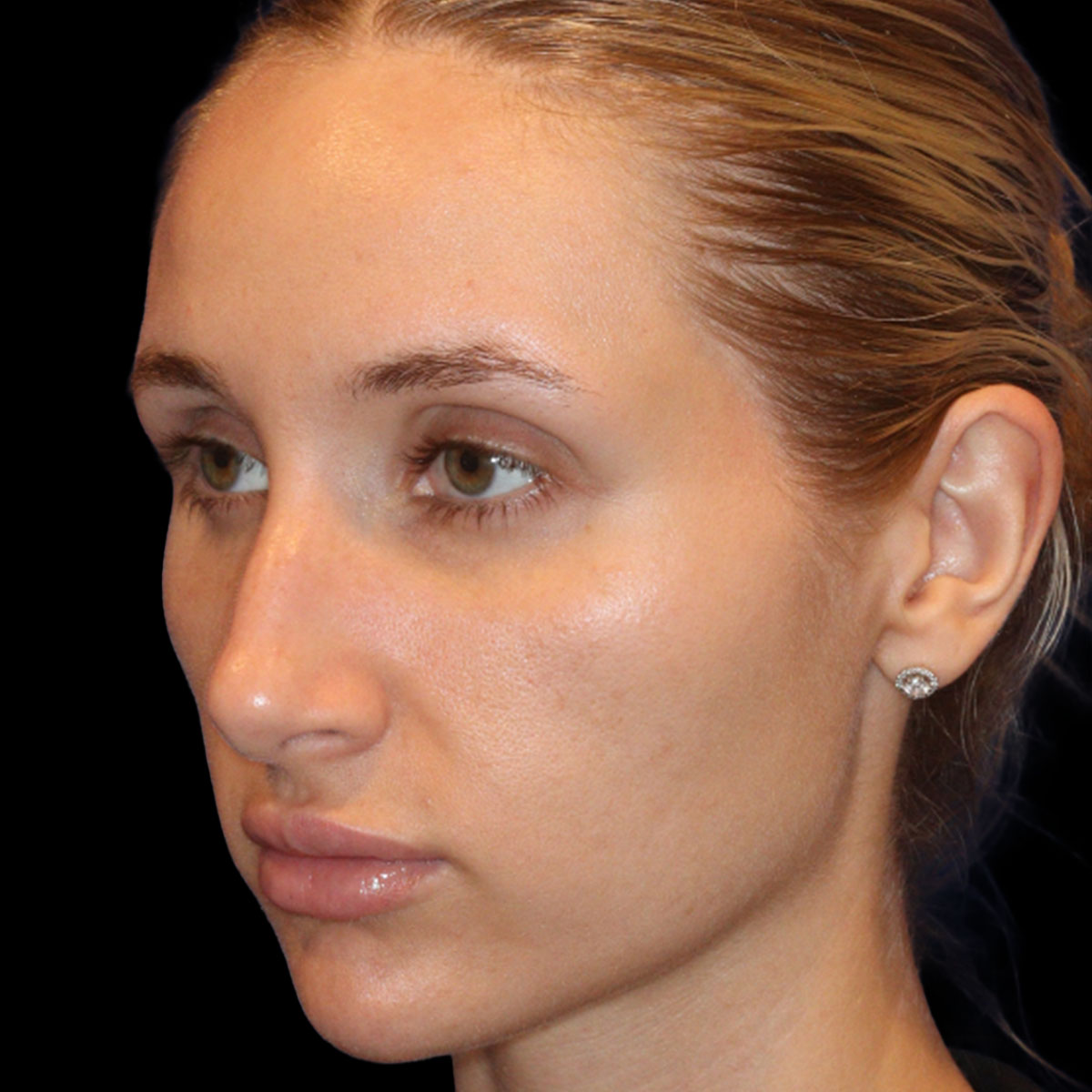

For patients seeking facial rejuvenation, few procedures are as powerful—or as misunderstood—as the facelift. A facelift isn’t just about tightening skin—and it doesn’t address the entire face.
Dr. Jennifer Levine performs highly customized facelift procedures that address the lower two-thirds of the face: the midface, lower cheeks, jawline, and neck. Everything above that—such as heaviness in the brows or upper eyelid skin—requires a separate approach, like a brow lift or blepharoplasty.
A modern facelift goes deeper than the surface. Dr. Levine uses deep plane entry, vertical midface lift vectors, and internal neck support to restore natural structure—not create artificial tightness. The result is a refreshed, balanced appearance that still looks entirely like you.
Contents
What a Facelift Addresses
Despite the name, a facelift does not lift the entire face. It typically includes:
- Midface: the cheeks and tissue below the eyes
- Lower face: the jawline and area around the mouth
- Neck: from under the chin to the base of the throat
A facelift does not treat the:
- Forehead or brow (addressed with a brow lift)
- Upper or lower eyelids (addressed with upper or lower blepharoplasty)
- Volume loss or skin tone issues (often treated with filler, lasers, or regenerative procedures)
This distinction matters, especially for patients concerned about specific areas. During your consultation, Dr. Levine will help you understand whether your goals require a facelift, or a custom combination of treatments or surgical procedures.
Where Rejuvenation Actually Begins
Older facelift techniques focused primarily on the skin, lifting and redraping it to smooth out laxity. While that offered temporary improvement, it often ignored the deeper shifts happening beneath the surface: the descent of facial fat pads, the stretching of connective tissue, and the weakening of foundational support.
Dr. Levine takes a layered, anatomy-driven approach to facial rejuvenation. For patients with more advanced laxity, she may perform a deep plane facelift, accessing the area beneath the SMAS (Superficial Musculoaponeurotic System) to release key ligaments and reposition facial support structures. (1) Hidden incisions around the ear and hairline allow Dr. Levine to reposition the deeper tissues—not just pull the skin—restoring natural structure without tension.
This deeper lift addresses visible jowling, softens nasolabial heaviness, and redefines the jawline with less tension on the skin. Because the skin follows the repositioned internal structure, the result looks natural and heals smoothly.
At the same time, not every patient requires a deep plane dissection. For those with earlier signs of aging—typically in their 40s or early 50s—or patients seeking more subtle refinement, Dr. Levine may recommend a mini facelift. This procedure focuses on the lower face, using shorter incisions and more conservative internal adjustment. It may include SMAS plication (folding and securing the SMAS layer) or limited elevation, without the full ligament release required in a deep plane lift. A mini facelift is ideal for addressing early jowling or mild contour changes without significant downtime.
The Midface and the Importance of Vertical Lifting
The midface—the area beneath the eyes and across the cheeks—ages differently from the jawline or neck. As soft tissues descend, volume shifts downward, leading to flattened cheeks, under-eye hollowing, and deeper smile lines. Trying to correct this with horizontal pulling can distort the natural proportions of the face and often leaves the midface looking tight or flattened.
To restore height without overfilling, Dr. Levine uses a vertical lifting approach. In appropriate candidates, she accesses the midface either through small endoscopic incisions in the temple or, in more advanced cases, through a hidden incision inside the upper lip (intraoral access). This allows for direct release of the midfacial retaining ligaments and precise repositioning of structures like the SOOF (suborbicularis oculi fat) and malar fat pads. (2)
By lifting the cheeks vertically rather than laterally, Dr. Levine can restore cheek projection, smooth the transition between the lower eyelid and the cheek, and soften the nasolabial area—all without creating puffiness or artificially rounded contours.
Refining the Jawline and Neck
The jawline and neck often age together, and restoring one without the other can leave the results looking incomplete. As the platysma muscle, which spans from the chest into the lower face, begins to weaken and separate, it creates visible changes: vertical neck bands, submental fullness, and loss of jawline definition.
To address these changes, Dr. Levine may incorporate internal platysmal suspension into the lower facelift. This technique uses carefully placed sutures—sometimes described as a hammock lift or purse-string support—to draw the platysma back into alignment and restore tension where it’s been lost.
By working from within rather than relying on skin tension, this method preserves a natural neckline and allows the jawline to appear cleaner and more supported. When combined with either a deep plane or mini facelift, it creates a seamless transition from the face to the neck—without sharp edges, bunching, or that overly “pulled” appearance.
What a Facelift Doesn’t Do—and What Complements It
Because facelifts are focused on the midface and below, they do not improve:
- Forehead heaviness or brow descent – These are best addressed with a brow lift, which repositions the brows to their original height and contour.
- Excess skin or puffiness in the eyelids – These require upper or lower blepharoplasty.
- Fine lines, pigmentation, or skin quality – These may benefit from lasers, peels, or regenerative treatments like exosomes or PRP.
Dr. Levine often combines procedures to deliver comprehensive yet natural results, tailoring the plan to your anatomy and goals—not a one-size-fits-all protocol.
The Difference in Dr. Levine’s Approach
| Focus Area | Outdated Methods | Dr. Levine’s Technique |
| Midface | Pulled back | Elevated vertically from within |
| Lower Face | Surface lift | Deep plane repositioning |
| Neck | Skin tightening | Internal platysmal support |
| Upper Face | Often ignored or overdone | Addressed separately, when indicated |
| Healing | Tense skin, swelling | Natural drape, preserved tissue integrity, regenerative products to minimize scarring |
Begin with a Personalized Consultation
If you’re starting to see changes in your midface, jawline, or neck—and you’re ready to explore a lasting solution—Dr. Levine will guide you through what’s possible, what’s necessary, and what’s not.
As a double board-certified facial plastic surgeon with two decades of experience, she combines technical precision with aesthetic restraint to deliver results that enhance, not overpower.
Schedule your NYC facelift consultation today and learn whether a deep plane facelift, midface lift, or comprehensive facial rejuvenation is the right next step.
References
- Raggio BS, Patel BC. Deep Plane Facelift. PubMed. Published 2021. https://www.ncbi.nlm.nih.gov/books/NBK545277/
- Jacono A, Bryant LM. Extended Deep Plane Facelift. Clinics in Plastic Surgery. 2018;45(4):527-554. doi:https://doi.org/10.1016/j.cps.2018.06.007