


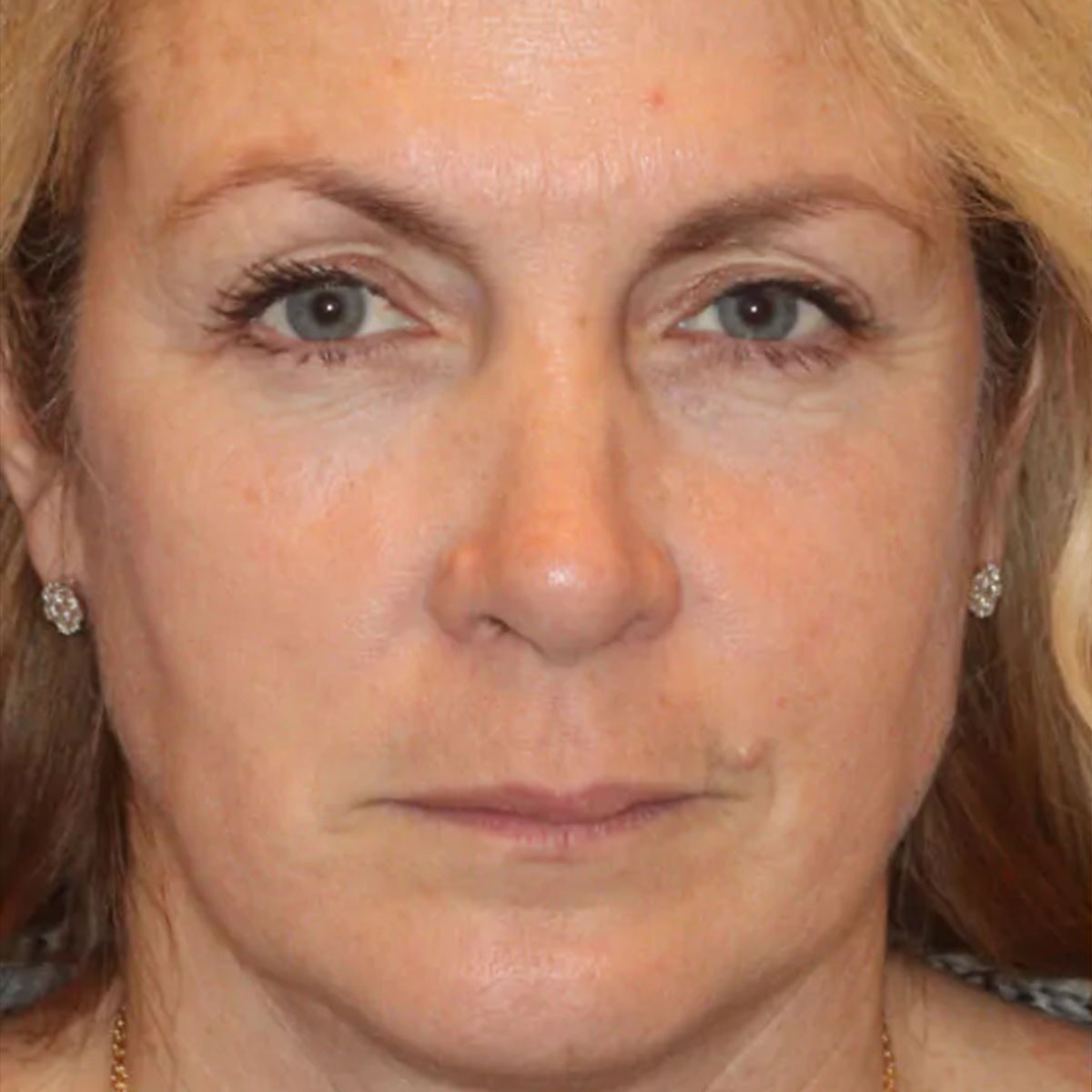
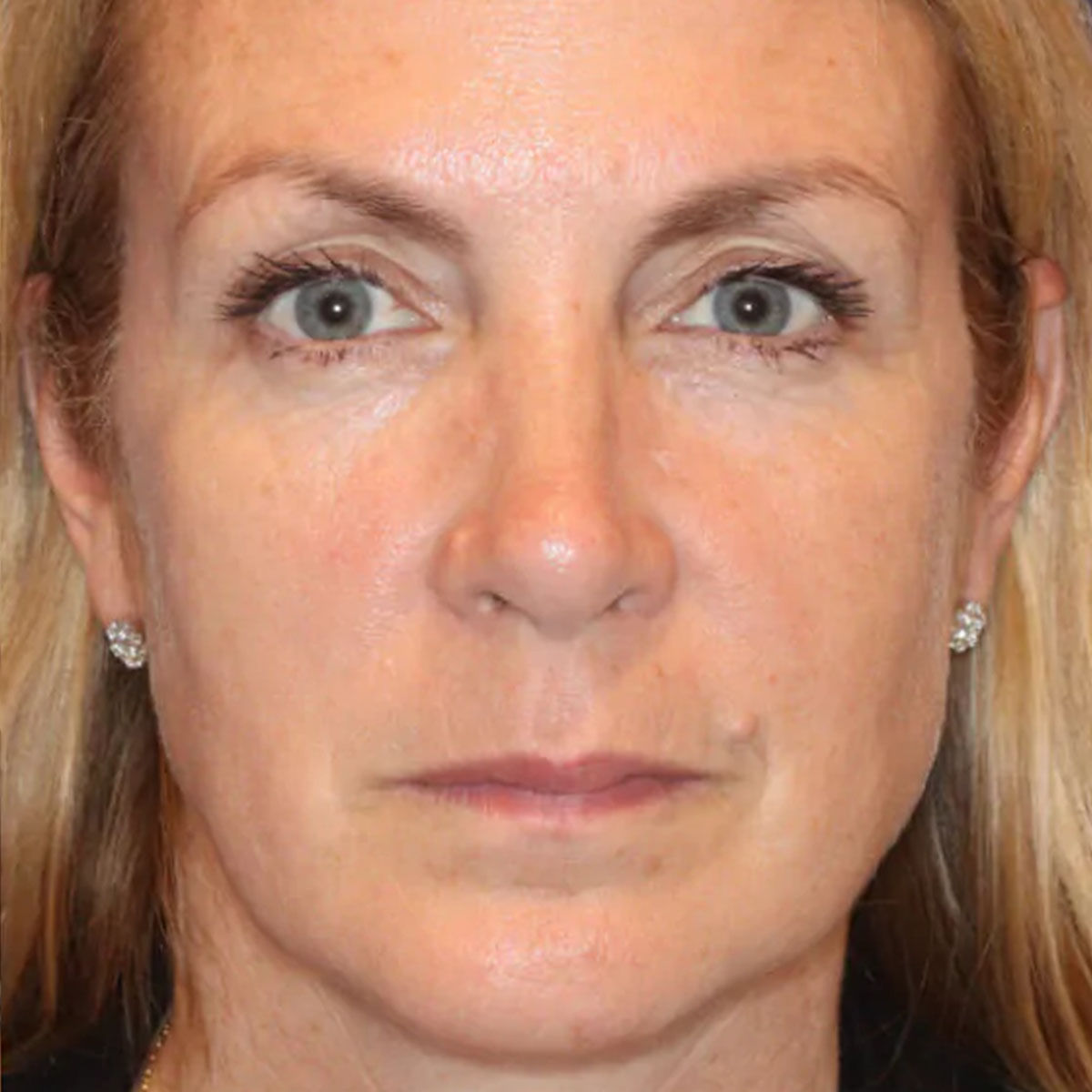
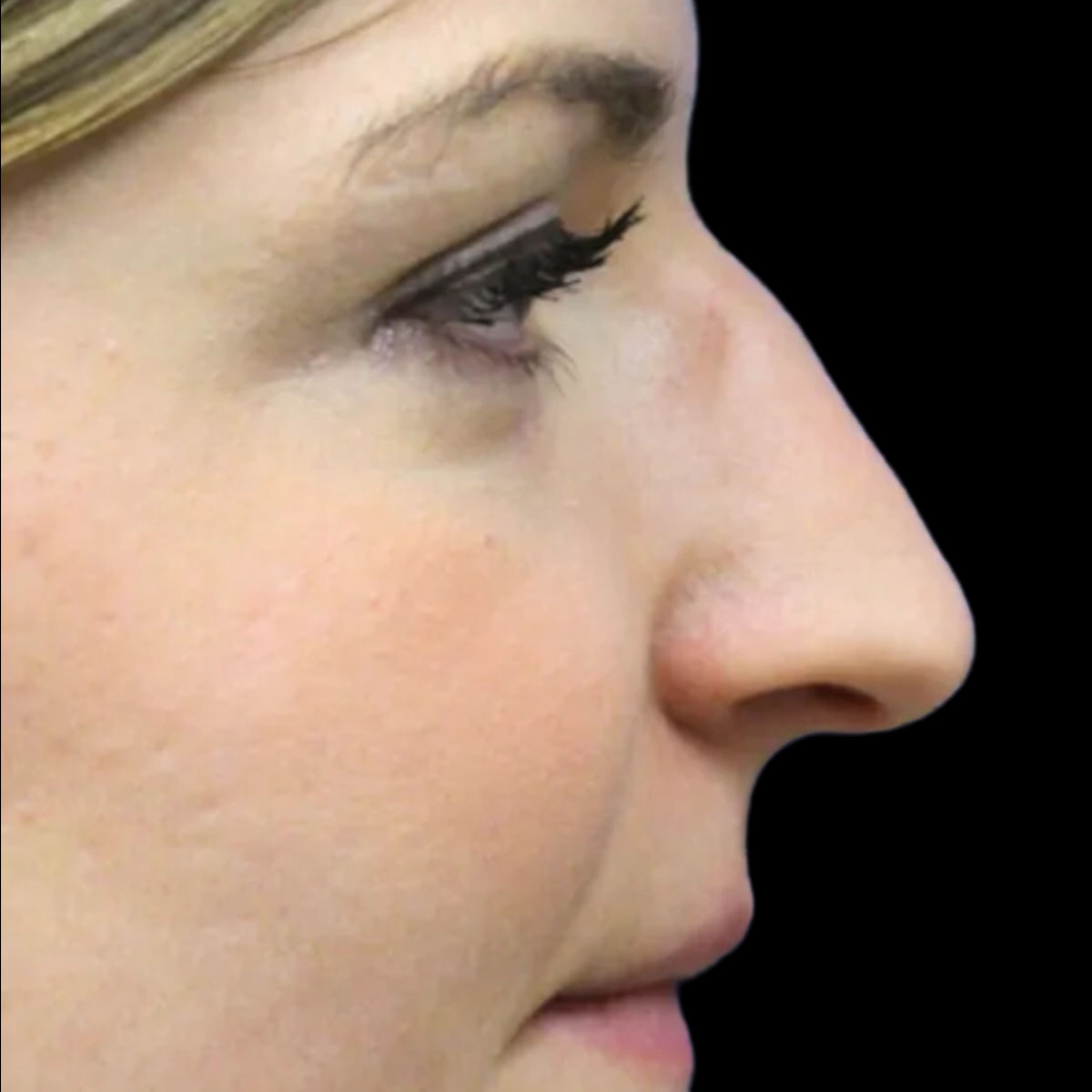
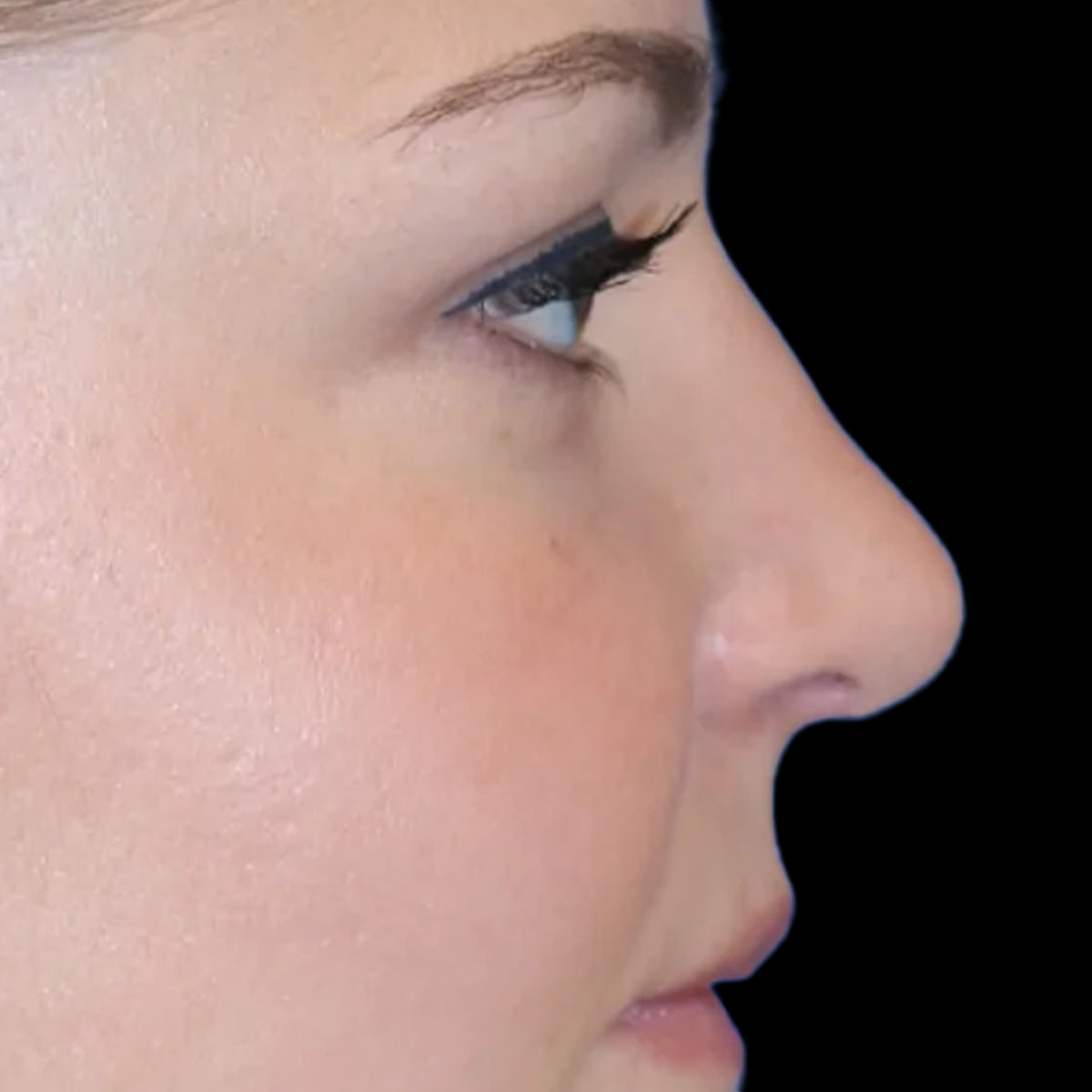
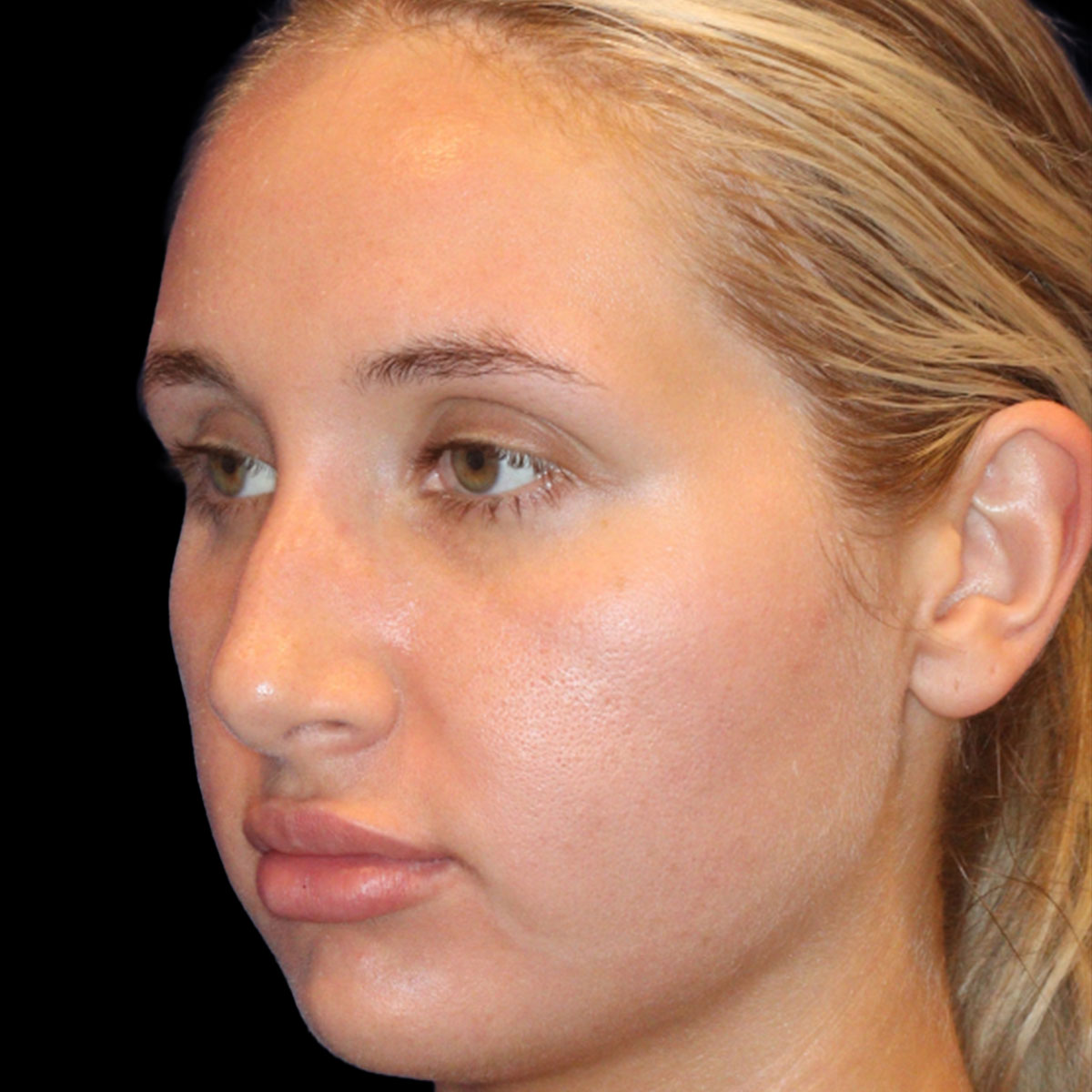
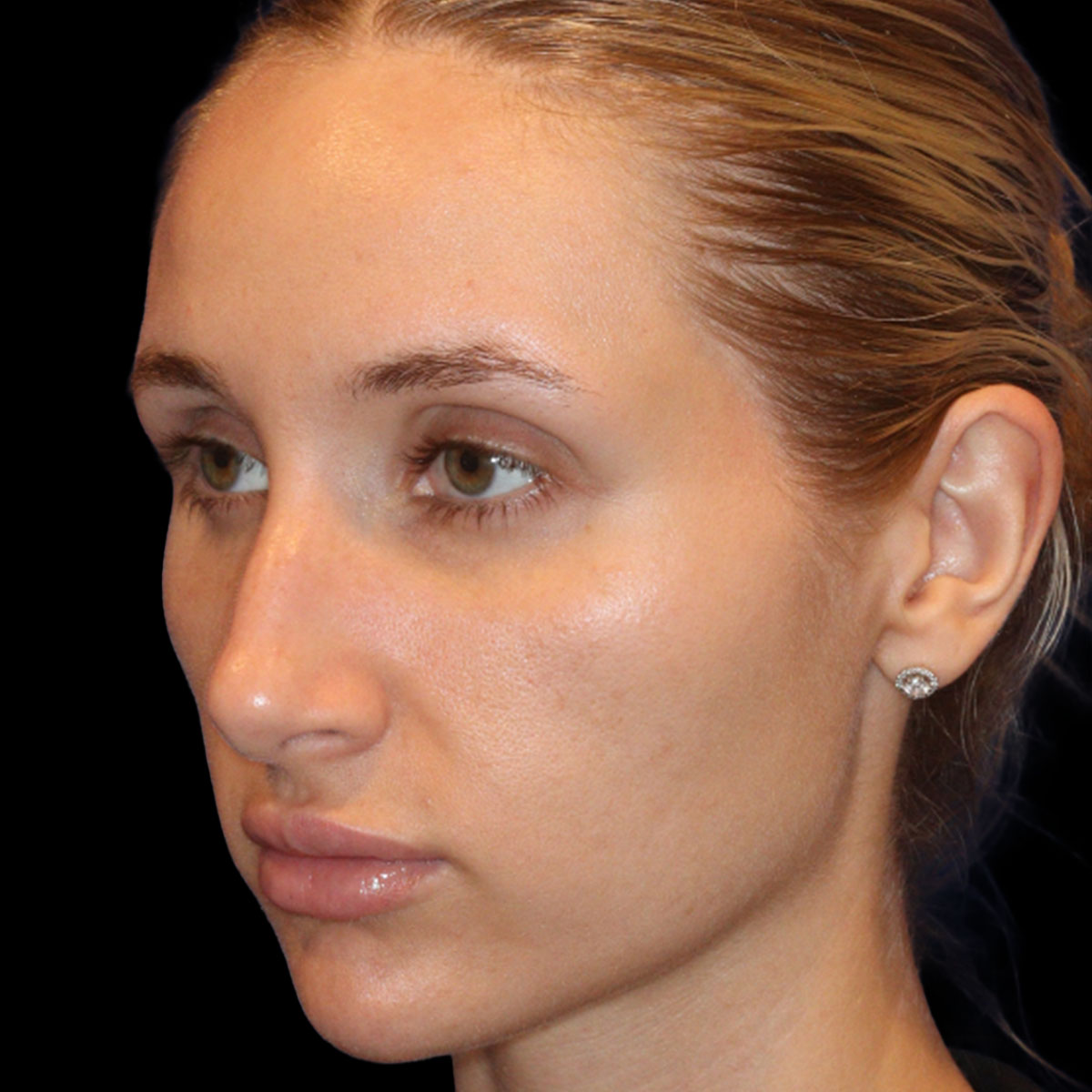

In facial plastic surgery, the best results often come from what you don’t see—no obvious pull, no overfilled cheeks, no sharp transitions between face and neck. Just a refreshed version of you.
For patients showing noticeable aging in the lower face and neck, achieving that natural look usually begins beneath the surface of the skin.
More specifically, it starts with the SMAS layer and the right skilled hands guiding the lift.
Dr. Jennifer Levine is double board-certified in Facial Plastic and Reconstructive Surgery and Otolaryngology–Head and Neck Surgery, giving her exceptional insight into both the face and its underlying anatomy.
As a facelift expert, Dr. Levine has a deep understanding of the SMAS layer and all its complexities—knowledge that’s essential for delivering natural, lasting results.
To contact our NYC office and schedule an appointment, you can fill out our online form or give us a call at (212) 517-9400.
Contents
- 1 What Is the SMAS, and Why Does It Matter?
- 2 What Happens During a SMAS Facelift?
- 3 When We Use the SMAS Technique
- 4 Who Is a Candidate?
- 5 SMAS Facelift vs. Mini Facelift: What’s the Difference?
- 6 What to Expect After Surgery
- 7 Why Experience Matters
- 8 Cost of a SMAS Facelift in NYC
- 9 Let’s Talk About What’s Possible
- 10 References
What Is the SMAS, and Why Does It Matter?
SMAS stands for Superficial Musculoaponeurotic System. It is a connective tissue layer just under the skin that links your facial muscles to your skin. (1) In other words, it is the structure that helps keep everything where it should be.
With age, the SMAS shifts, sags, and pulls downward. This is when patients start to notice jowls, heaviness in the midface, or a loss of definition along the jawline. While non-surgical skin-tightening procedures offer some improvement, true rejuvenation often comes from directly addressing the underlying SMAS layer.
What Happens During a SMAS Facelift?
During surgery, the skin is gently lifted to expose the SMAS layer underneath. That deeper layer is then repositioned, tightened, or both, depending on your anatomy and goals. Only then is the skin redraped. And because the lift is happening beneath the surface, the skin does not need to be pulled tight.
The result?
- A cleaner jawline
- Lifted cheeks
- A more balanced, rested look
- And importantly, facial movement that still feels like you
Incisions are typically placed around the ears and concealed in the hairline. With proper healing, they fade into the background.
When We Use the SMAS Technique
At our practice, we don’t believe in overcorrecting. We believe in restoring structure—subtly, precisely, and with respect for the face’s natural proportions. The SMAS facelift allows us to do just that.
Because it works below the skin, it offers:
- Stronger, longer-lasting results (often 10+ years)
- Support for midface and neck in a single procedure
- More natural healing, with less surface tension
- Freedom to express yourself without stiffness or distortion
In patients with more significant laxity, Dr. Levine may recommend a deep plane facelift. This technique addresses layers beneath the SMAS, including the deeper fat pads and connective tissue. (2)
Who Is a Candidate?
There’s no perfect age to start considering a facelift, but the SMAS facelift is often a strong choice for men and women starting in their late 30s who notice:
- Jowls or softening at the jawline
- Sagging in the midface
- Loose skin or bands in the neck
- A desire for lasting improvement, not just temporary tightening
During your consultation, we will talk through your specific anatomy, what is driving the changes you’re seeing, and whether the SMAS technique aligns with your goals.
SMAS Facelift vs. Mini Facelift: What’s the Difference?
Some patients come in feeling like things just don’t look quite as sharp as they used to—maybe it’s a little softening near the jawline, a hint of jowling, or a general shift in definition. In those cases, Dr. Levine may recommend a mini facelift. This targeted procedure is typically focused on the lower face, with shorter incisions. It offers a quicker recovery, as less tissue needs to be repositioned.
Whereas SMAS pertains to the technique, “mini” refers to the size of the area being addressed. Dr. Levine looks at how your face has changed, how much movement there is in the deeper tissues, and what kind of result will look—and feel—most like you.
What to Expect After Surgery
Most patients are back to social activities within 10–14 days. There is typically some swelling and bruising for the first week, and a feeling of tightness as the tissues settle. But because the tension is beneath the skin—not on the surface—healing is smoother, and the result looks far more natural.
We’ll guide you through every step of the process, including how to prepare for surgery, what to expect during recovery, and how to support your skin long-term.
Why Experience Matters
The SMAS facelift is not a one-size-fits-all procedure. The angle of lift, the amount of SMAS repositioning, and whether or not the neck is addressed—all these considerations should be tailored to your facial anatomy.
As a double board-certified facial plastic surgeon, Dr. Levine brings over two decades of surgical experience and a deep understanding of facial balance to every case. Her goal is never to make you look like someone else—it’s to bring your features back into focus in the most natural, elegant way possible.
Cost of a SMAS Facelift in NYC
The cost of a SMAS facelift may vary depending on each patient’s unique needs.
During your consultation, Dr. Levine will carefully evaluate your facial anatomy and listen to your aesthetic goals to create a personalized treatment plan. After this step, you’ll receive a cost estimate.
Let’s Talk About What’s Possible
If you’re starting to feel like your face no longer reflects how you feel—or if non-surgical treatments just aren’t giving you the lift they used to—a consultation can help clarify the next step.
You will leave with a clear understanding of what’s happening structurally, what a SMAS lift can and can’t do, and whether it’s the right time to be considering a facelift.
Fill out our online form or call (212) 517-9400 to schedule your consultation with Dr. Levine.
References
- del Toro E, Aldrich J. Extended SMAS Facelift. PubMed. Published 2021. https://www.ncbi.nlm.nih.gov/books/NBK562296/
- Raggio BS, Patel BC. Deep Plane Facelift. PubMed. Published 2021. https://www.ncbi.nlm.nih.gov/books/NBK545277/