

African American Rhinoplasty
Conveniently located to serve the areas of New York, NY

African American rhinoplasty is a specialized approach designed to refine nasal features while preserving the unique anatomical characteristics commonly found in individuals of African descent. (1) For those who are seeking changes to the nose without compromising their heritage or facial harmony, this procedure can offer meaningful improvements in contour and symmetry.
Dr. Jennifer Levine is double-board certified by the American Board of Facial Plastic and Reconstructive Surgery and the American Board of Otolaryngology. With more than two decades of expertise in facial aesthetics and reconstructive surgery, Dr. Levine has helped thousands of patients enhance their appearance while prioritizing safety, anatomical accuracy, and individualized results.
Patients interested in African American rhinoplasty can schedule a consultation with Dr. Levine by contacting the office online or calling (212) 517-9400.
Contents
- 1 About African American Rhinoplasty
- 2 Ideal Candidates
- 3 Personal Consultation
- 4 Preparation
- 5 Procedure
- 6 Recovery
- 7 Results
- 8 Corresponding and Combination Procedures
- 9 Cost of African American Rhinoplasty in New York City
- 10 FAQ
- 10.1 What makes African American rhinoplasty different from standard rhinoplasty?
- 10.2 Will my nose still look natural after surgery?
- 10.3 How long does rhinoplasty take?
- 10.4 Will I be under general anesthesia for rhinoplasty?
- 10.5 Can African American rhinoplasty correct breathing issues?
- 10.6 Are rhinoplasty results permanent?
- 10.7 How do I know if I am a good candidate for African American rhinoplasty?
- 11 References
About African American Rhinoplasty
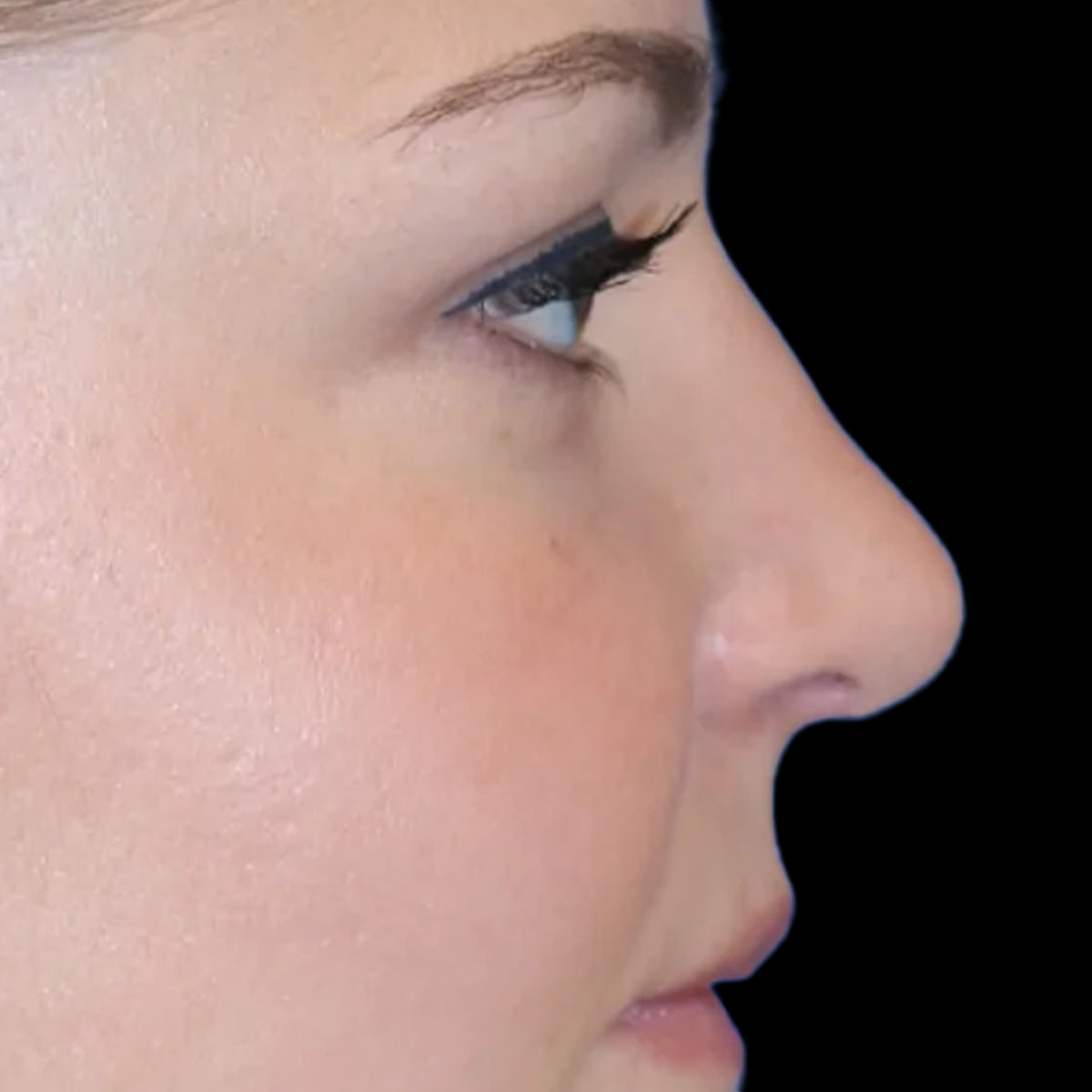
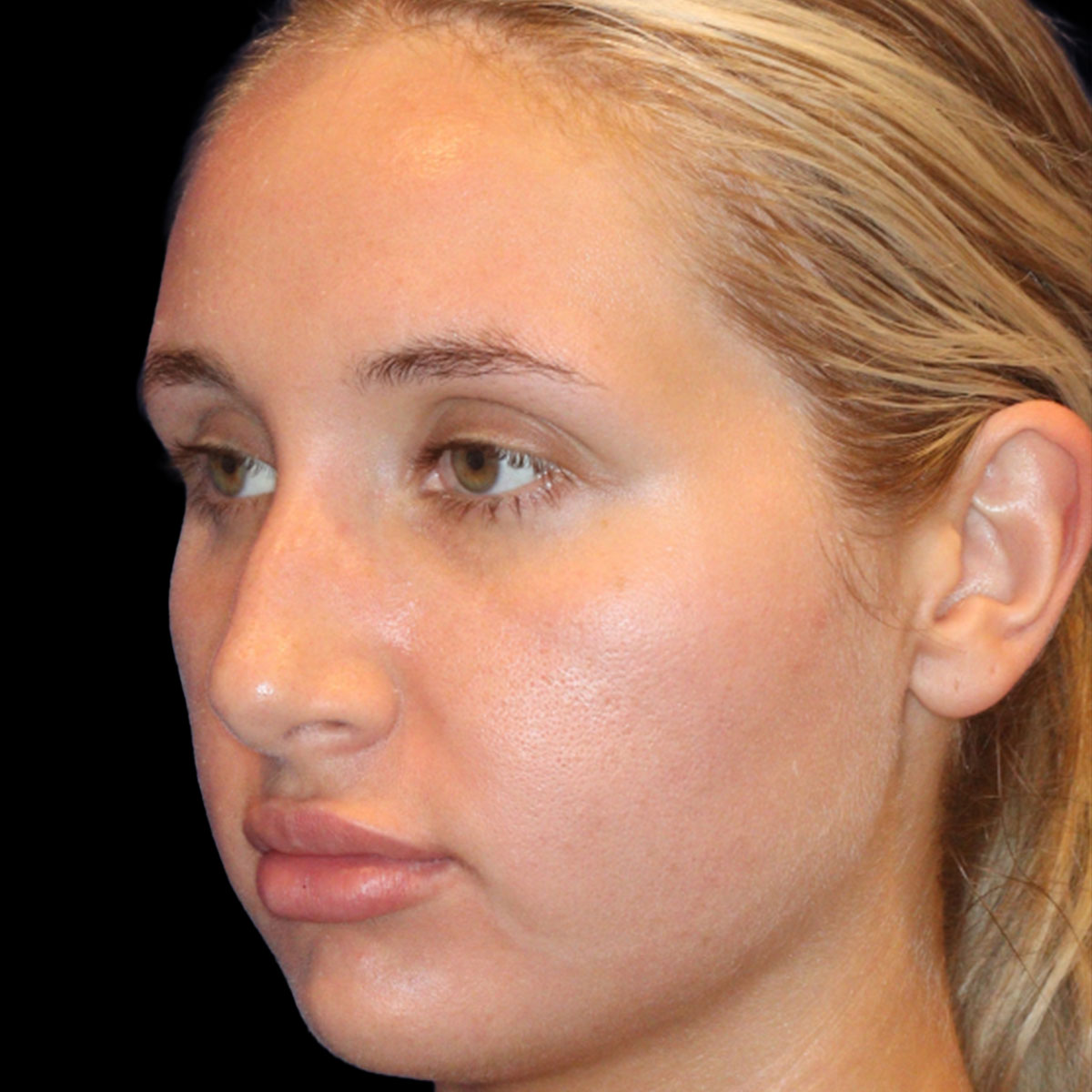
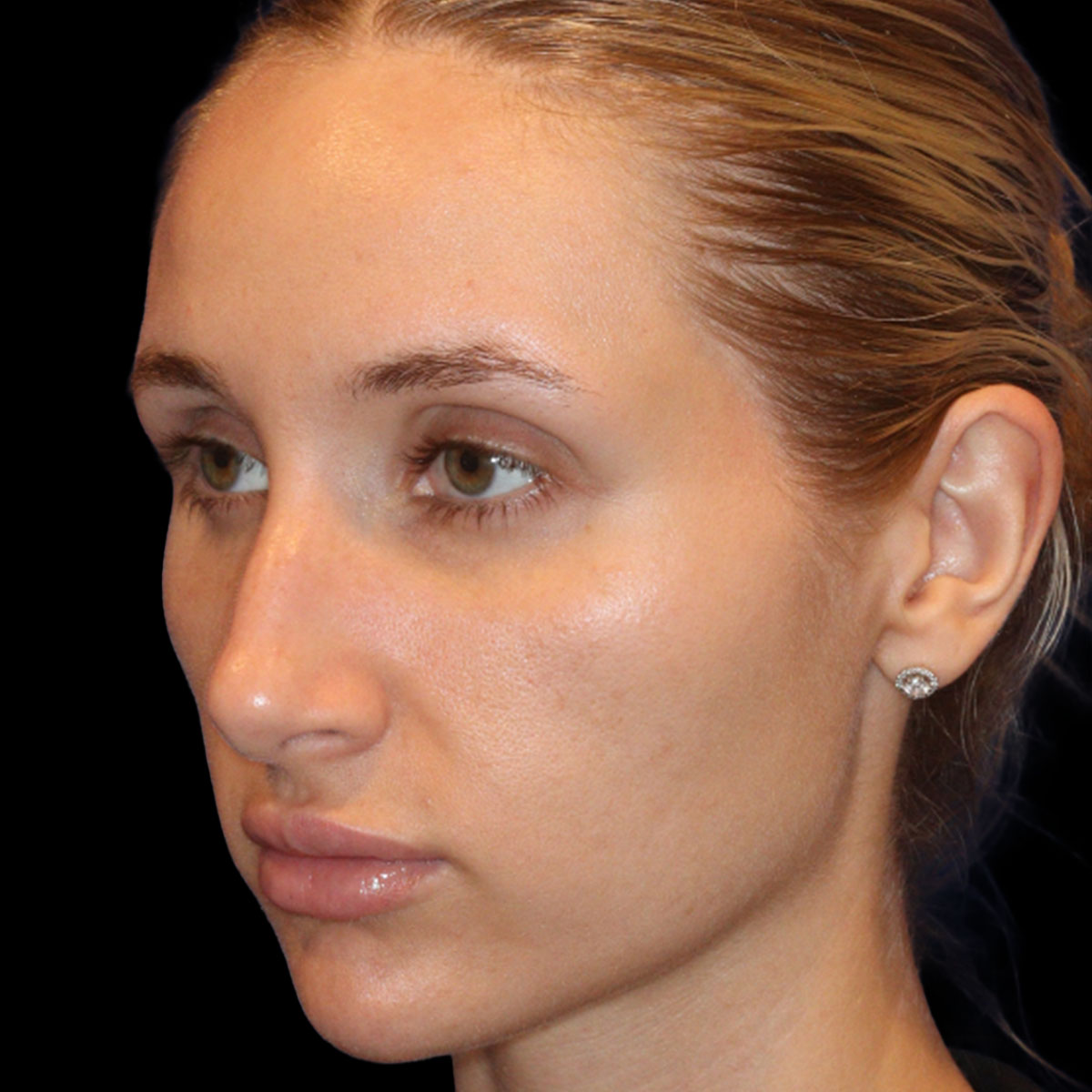
African American rhinoplasty focuses on achieving nasal refinement while maintaining the ethnic features that contribute to the unique appearance of each patient. During African American rhinoplasty, Dr. Levine can adjust concerns regarding the nasal base, the flare of the nostrils, the nasal bridge, or the nasal tip. (2) Addressing these structural characteristics while preserving one’s unique appearance requires a tailored surgical plan and the expertise of a surgeon like Dr. Levine.
Dr. Levine understands that preserving identity is just as important as achieving balance. For patients of African American descent, some common nasal characteristics include thicker nasal skin, weaker lower lateral cartilages, and a shorter nasal septum. As such, in each procedure, Dr. Levine evaluates the patient’s nasal skin thickness, cartilage strength, and surrounding facial features to develop a plan that meets both structural and aesthetic goals.
Dr. Levine can use cartilage grafting techniques to improve the projection of the nose via rib graft or ear grafting methods, as well as advanced suturing to refine and support the nose while maintaining natural proportions. Additionally, she may perform alarplasty to reduce the width or shape of the nostrils.
In some cases, functional concerns such as a deviated septum or nasal valve collapse may also be corrected. (3) This procedure is not about creating a standard nasal shape. It is about helping each patient find the most confident and comfortable version of themselves.
Ideal Candidates
This procedure is intended for African American individuals who are seeking changes to nasal structure or function while preserving their natural identity. Ideal candidates often:
- Have concerns about nasal width, flare, projection, or bridge height
- Desire a more defined nasal tip or narrower nostrils
- Experience functional issues such as impaired airflow or chronic nasal congestion
- Have reached full facial maturity
- Are in overall good health and nonsmoking, or willing to abstain from nicotine
- Have realistic expectations about subtle and balanced improvements
During your consultation, Dr. Levine will evaluate your goals, anatomy, and health history to determine whether or not you are an eligible candidate for surgery.
Personal Consultation
Each rhinoplasty begins with a personal consultation with Dr. Levine. During this one-on-one appointment, Dr. Levine will examine your nasal structure both internally and externally, review your health and surgical history, and talk through your concerns. She will also discuss the aesthetic goals you have for your nasal shape and how they align with your overall facial features.
Dr. Levine uses an approach that is rooted in collaboration and anatomical precision. She takes the time to explain which changes are achievable, how they will be performed, and what you can expect during your recovery. With all the information gathered during this consultation, Dr. Levine will create a personalized treatment plan tailored uniquely to your goals. She will also determine whether structural concerns, such as a deviated septum or valve collapse, are present and whether they should be corrected as part of your surgical plan.
To schedule your personal consultation with Dr. Levine, contact the office online or call (212) 517-9400.
Preparation
Once your treatment plan is finalized, Dr. Levine and her team will provide clear instructions to help you prepare. These instructions typically include:
- Avoiding certain blood-thinning medications and supplements
- Abstaining from nicotine and alcohol use for a specified period
- Arranging for reliable transportation and a responsible adult to assist with recovery
- Filling any prescriptions ahead of time for use after surgery
- Completing necessary lab work or pre-operative clearance when indicated
Dr. Levine and her staff will remain available to answer any questions you may have in the lead-up to your procedure. Proper preparation helps ensure a smoother surgical experience and recovery process.
Procedure
Dr. Levine performs African American rhinoplasty procedures in a certified surgical setting, typically using general anesthesia. Depending on the structural changes required, she may use an open or closed technique. In a closed rhinoplasty, all incisions are made inside the nostrils. In an open rhinoplasty, Dr. Levine places small incisions on the columella, or the strip of tissue between the nostrils, to gain access to the underlying cartilage and bone. (4) Although Dr. Levine is experienced in both techniques, she will ultimately choose which one is best for the patient based on their individual anatomy.
Dr. Levine uses techniques such as tip refinement, alar base reduction, and cartilage grafting to support the nose and define its shape. She may harvest grafts from the septum, ear, or other locations as needed. If structural issues are contributing to breathing difficulties, she will also address these by correcting septal deviation or reinforcing the nasal valves.
The entire procedure usually takes between two and four hours, depending on complexity. Dr. Levine’s experience and double board-certification make her a trusted choice for patients seeking technically advanced rhinoplasty procedures.
Recovery
Following your rhinoplasty, you will be given detailed instructions on how to manage swelling, congestion, and incision care. A nasal splint may be placed to support the new structure and will typically be removed within the first week.
Most patients return to work or light activities within 10 to 14 days, but residual swelling can persist for several weeks or months. This is especially true for patients who have thicker nasal skin, a common trait often shared by patients of African American descent. It may take up to one year for final refinement and definition to fully settle into place. Dr. Levine will schedule follow-up appointments to monitor your healing and ensure you are progressing as expected. These follow-up appointments are also essential, just in case there is a need for the use of Kenalog injections, which are vital for reducing inflammation and potential allergic reactions. She and her team are always available to answer questions or provide guidance as needed.
Results

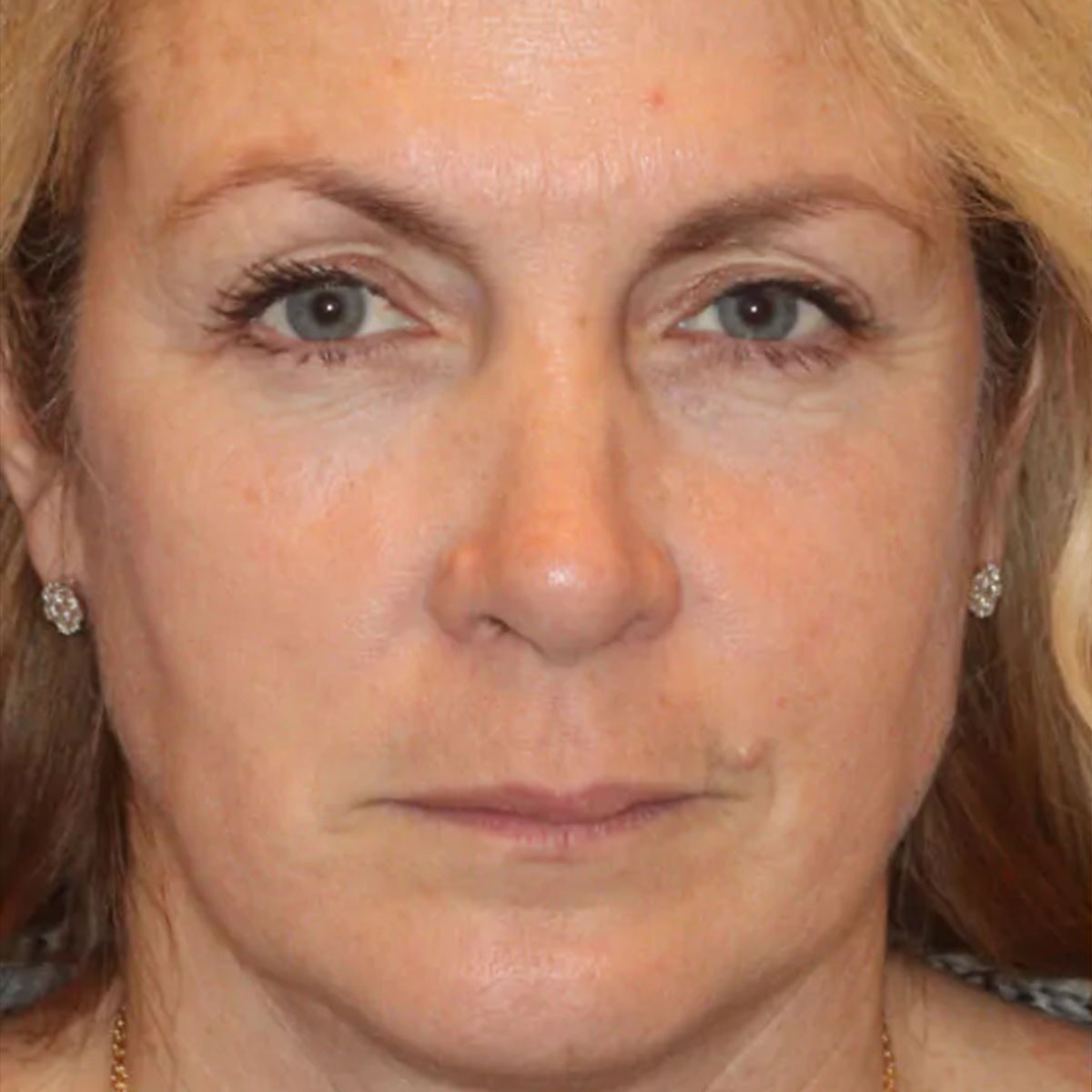
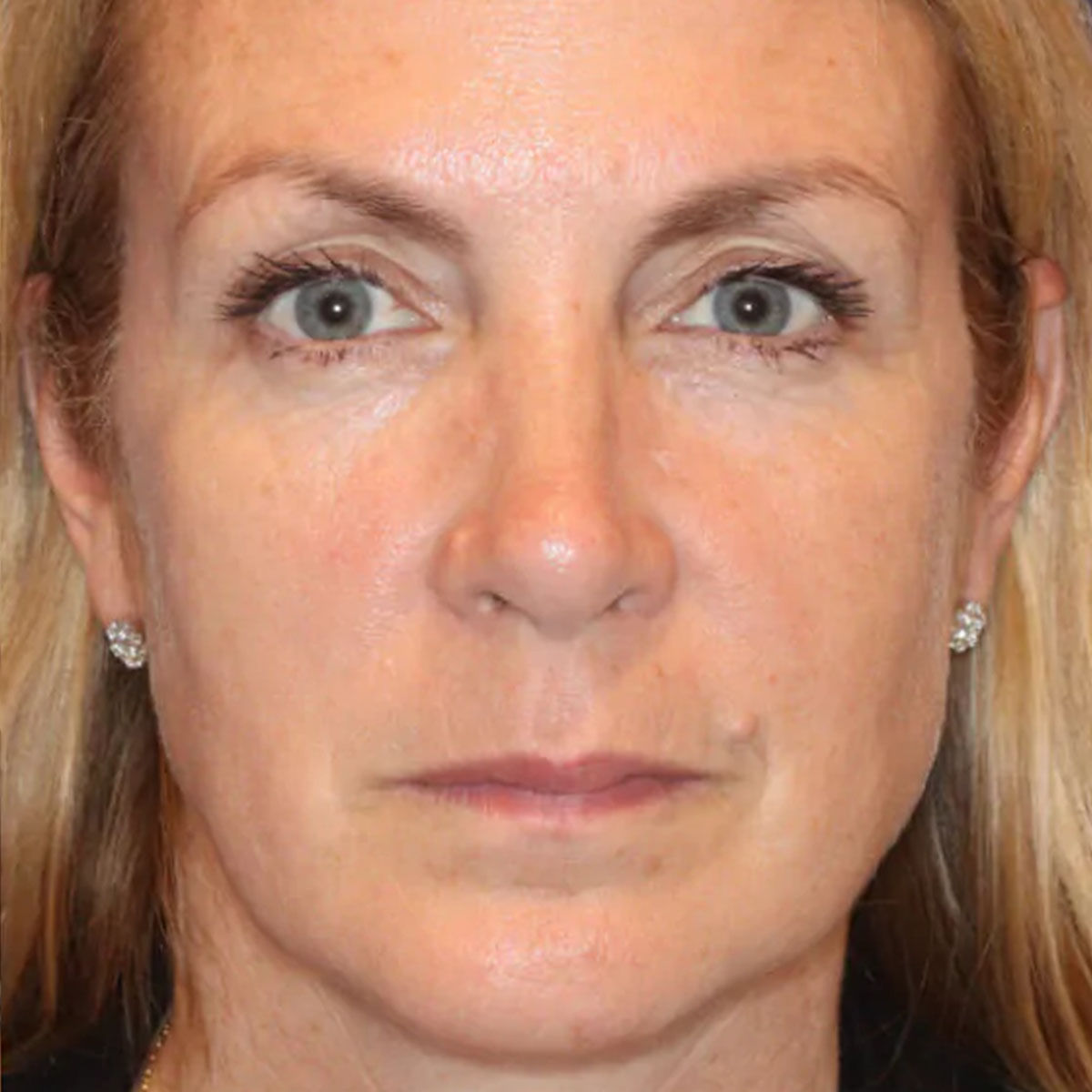
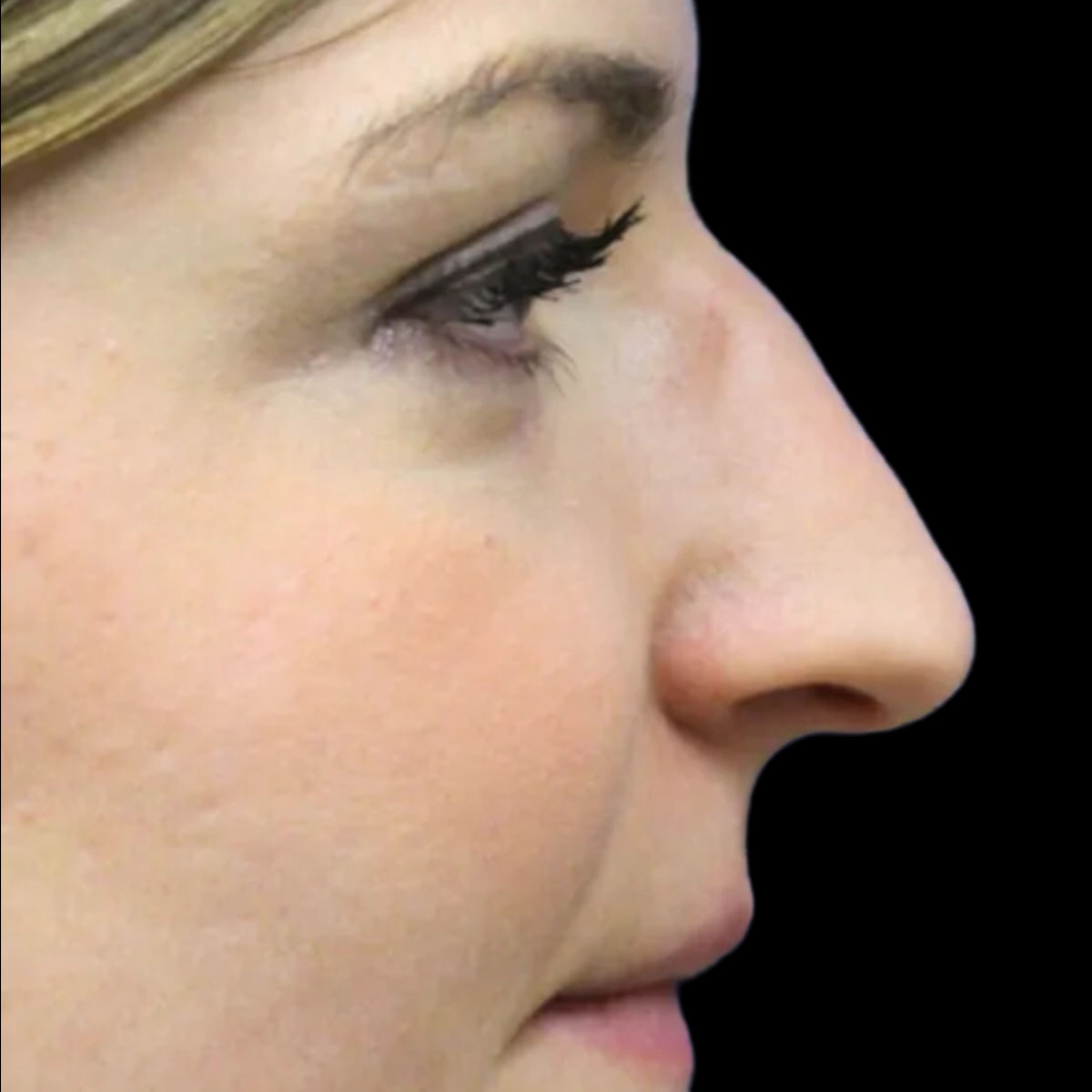
Dr. Levine’s African American rhinoplasty patients often see significant improvements in nasal shape, definition, and breathing function. Dr. Levine focuses on producing results that harmonize your facial features rather than overpowering them. She uses conservative reshaping methods and structural support techniques that ensure the results are both natural and long-lasting.
When breathing issues are present, many patients also notice increased airflow and reduced congestion after their rhinoplasty.
Corresponding and Combination Procedures
Some patients who visit Dr. Levine choose to pair their rhinoplasty with other treatments that support facial balance or enhance specific features. These procedures are often selected to build on the improvements created by rhinoplasty and to create a more harmonious appearance overall. Some of the procedures that can enhance the results of an African American rhinoplasty include:
Chin Augmentation
Patients with a recessed or under-projected chin may benefit from chin augmentation. Dr. Levine uses biocompatible implants to enhance chin projection and definition, which can help bring balance to the lower third of the face. When combined with rhinoplasty, chin augmentation can improve overall profile symmetry and create a more proportional appearance.
Buccal Fat Removal
For patients interested in a more sculpted facial shape, buccal fat removal may be an option. This procedure reduces fullness in the lower cheeks, helping to define the mid-face and jawline. When performed alongside rhinoplasty, it can draw attention to the newly refined nose and enhance the overall facial aesthetic.
Eyelid Surgery
Some patients with concerns about upper or lower eyelid skin may explore blepharoplasty. This procedure can be combined with rhinoplasty to address both the central and upper regions of the face in a single surgical plan. Dr. Levine performs this with a focus on subtle, natural improvement.
Cost of African American Rhinoplasty in New York City
The total cost of African American rhinoplasty depends on several factors, including the surgical plan, technique used, anesthesia, and whether additional aesthetic procedures are performed at the same time. After evaluating your needs during the consultation, Dr. Levine will provide a detailed cost estimate based on your treatment.
FAQ
What makes African American rhinoplasty different from standard rhinoplasty?
African American rhinoplasty addresses unique nasal features such as a low bridge, thick skin, and wider nostrils while preserving the patient’s ethnic identity. It uses techniques like tip refinement and cartilage grafting to achieve balance and support.
Will my nose still look natural after surgery?
Yes. Dr. Levine’s approach is focused on preserving your natural features while providing subtle, proportional enhancements. Her techniques are designed to respect the individuality of each patient.
How long does rhinoplasty take?
Most patients return to normal routines in about two weeks. Swelling decreases significantly within the first two months, but final results may take up to a year to fully appear.
Will I be under general anesthesia for rhinoplasty?
Yes. Dr. Levine typically uses general anesthesia for rhinoplasty to ensure patient comfort and optimal surgical access.
Can African American rhinoplasty correct breathing issues?
Yes. If functional problems are present, such as a deviated septum or collapsed nasal valves, Dr. Levine can address them during the same procedure.
Are rhinoplasty results permanent?
Yes. The structural changes made during rhinoplasty are long-lasting and do not require maintenance. However, your nose will continue to age naturally along with the rest of your face, and subtle changes in skin thickness and elasticity can occur over the years.
How do I know if I am a good candidate for African American rhinoplasty?
The best way to find out is through a consultation. Dr. Levine will assess your goals, anatomy, and health status to determine your eligibility.
References
- Momoh A, Hatef D, Griffin A, Brissett A. Rhinoplasty: The African American Patient. Seminars in Plastic Surgery. 2009;23(03):223-231. doi:https://doi.org/10.1055/s-0029-1224802
- Stucker FJ, Lian T, Sanders K. African American rhinoplasty. Facial plastic surgery clinics of North America. 2005;13(1):65-72. doi:https://doi.org/10.1016/j.fsc.2004.04.010
- Altidor A, Ferri FA, Fadi Bakhos, Mascaro-Pankova A. Functional Rhinoplasty. Cureus. Published online September 26, 2023. doi:https://doi.org/10.7759/cureus.45993
- Gupta R, John J, Ranganathan N, et al. Outcomes of Closed versus Open Rhinoplasty: A Systematic Review. Archives of Plastic Surgery. 2022;49(05):569-579. doi:https://doi.org/10.1055/s-0042-1756315